
 Authorization
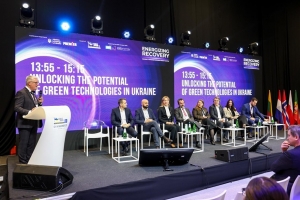
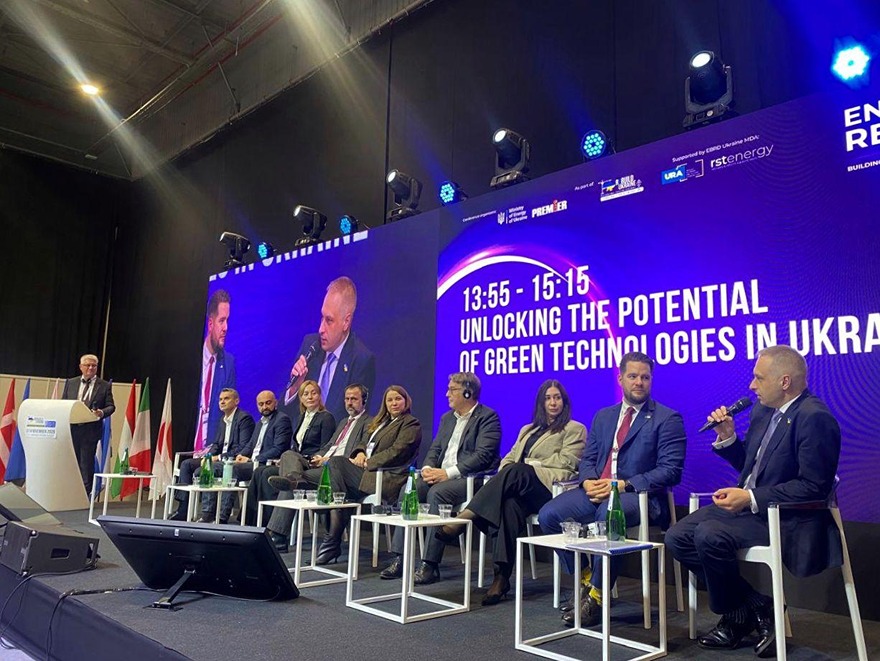
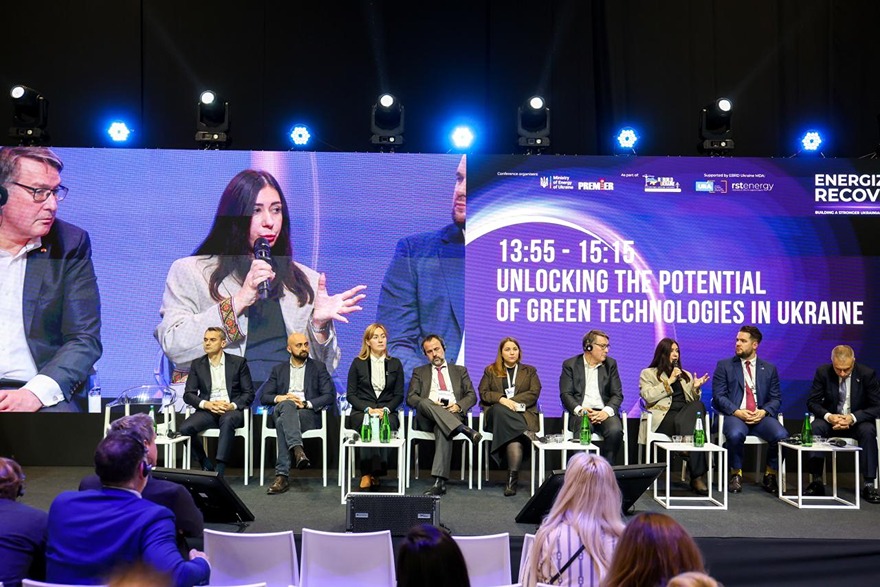
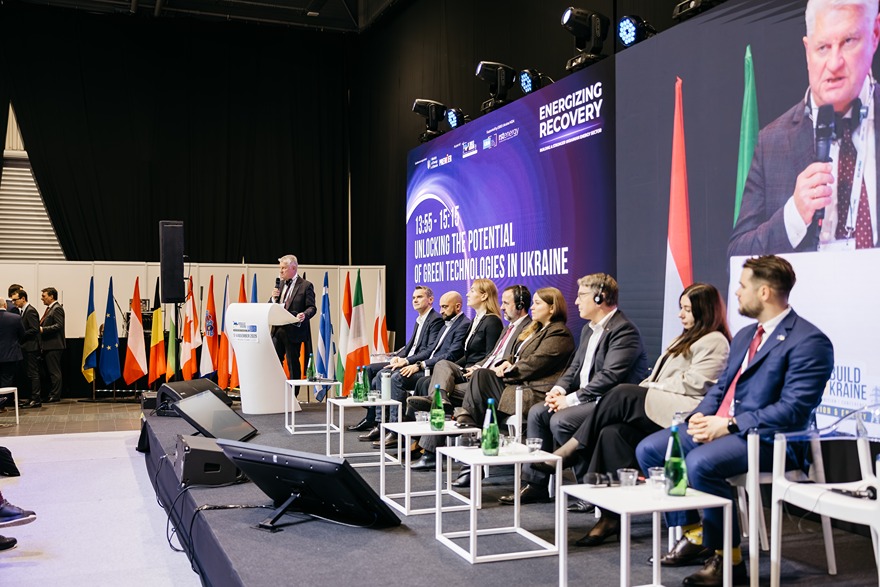
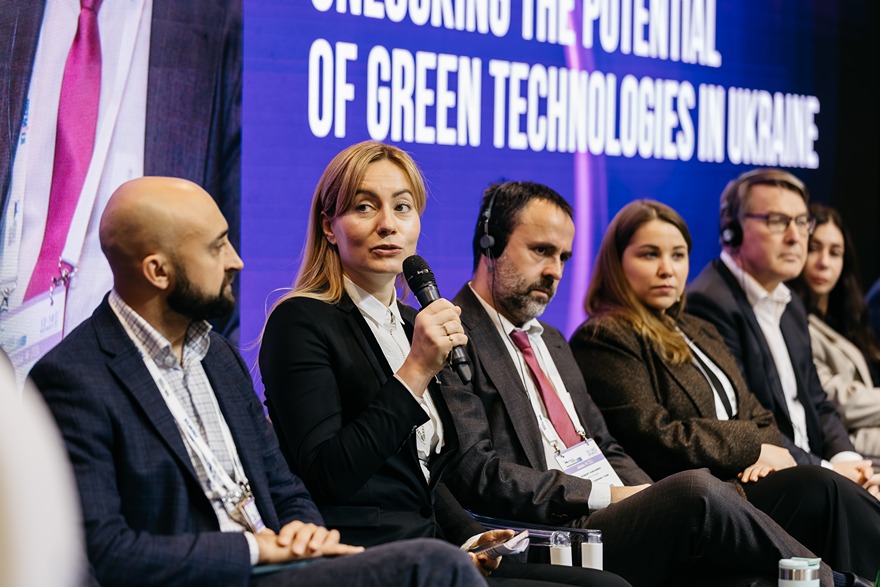
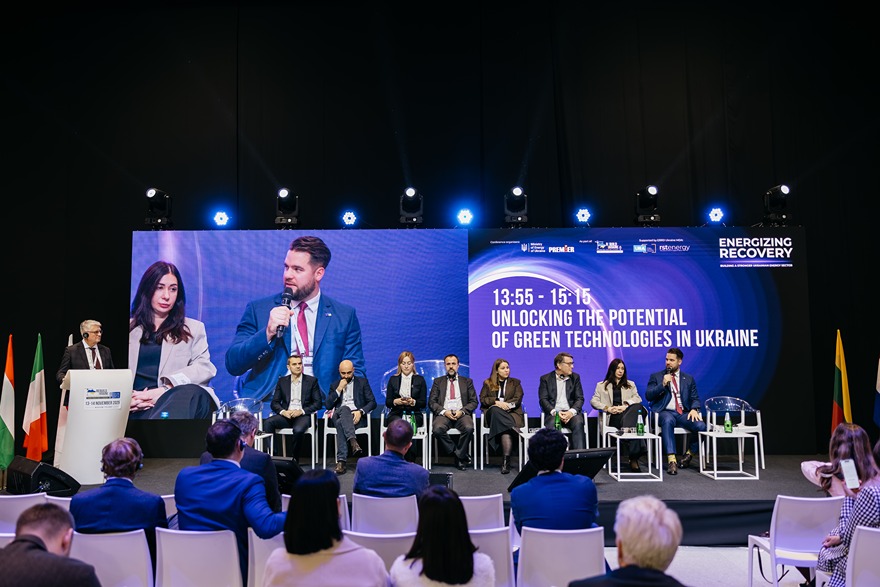
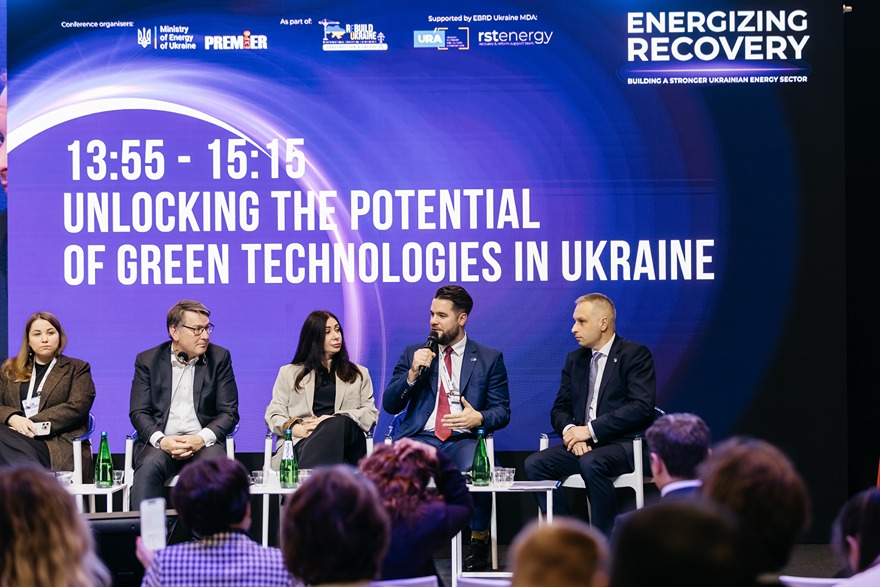
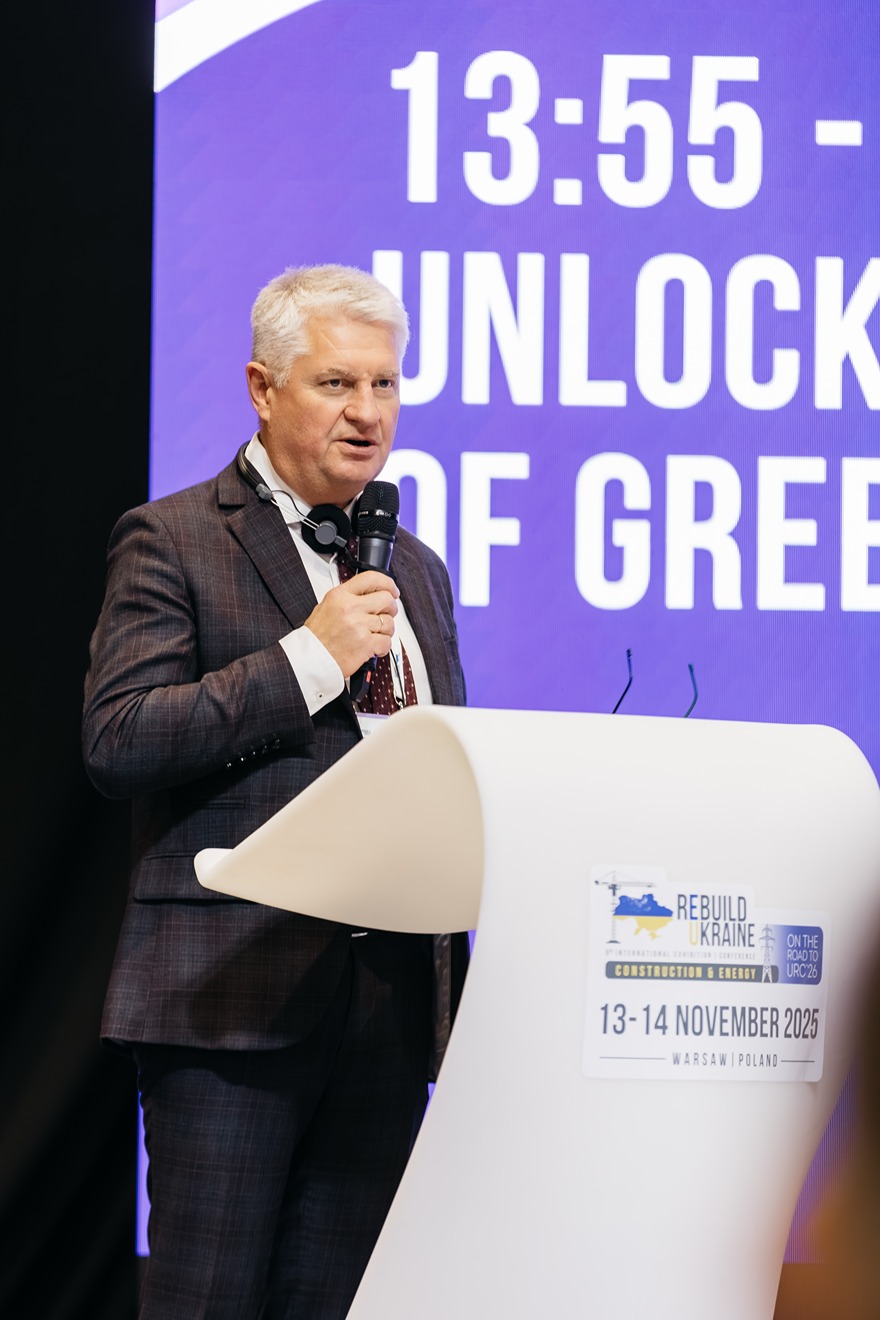
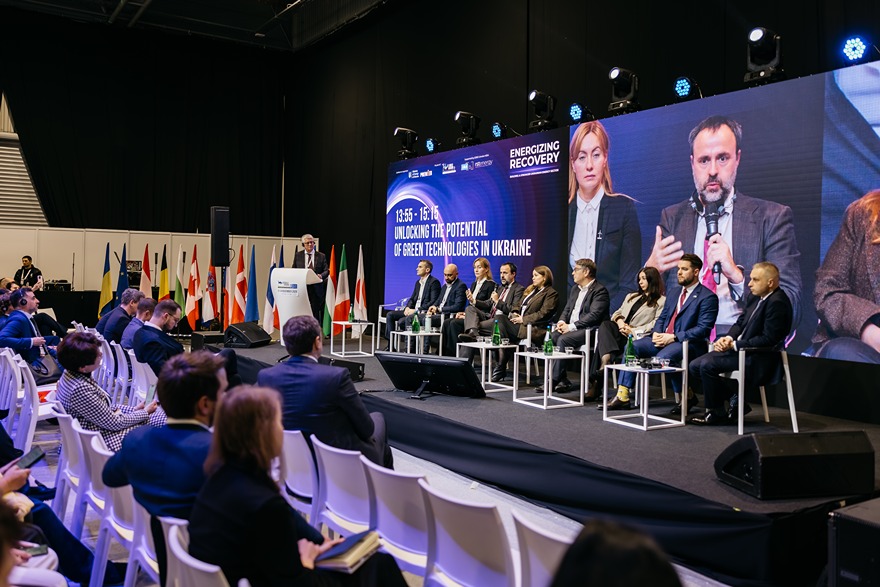
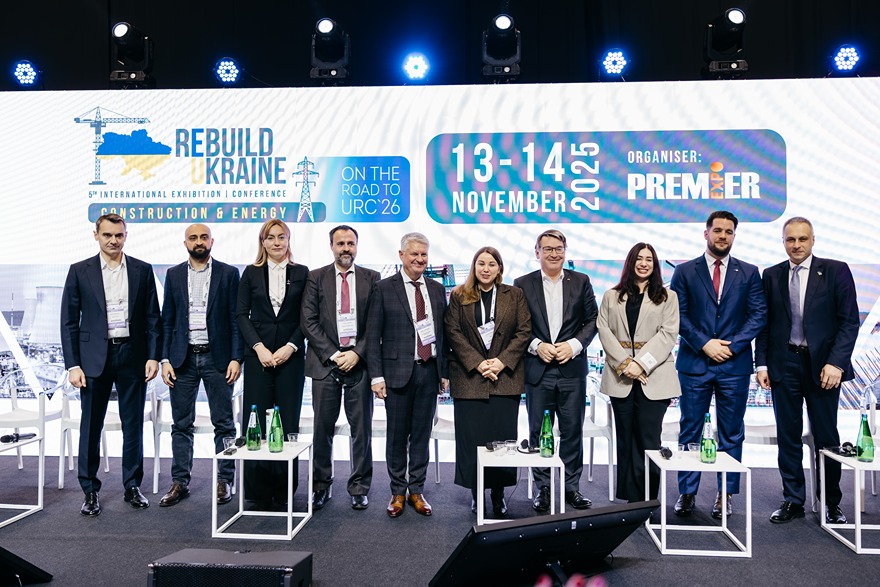
After years of profound challenges and losses, Ukraine’s energy sector is gradually shifting from a policy of survival to a policy of recovery. Despite the full-scale war, Ukrainian companies continue to develop wind power capacity, deploy solar technologies and build battery energy storage systems (BESS), laying the foundations for the country’s future energy independence. On 14 November 2025 in Warsaw, Poland, within the framework of ReBuild Ukraine 2025, a dedicated panel discussion titled “Unlocking the Potential of Green Technologies in Ukraine” brought together leading representatives of government, business, international institutions and investors. The participants discussed concrete steps needed to build a modern, transparent and competitive renewable energy market in Ukraine.
The discussion was moderated by Andriy Konechenkov, Chairman of the UWEA Board, which also acted as an information partner of the event.
The panel focused on systemic issues that will shape both Ukraine’s post-war recovery and its broader energy transition.
Wind Power – an Effective Tool for Ukraine’s Recovery
Today, the total installed capacity of wind power plants in Ukraine stands at 1.95 GW. By the end of 2025, an additional 200+ MW of new wind capacity is expected to be added. “Almost 50% of Ukraine’s installed wind capacity has been financed by international investors. This reflects a high level of trust in the sector and effective cooperation between the state, business and partners from the EU,” noted Andriy Konechenkov in his opening remarks.
Public Policy and the Strategic Role of Renewables
Roman Andarak, Deputy Minister of Energy of Ukraine, stressed that renewable energy must become a fundamental pillar of Ukraine’s post-war reconstruction and energy security: “In 2025 alone, around 0.8 GW of new generation capacity has already been commissioned. We receive substantial support from international partners, in particular through the Ukraine Energy Support Fund: about 1.5 GW of projects worth more than EUR 647 million have been financed. This includes both implemented projects and those where work has just started.”
Bert van der Lingen, Vice President of the Dutch wind association NedZero, underlined the importance of decentralising the energy system: “Unlocking the potential of green energy is a key element of transforming Ukraine’s energy sector. A decentralised system means greater resilience to attacks and crises. Rebuilding on a ‘build back better’ principle gives Ukraine the opportunity to create a modern, robust and EU-integrated energy system from the outset. With the support of the Dutch government, NedZero is committed to contributing to these efforts.”
Olha Savchenko, Chair of the Legal Committee of UWEA, outlined the key market mechanisms introduced to accelerate renewable energy development in Ukraine: simplified allocation and zoning of land plots, capacity booking, the cable-pooling mechanism and new tools for the rapid deployment of BESS and grid infrastructure. She stressed that Ukraine must systematically implement its national energy plans, as they contain the calculated milestones for restoring the power system, and highlighted the importance of including equipment for new wind farms in the list of technologies eligible for VAT and customs duty exemptions. “The future of Ukraine’s energy sector lies in decentralisation, self-sufficiency, the development of energy communities and strong public–private partnerships,” she concluded.
Market-Based Support: From Feed-in Tariffs to Auctions and Corporate PPAs
Participants agreed that Ukraine needs to move to a mature, market-based model in which key roles are played by renewable energy auctions, corporate power purchase agreements (PPAs) and guarantees of origin.
Anzhela Pradun, Managing Director of Vestas Ukraine, shared European experience with auction schemes and highlighted three core principles: transparency, regularity and financial predictability. “We already see market demand for new capacity exceeding the volumes currently allocated for auctions. This is why expanding competition and increasing auction quotas is essential. To address existing challenges, Ukraine should adopt flexible and fair support mechanisms: guaranteed tariffs for winning projects, CfDs, corporate PPAs, guarantees of origin, as well as targeted incentives for regions with lower wind potential. These solutions will pave the way for a more decentralized, resilient, and predictable energy system,” recommended Ms. Pradun.
Aron Kerpel-Fronius, Energy Adviser at the Delegation of the European Commission to Ukraine, emphasised the importance of aligning Ukraine’s power market with the EU and continuing reforms: “Ukraine has made substantial progress in adopting and implementing the EU energy acquis. At the same time, important tasks remain — strengthening the independence of the regulator, adopting the Electricity Market Integration Package and gradually phasing out price-distorting measures such as wholesale caps and excessive PSOs. Combined with risk-mitigation instruments under the Ukraine Investment Framework, these steps can unlock significant volumes of renewable energy investment.”
Industrial Parks and Local Manufacturing – New Growth Points
A separate part of the discussion was devoted to the potential of industrial parks and the development of local manufacturing of green technologies.
Andriy Serhiienko, First Deputy General Director of Wind Parks of Ukraine and UWEA Board member, presented the case of the Friendly Wind Technologies industrial park, which has become an example of successful relocation of wind equipment manufacturing from Kramatorsk to Zakarpattia region: “Our strategy is to expand localisation of wind equipment manufacturing in Ukraine, integrate into international supply chains with leading OEMs and accelerate the growth of the country’s wind sector by 2030. Industrial parks can become growth points both for industry and for renewables.”
Robert Kirchner, Member of the Management Board at Berlin Economics, presented key findings of a study on the potential of green value chains in Ukraine: “Our analysis shows that Ukraine’s wind equipment manufacturing sector can be cost-competitive compared to EU producers. This implies domestic value creation, new jobs, export revenues and additional tax income. Crucial preconditions are ambitious but realistic domestic deployment targets for renewables and steady progress in Ukraine’s EU integration. Addressing war-related investment risks and labour market challenges will enable Ukraine not only to meet its own needs, but also to become a supplier of wind power equipment to the EU.”
Energy Storage – the Flexibility Backbone of Ukraine’s Power System
Serhii Shakalov, Director of KNESS GROUP, and Polina Korchak, Head of Economics and Finance at DTEK Renewables, shared practical examples of deploying energy storage systems in Ukraine.
“Ukraine’s energy system is steadily moving toward decentralization and energy independence. Renewables and energy storage systems are becoming its key pillars. This year alone, KNESS commissioned over 100 MWh of storage capacity now operating to support the grid. Energy storage is a universal tool with enormous potential - from stabilizing the system to accelerating the green transition,” noted Serhii Shakalov.
In 2025, DTEK Renewables commissioned 200 MW of BESS, which has become the largest energy storage project in Eastern Europe. “Ukraine urgently needs new generation capacity, including from renewable sources. Such projects are only possible with external financing. We see strong willingness from investors and financial institutions to work with Ukraine, but the key challenge remains the offtake structure. The launch of renewable auctions and the creation of a price guarantee fund could become the mechanisms that remove a significant part of these risks,” said Polina Korchak.
Investment, Guarantees and Financial Instruments
Key international partners — the European Commission, the World Bank and the EBRD — are working on launching risk-mitigation and price-guarantee mechanisms for renewable energy projects in Ukraine. These instruments have the potential to attract a new wave of investment and significantly accelerate the modernisation of Ukraine’s energy system — particularly in grids, renewable generation and storage.
Ukraine 2030: Green, Resilient and Integrated into the EU
At the end of the discussion, participants outlined a shared vision: by 2030, Ukraine has every opportunity to become a regional leader in green energy in Central and Eastern Europe.
To achieve this, Ukraine needs to:
The key takeaway from the panel was clear: renewable energy is not just a technology — it is a strategy for national resilience and economic security.
UWEA extends its gratitude to all panel participants, the organisers of ReBuild Ukraine 2025 and international partners for a constructive dialogue and joint efforts to shape the future of green energy in Ukraine.

 Home
Home