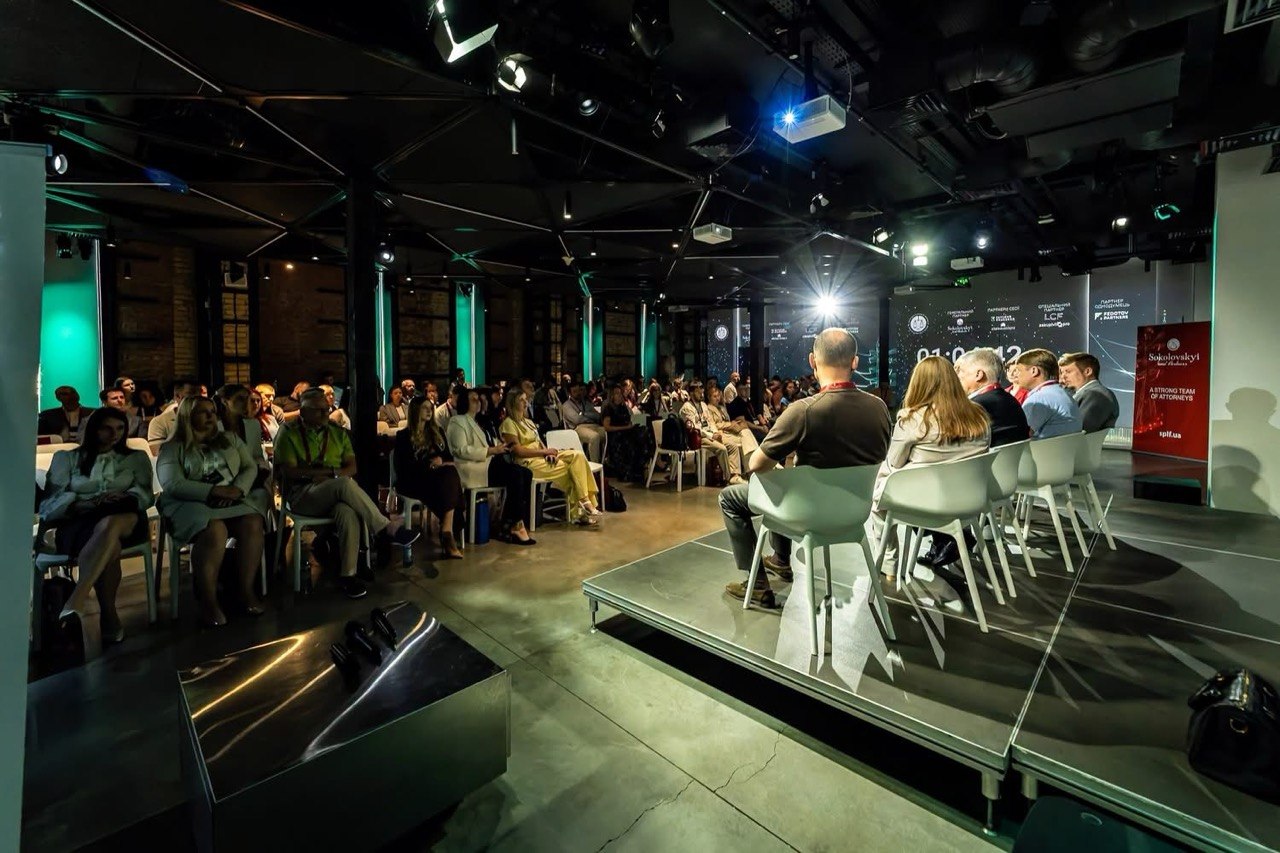
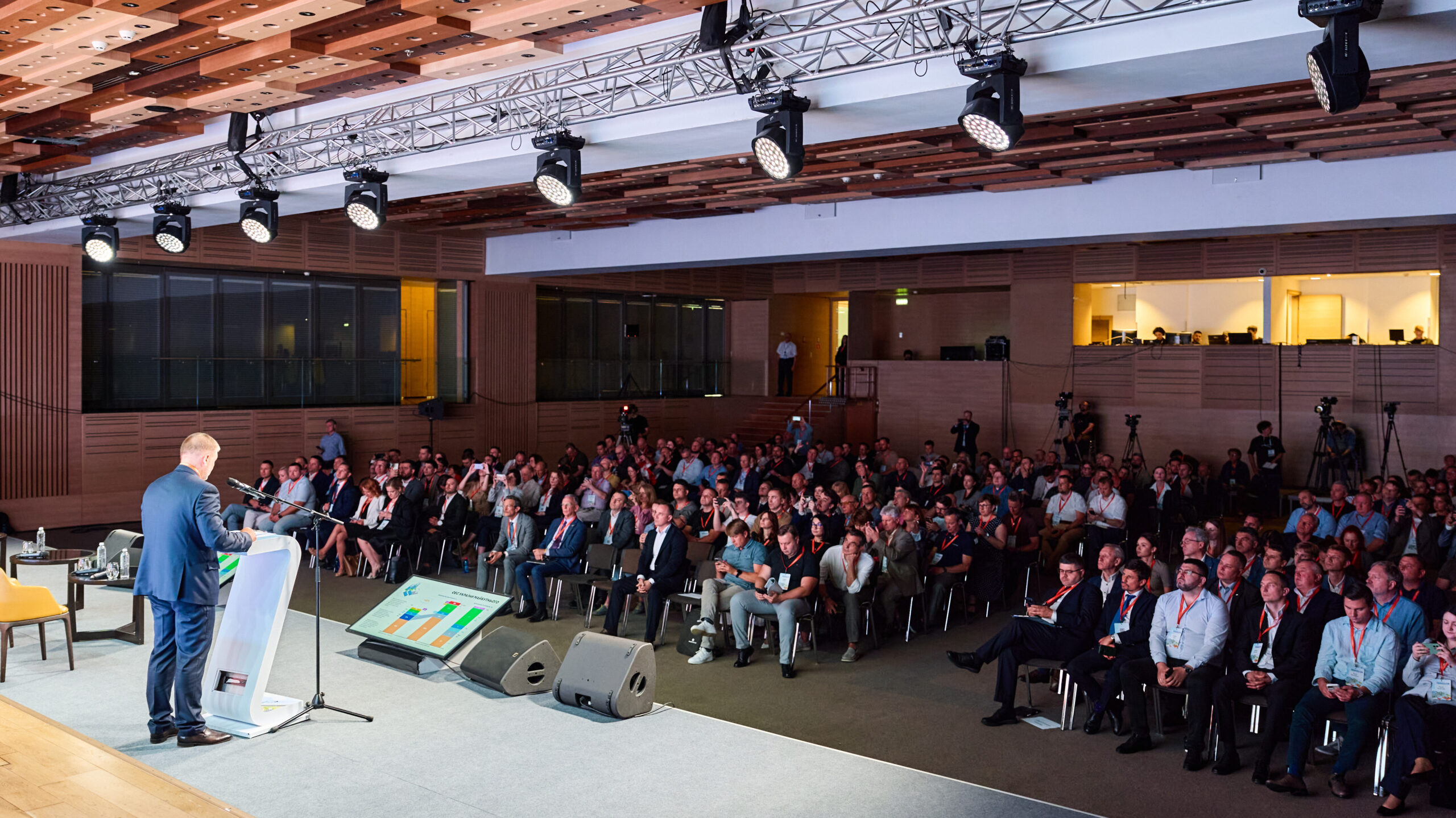
On 24 July 2026, the VI Conference on Energy Law was held in Kyiv – an annual event of the Ukrainian Bar Association (UBA), which brought together lawyers, representatives of energy businesses, the public sector, investors, and international partners for the sixth time.
This year’s conference focused on practical application of the recent legislative changes, regulatory decisions that will determine Ukraine’s energy sector development in 2026, and legal tools businesses need to operate, invest, and protect their interests. The event was opened by UBA Vice President Tetiana Lysovets and First Deputy Minister of Energy of Ukraine Artem Nekrasov.
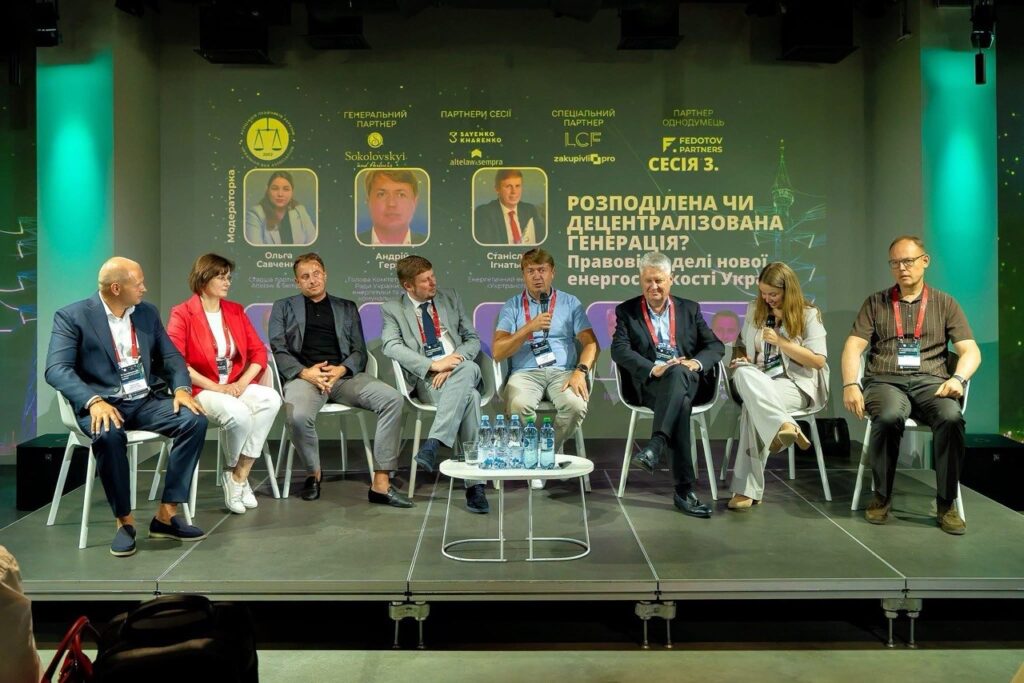
Session 3, “Distributed or decentralized generation? Legal models of Ukraine’s new energy resilience”, became central to the RES topic. Participants discussed what kind of generation and consumption system Ukraine has been building, the issues of microgrids and energy islands, the use of in-house generation for self-supply and investment, as well as support for domestic manufacturers of energy equipment.
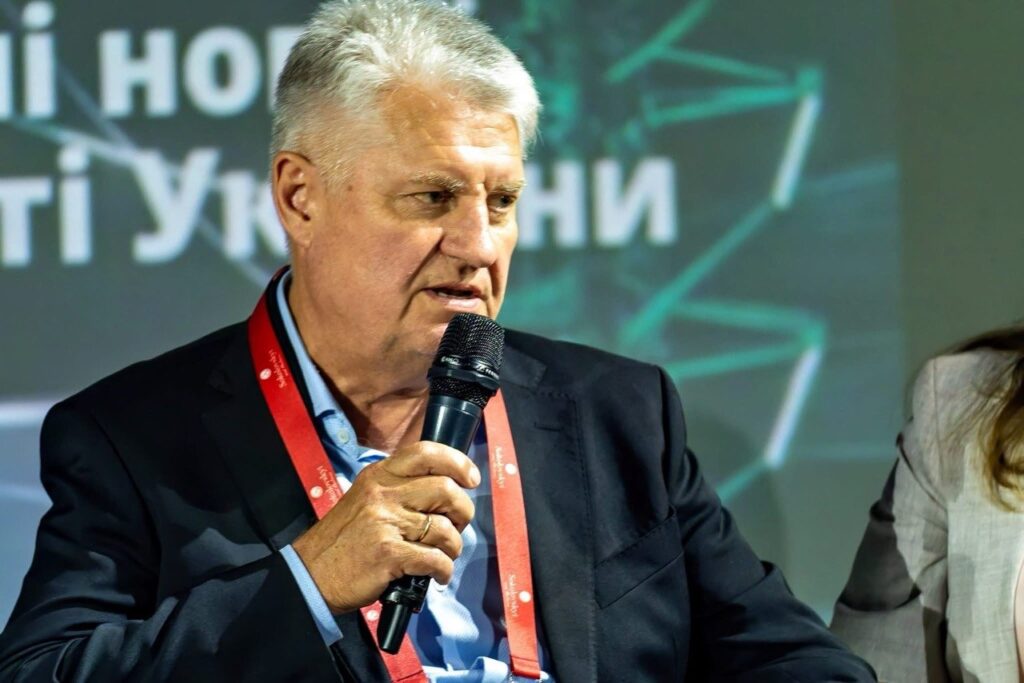
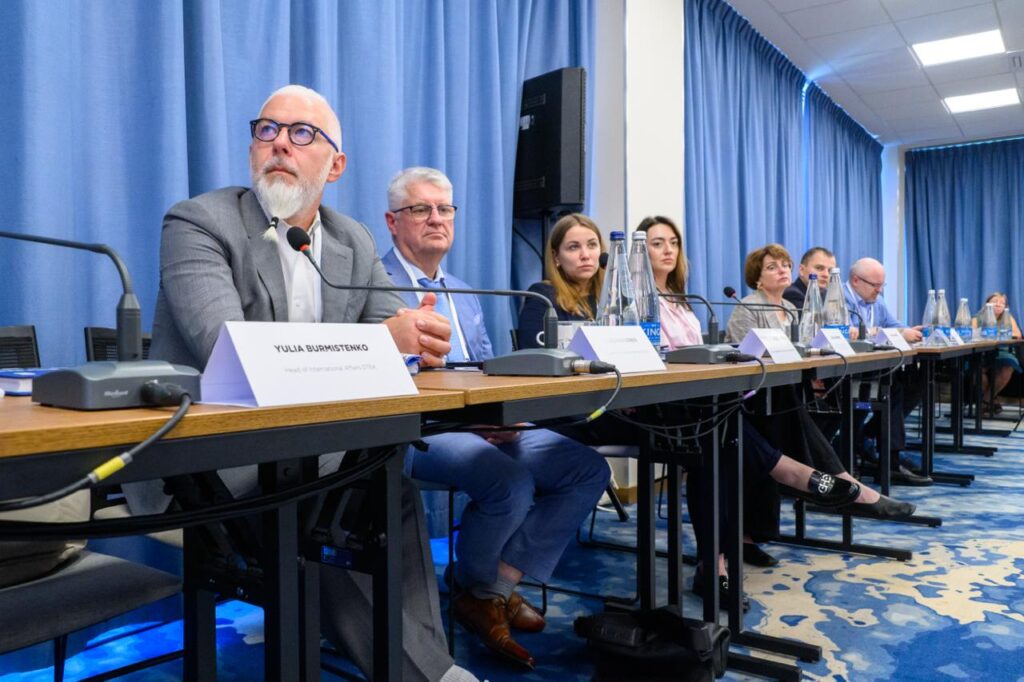
In this specific session, the Ukrainian Wind Energy Association was represented by the Chairman of the UWEA Board, Andriy Konechenkov. He outlined both global and Ukrainian wind energy trends, noting that new projects are already being implemented in 15 regions of Ukraine. Additionally, he mentioned that a “green” auction for 700 MW of wind generation is anticipated to take place in the autumn; the development of these projects is expected to occur alongside the implementation of energy storage systems.
“A stable energy system begins with stable rules. Wind energy is already providing Ukraine with predictable generation today, and a clear and consistent regulatory framework transforms this potential into real megawatts — in large projects, in distributed generation, and in local community energy systems,” noted Andriy Konechenkov, Chairman of the UWEA Board.
Along with him, the Chairman of the Verkhovna Rada Committee on Energy and Housing and Utilities Services, Andrii Herus, and representatives of ASRMG, “Epicenter K”, IMEPOWER, and Bargen spoke at the session, which was moderated by Olga Savchenko, Senior Partner at Altelaw & Sempra and Head of the UWEA Legal Committee.
UWEA’s participation in such platforms is part of the association’s systematic work to ensure that the interests of the wind energy sector are taken into account in the regulatory decisions that will shape the market for the next decade.
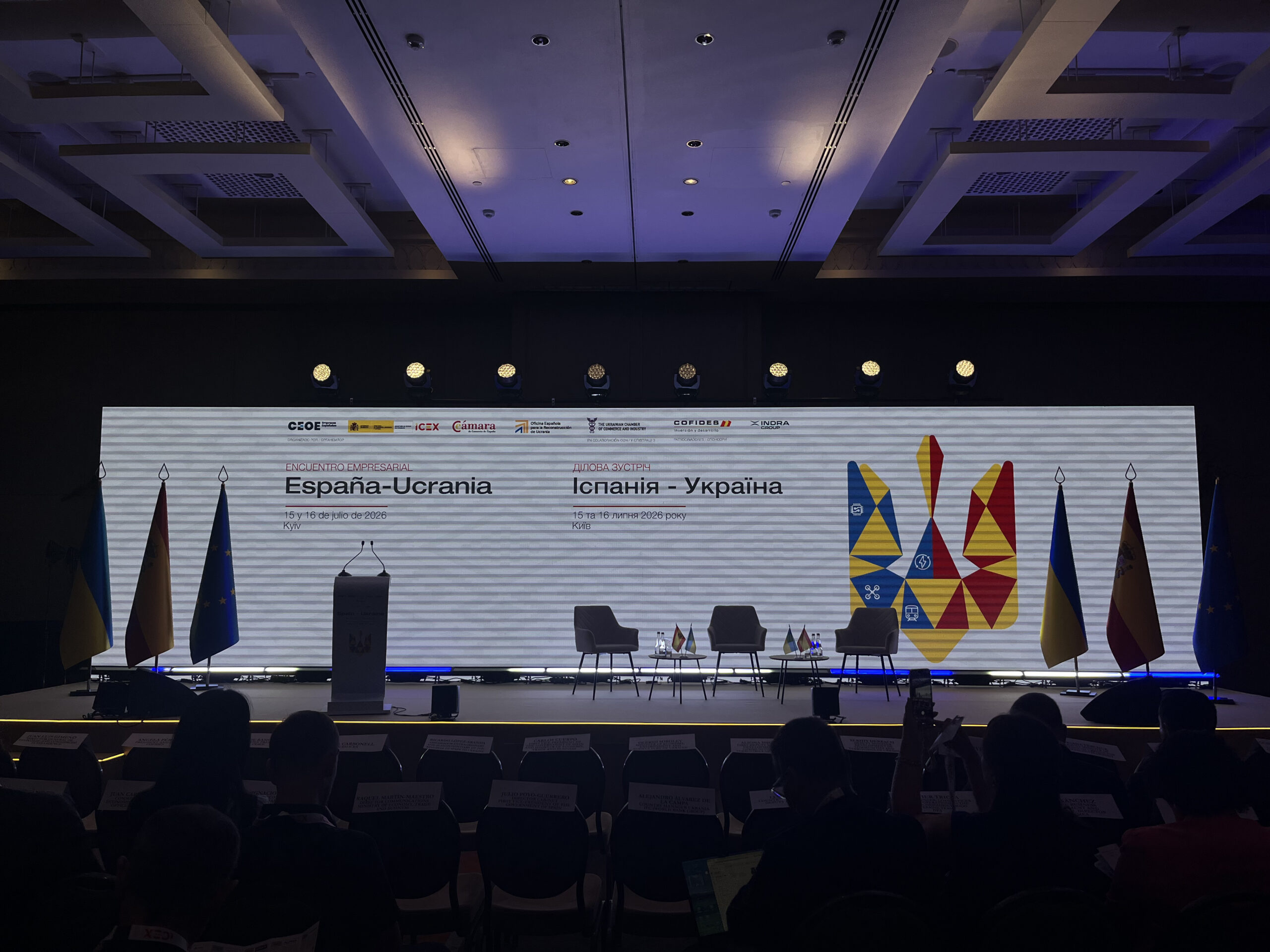
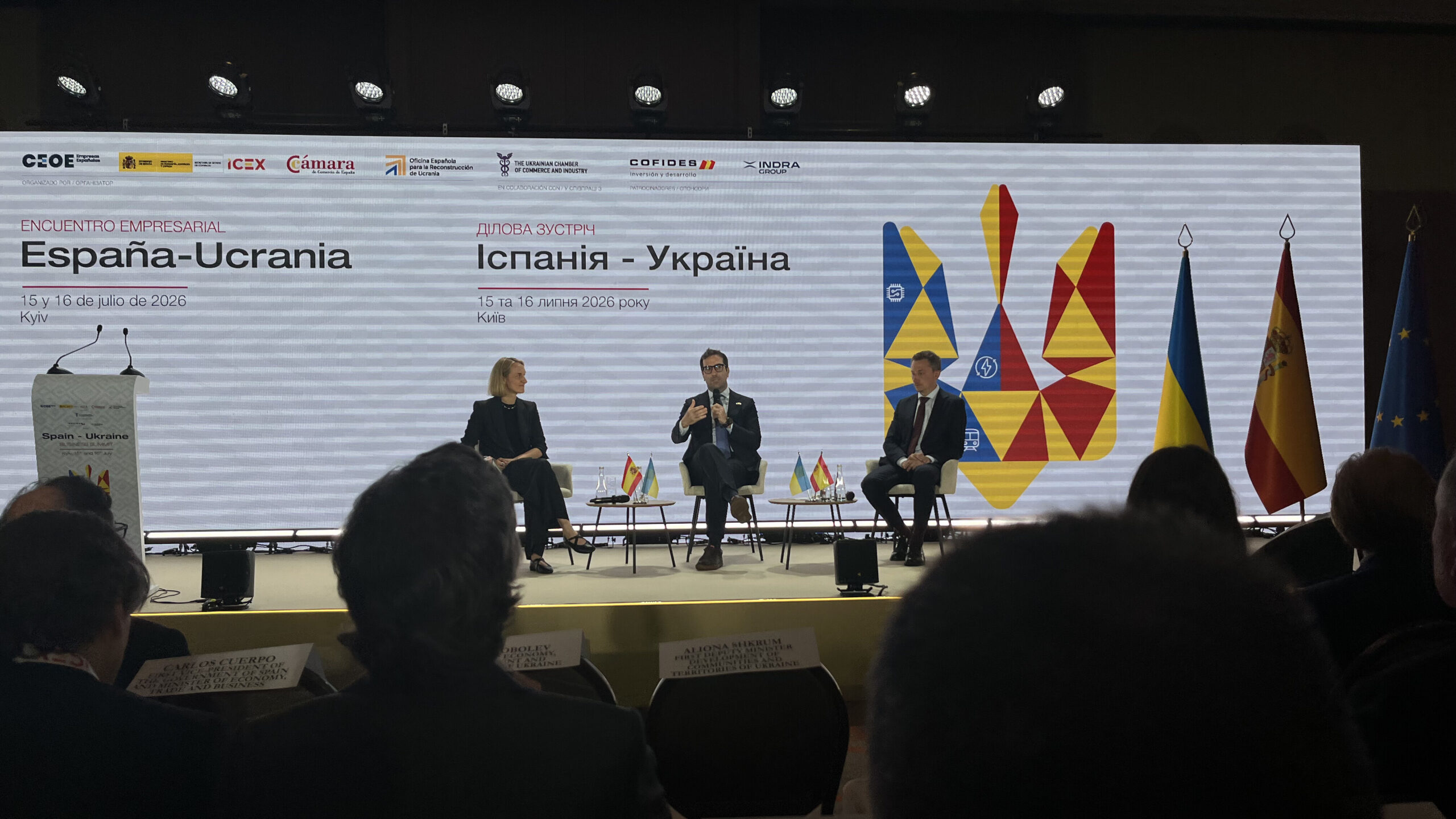
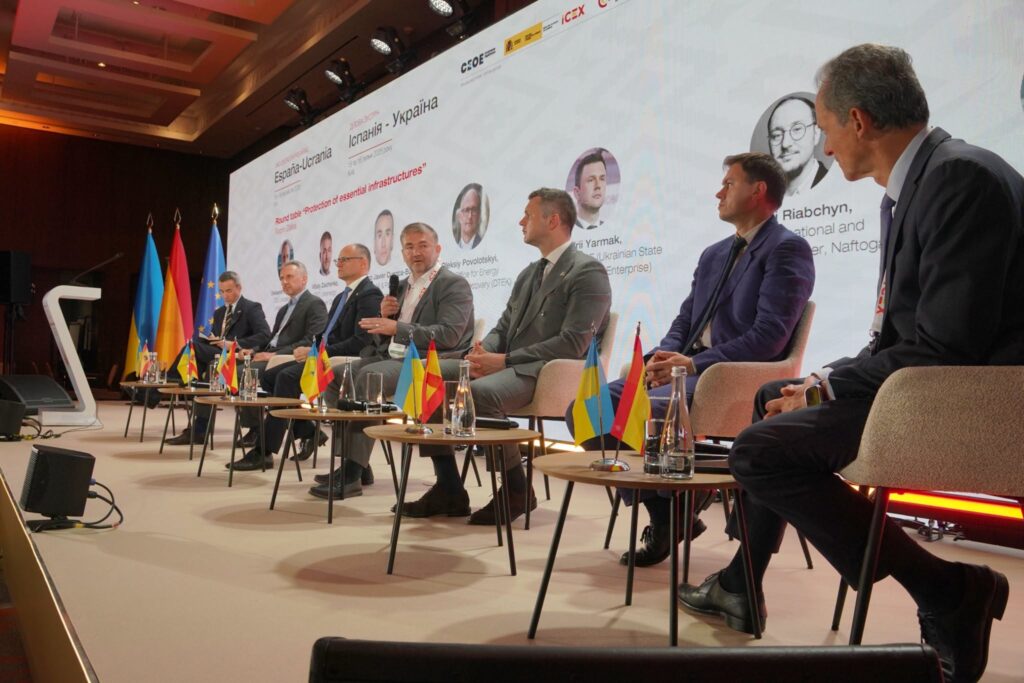
On 15–16 July 2026, the Spain–Ukraine Business Summit took place in Kyiv, serving as a strategic platform for coordinating efforts in investment, innovation, and Ukraine’s post-war reconstruction. The event brought together government officials and business leaders from both countries to discuss priority actions in the energy, transport, and digitalization sectors.
The Summit was opened by Oleksii Sobolev, Ukraine’s Minister of Economy, Environment and Agriculture, and Carlos Cuerpo, First Vice-President of the Government of Spain and Minister of Economy, Trade and Business.
“When we talk about reconstruction, we are not only talking about rebuilding what has been destroyed. We are talking about economic growth. We are talking about future prosperity. As I understand it, the level of interest from Spanish companies this time is unprecedented. And that is a very good sign,” Carlos Cuerpo noted.
Accompanying Spain’s Deputy Prime Minister was a delegation of 50 Spanish companies. Throughout the two-day programme, government representatives and business executives discussed investment projects and the participation of Spanish companies in Ukraine’s reconstruction efforts.
Member companies of the Ukrainian Wind Energy Association (UWEA) actively contributed to the Summit’s agenda. Representatives of the wind energy sector participated in focused B2B and B2G meetings with their Spanish counterparts. These direct discussions addressed practical issues ranging from securing financial instruments for the development of decentralized power generation to identifying technology partners for future projects.
Ukrainian Wind Energy Association emphasizes that strengthening bilateral cooperation will facilitate the transfer of Spain’s advanced expertise and investment, accelerating the deployment of wind energy technologies and modern energy storage systems in Ukraine.
Ukrainian Wind Energy Association extends its sincere gratitude to the Spanish Bureau for Ukraine Rebuilding and the Embassy of Spain in Ukraine for the invitation and for organizing such an important event.
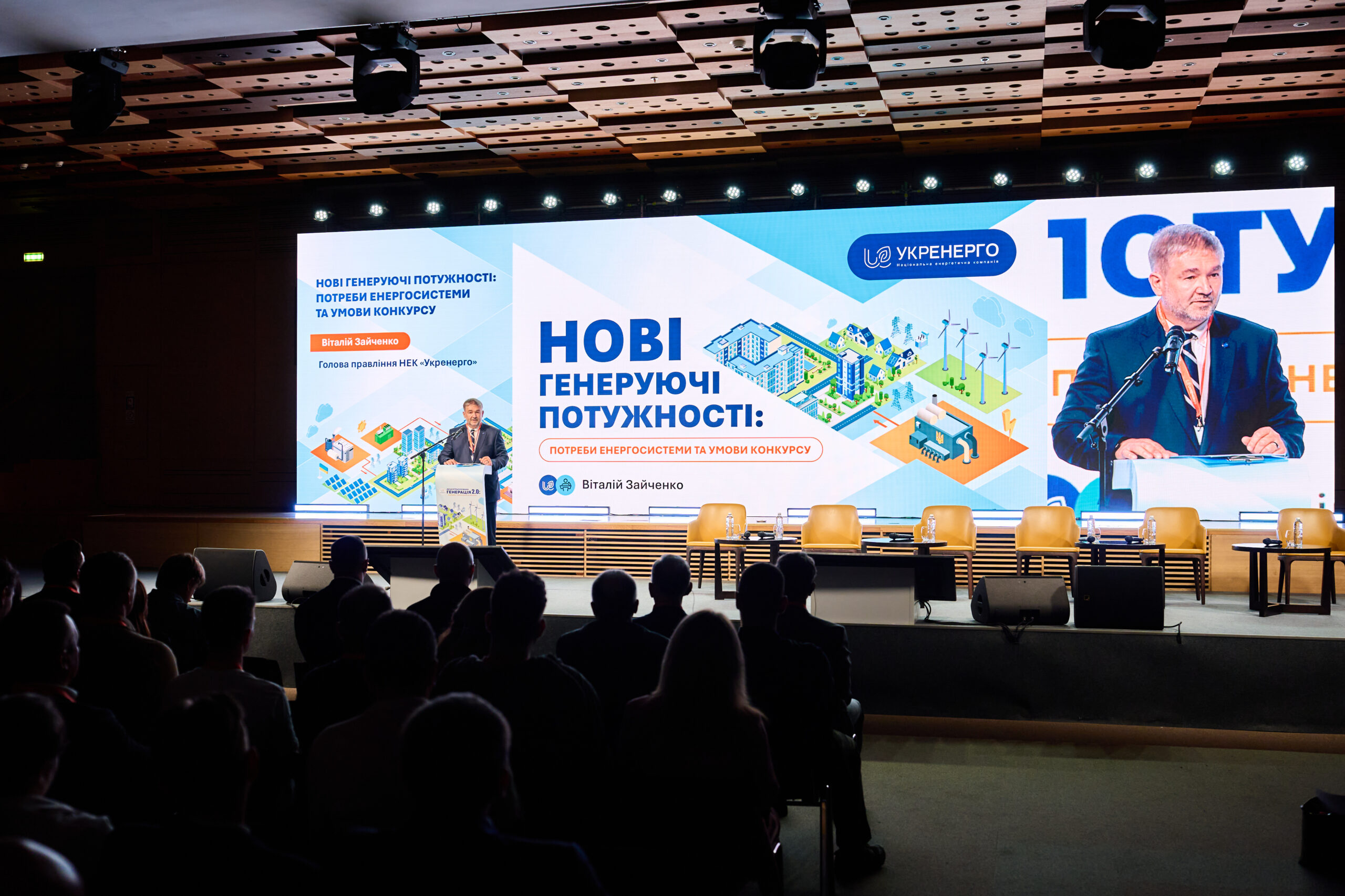
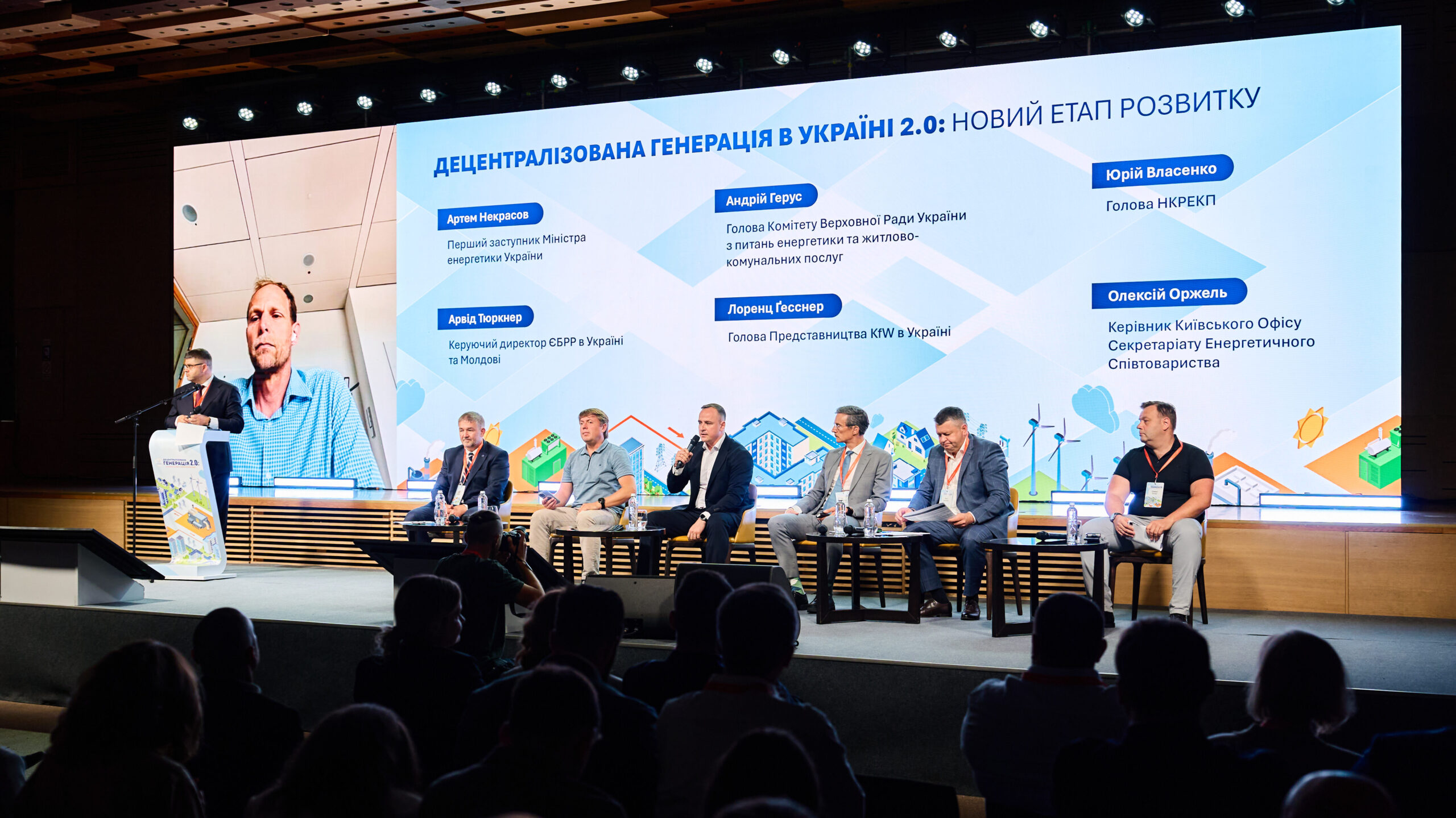
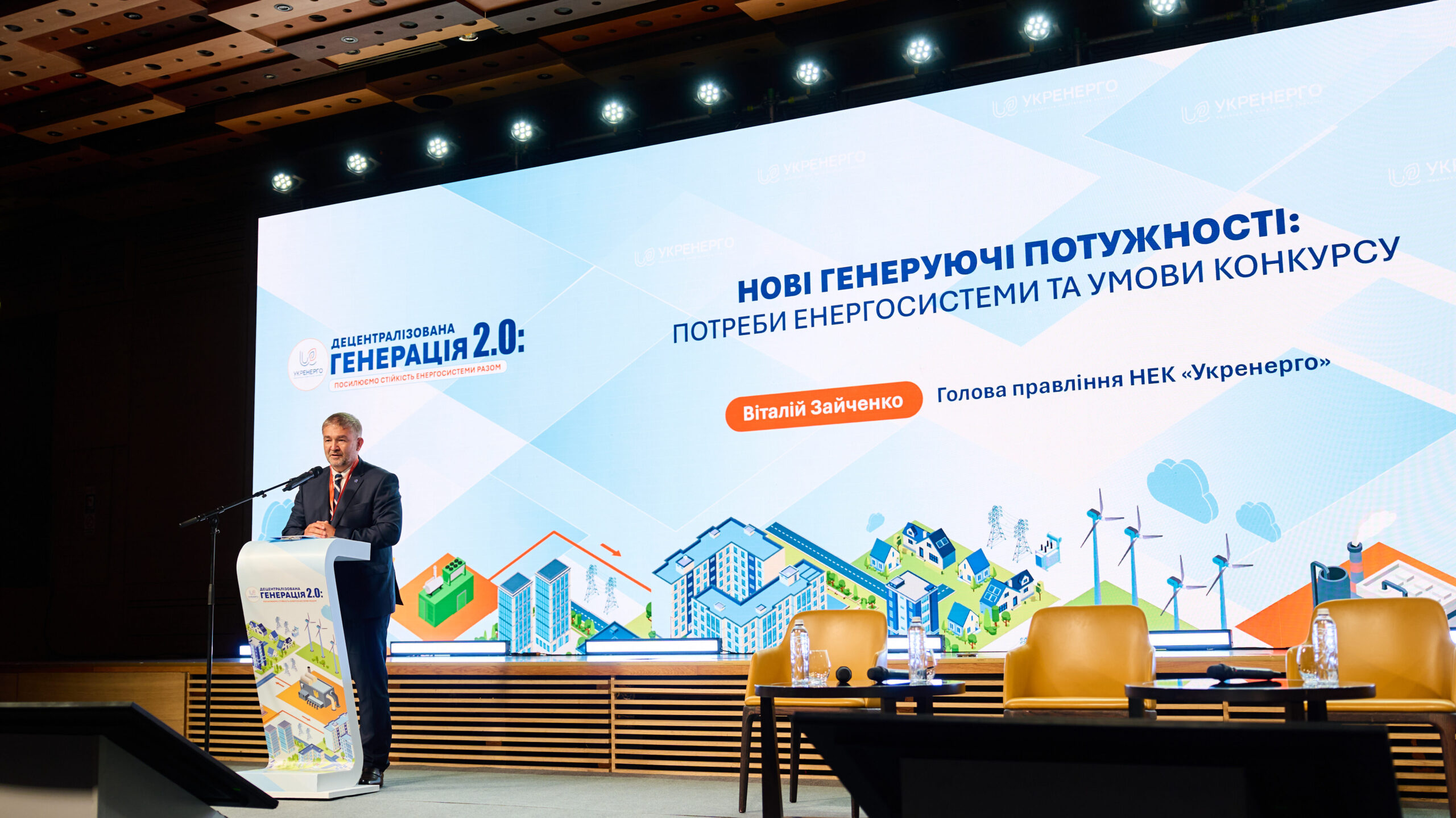
The Ukrainian Wind Energy Association (UWEA) participated in the conference “Decentralized Generation in Ukraine 2.0: Strengthening the Resilience of the Power System Together,” organized by NPC Ukrenergo and dedicated to the development of new generation capacity and attracting investment into Ukraine’s power sector.
The conference brought together representatives of government authorities, Members of Parliament, energy companies, international financial institutions, banks, and the expert community. Participants discussed the current needs of Ukraine’s power system, investment support mechanisms, the terms of the Competition for the construction of new generation capacity, technical requirements for projects, and prospects for the development of the energy sector.
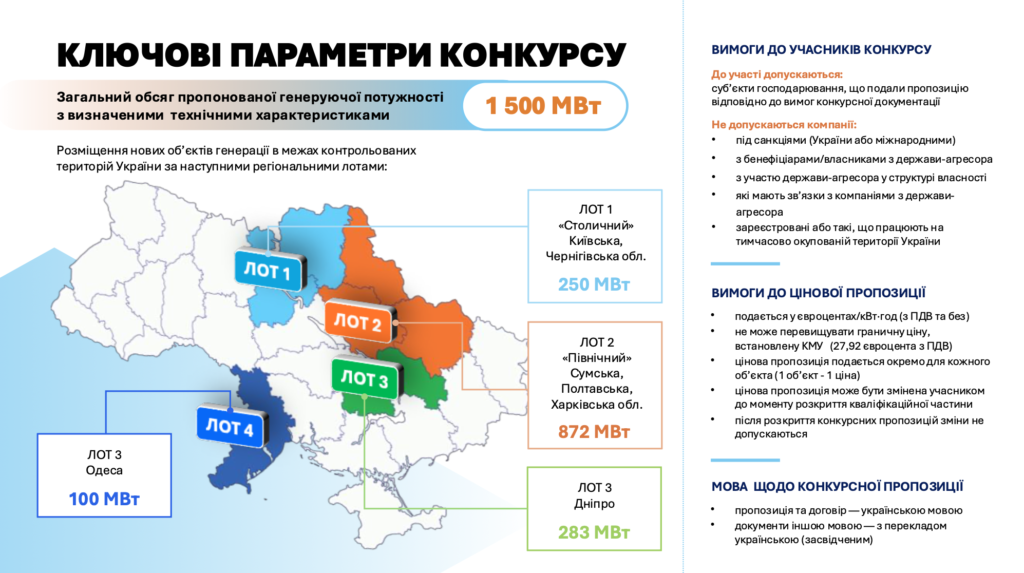
The discussion focused on the recently announced Competition for the construction of new generation capacity, which provides for the commissioning of more than 1.5 GW of new flexible generation in seven regions of Ukraine and the city of Kyiv. It is expected that by the end of this year the winners will be determined and the relevant contracts will be signed, after which project implementation will begin.
The tender for the construction of generating capacity provides for:
the connection of +1,505 MW of entirely new generation facilities in Kharkiv, Sumy, Poltava, Dnipropetrovsk, Odesa, Chernihiv, and Kyiv regions, as well as the city of Kyiv;
the minimum capacity of each new generation facility must be 10 MW;
all new generation facilities must have a second level of protection;
incentives for investors through the payment by NPC Ukrenergo of a unilateral market premium for operation during peak load hours of the power system (covering the possible difference between the current electricity price and the bid price, capped at no more than EUR 0.2792/kWh).
“Despite the rather long construction period, we expect that a significant part of the new generation capacity will appear in Ukraine’s power system much earlier – by the end of 2027… Thanks to the Competition, we will do everything possible to ensure that all this capacity starts operating as quickly as possible to strengthen the resilience of the power system, expand its balancing capabilities, and meet consumer demand in the regions experiencing the most severe power shortages,” said Vitalii Zaichenko, Chairman of the Board of NPC Ukrenergo.
During the conference, particular attention was paid to the financial sustainability of the new investor support model.
“We understand investors’ concerns given the previous experience with debts under the ‘green’ tariff. At the same time, over the past several years, the transmission tariff has fully taken into account the financial burden on NPC Ukrenergo related to the fulfilment of its public service obligations. This has made it possible not only to stop the accumulation of debt but also to reduce it by almost UAH 9.2 billion (including VAT) over the past year and a half,” said Yurii Vlasenko, Chairman of NEURC. He also emphasized that establishing transparent, clear, and predictable rules is an important prerequisite for attracting investment in new generation capacity and strengthening Ukraine’s energy resilience.
Ukrainian Wind Energy Association welcomes the open dialogue between the government, the transmission system operator, the regulator, financial institutions, and businesses on the development of new generation capacity. The Association believes that creating predictable conditions for investors, developing modern generation, and implementing market-based support mechanisms are important steps towards strengthening energy security, increasing the resilience of Ukraine’s power system, and further developing renewable energy.
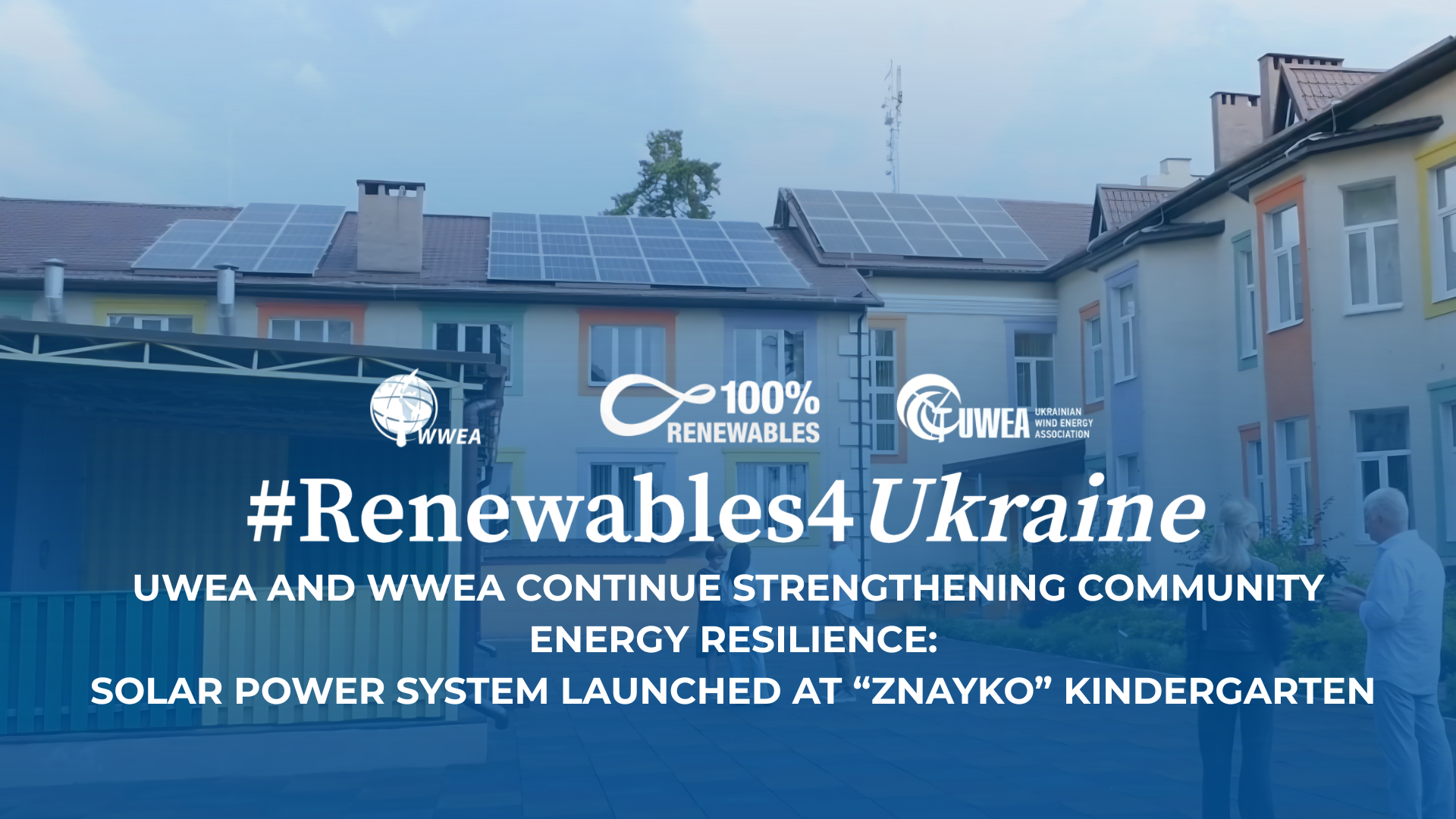
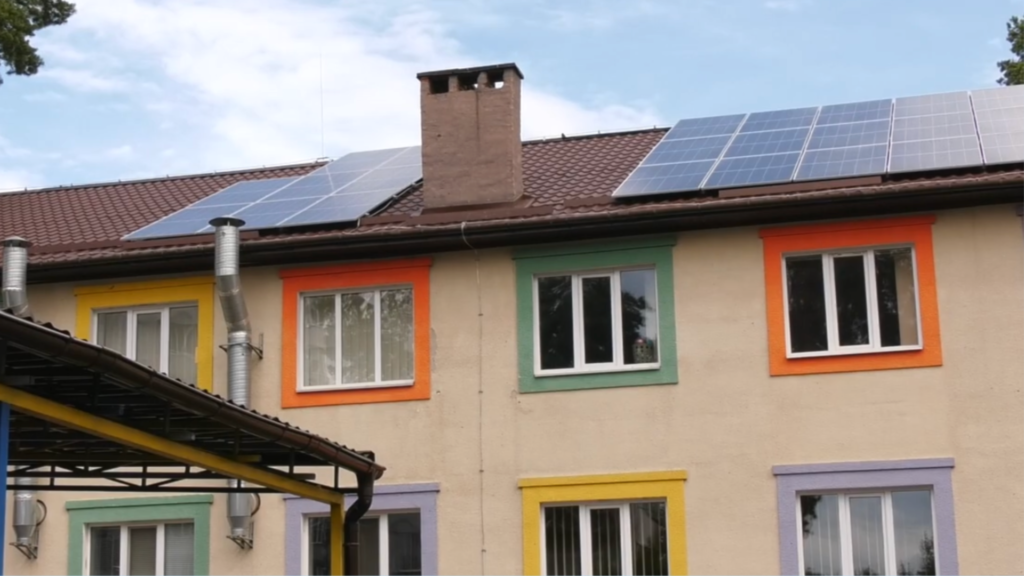
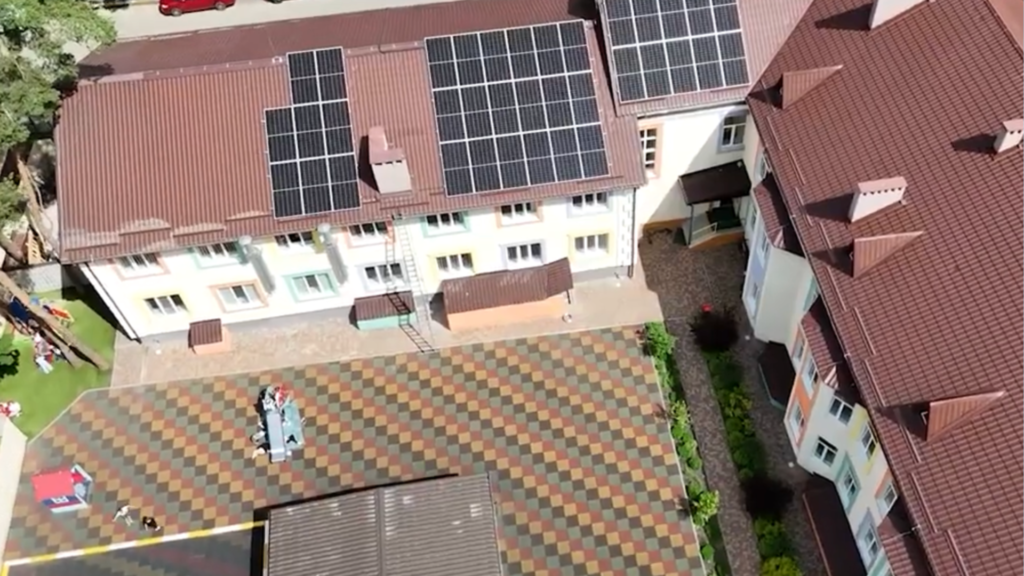
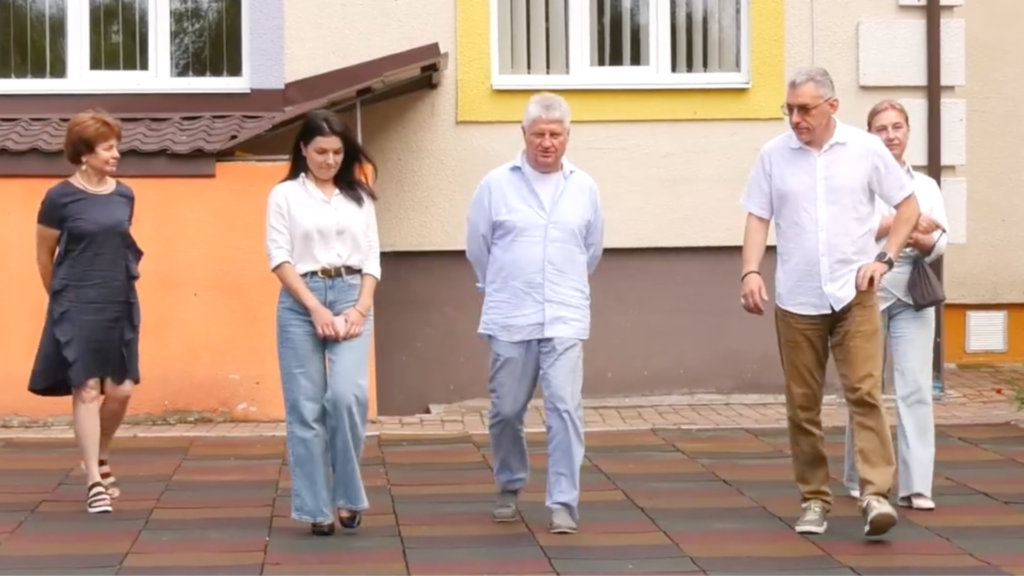
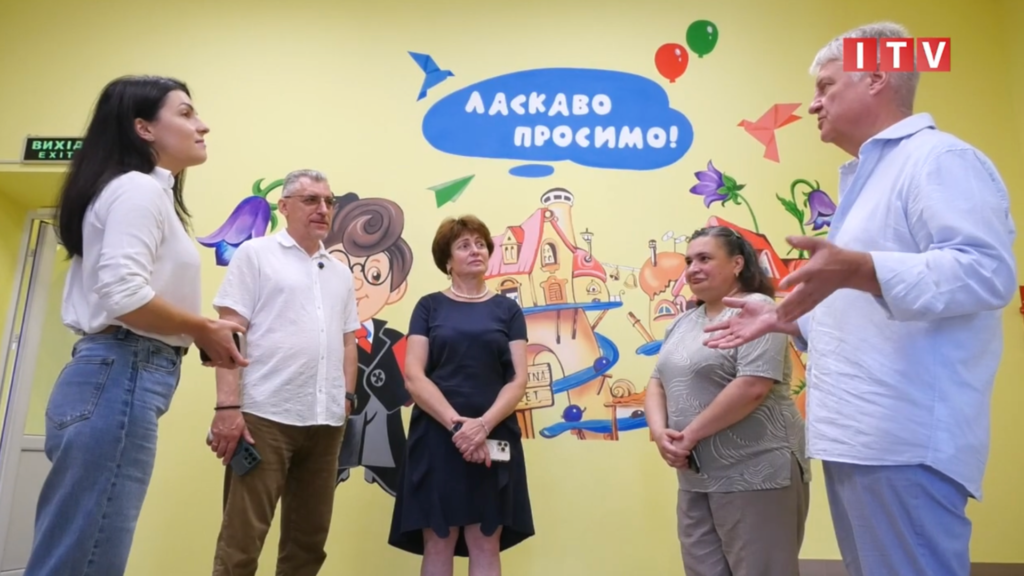
A solar power plant has been installed at the “Znayko” kindergarten in Irpin, which will ensure the uninterrupted operation of the institution during power outages. The project was implemented within the framework of the international campaign #Renewables4Ukraine.
The project was initiated by the World Wind Energy Association (WWEA) and the Ukrainian Wind Energy Association (UWEA) with the support of the “Brave Society”.
“Znayko” has become the 8th municipal institution of the Irpin community to be equipped with a solar power plant. This kindergarten became the final facility within the project implemented with the financial support of the German wind farm “Druiberg”. It was thanks to the funds raised in Germany that solar energy systems were installed in the municipal institutions of the Irpin community.
A 23 kW solar power system has been installed at the facility, comprising a 20 kW inverter, a 45 kWh battery from the Ukrainian manufacturer Green System, and solar panels, alongside the completion of all associated setup works.
Chairman of the Board of the Ukrainian Wind Energy Association Andriy Konechenkov emphasized the particular importance of developing decentralized energy in wartime:
“We are expecting a very difficult winter. In general, only about 20% of the energy system that we had at the beginning of the war remains. Therefore, today every solar system, every system using local energy sources, simply has to save Ukraine. We continue trying to attract funds in order to implement more and more new solar projects specifically for kindergartens.”
Deputy Mayor of Irpin Yuliia Osinska highlighted the importance of such projects for the community’s education sector:
“This is very important for us because we all know the times we are living in. Our educational institutions simply have to be energy independent. And speaking about ‘Znayko,’ we are sincerely delighted that our partners and our donors have given us such a gift. We hope that our cooperation will certainly not end here. We have already submitted applications for other kindergartens, and now the donors are considering financing solar systems for two more kindergartens.”
Secretary General of the World Wind Energy Association Stefan Gsänger emphasized not only the energy-related but also the educational significance of such a project:
“With this autonomous solar system, we want children to feel the benefits of renewable energy from an early age – and for them, their parents, and teachers to know that supporters from around the world stand with them. It’s heartbreaking to think some of these children weren’t even born when this war began.”
According to Olena Radko, Acting Director of the “Znayko” kindergarten, the new system has already proven its effectiveness during critical moments:
“There are scheduled power outages or emergency outages, and the panels simply helped us out at the moment when the electricity went off. We did not even notice any difference whether there was electricity or not. The kindergarten continues operating without interruption.”
The Ukrainian Wind Energy Association expresses its sincere gratitude to its international partners and donors for their consistent support for the development of sustainable energy in Ukraine and for strengthening the energy independence of communities during wartime. It is precisely thanks to such cooperation that projects ensuring the uninterrupted operation of socially important institutions can be implemented, creating safe and comfortable conditions for children and staff, while also increasing the resilience of Ukrainian communities to the challenges caused by russian aggression.
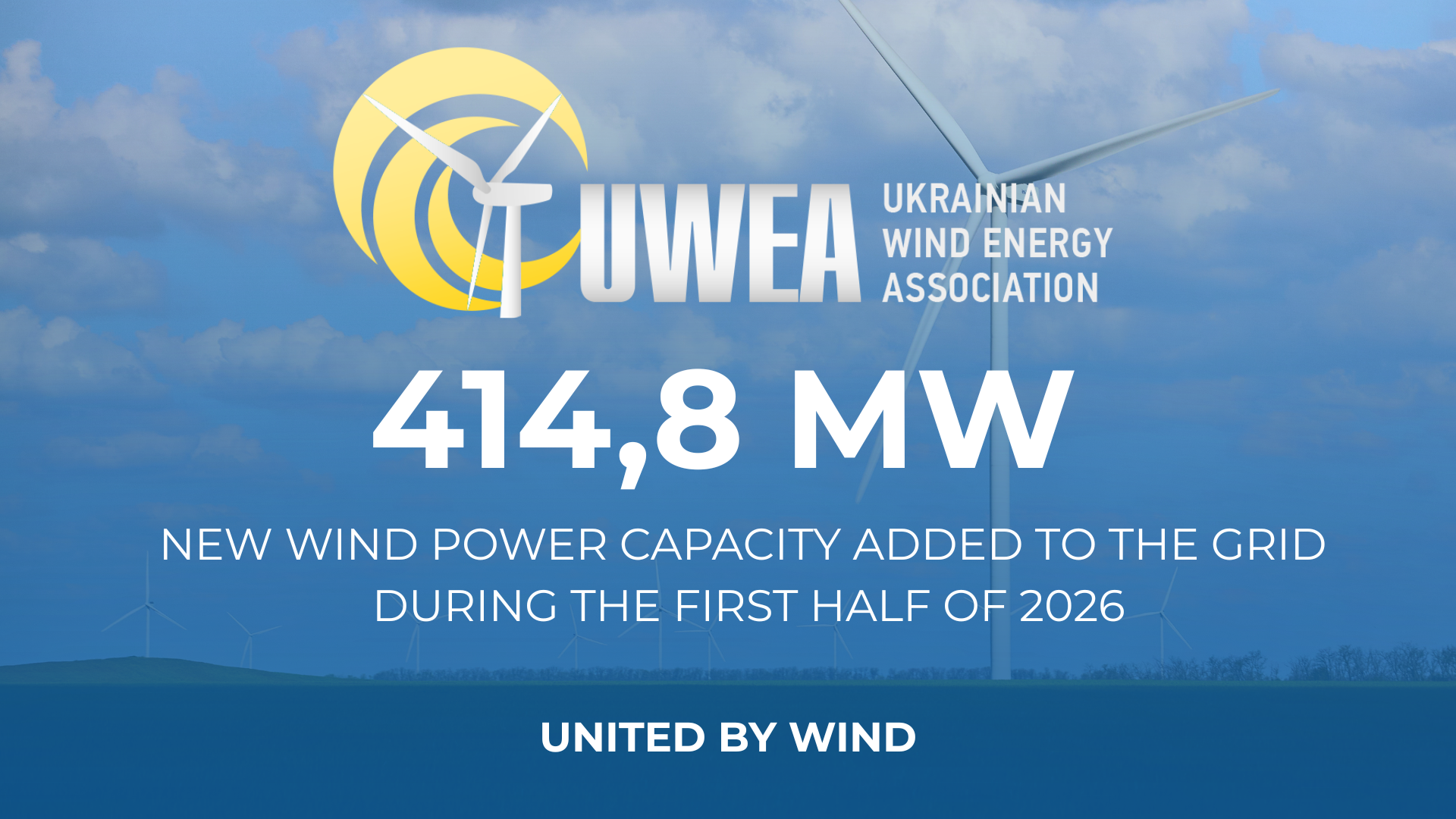
According to the Ukrainian Wind Energy Association (UWEA), 70 wind turbines with a total installed capacity of 414.8 MW were commissioned in Ukraine during the first half of 2026.
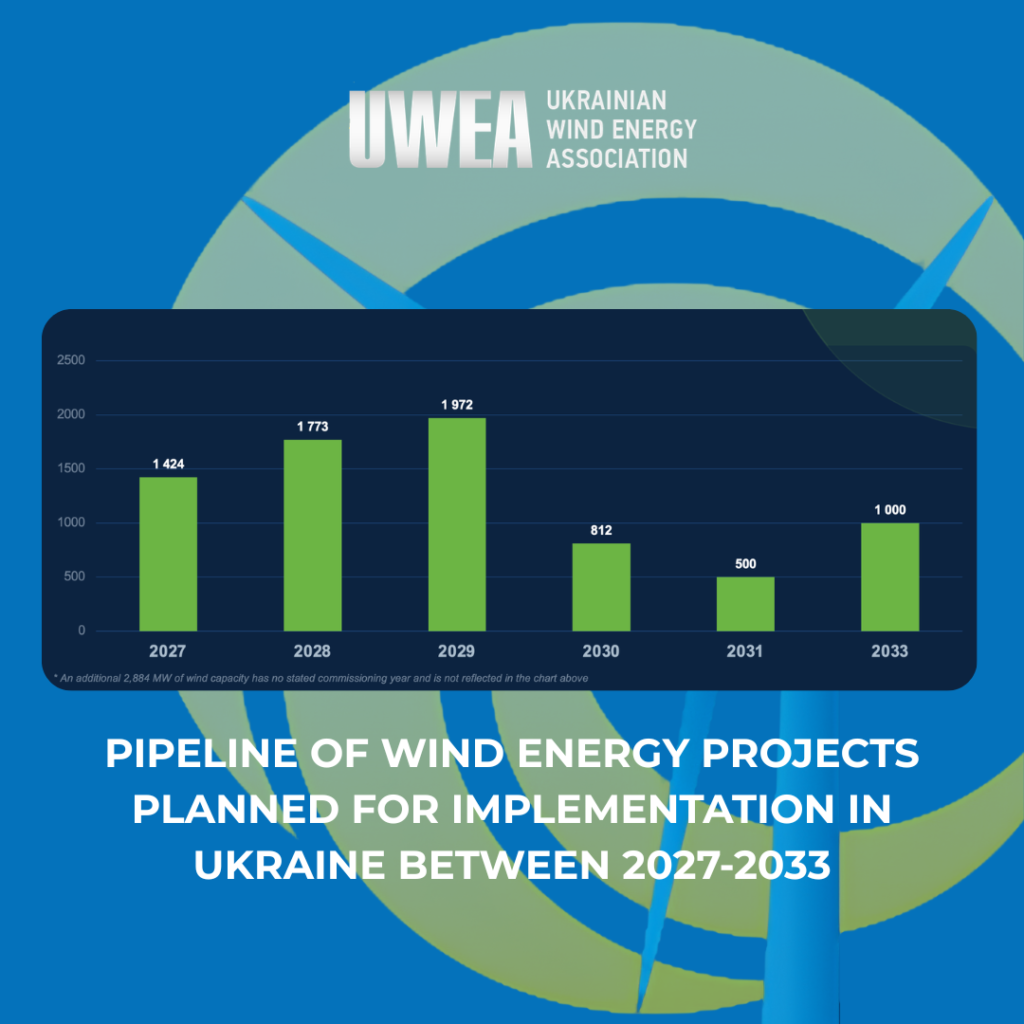
According to a recent survey of UWEA members, the pipeline of wind energy projects planned for implementation in Ukraine between 2027 and 2033 exceeds 10 GW. At the same time, the geographical distribution of future wind farms spans almost all regions of the country.
The largest increase in new installed capacity is expected in 2028 and 2029, with 1,773 MW and 1,972 MW, respectively. Meanwhile, an additional 1,424 MW of new wind capacity is projected to be connected to Ukraine’s power system in 2027.
The current momentum confirms the steady development of Ukraine’s wind energy sector and its pivotal role in the recovery and transformation of the country’s power system. Another noteworthy trend is the emergence of battery energy storage systems (BESS) at wind farm sites, as well as the design and construction of hybrid power plants combining wind farms, solar PV, and BESS.
Every new megawatt of wind power generation is another step toward a more energy-independent, resilient, and green Ukraine.
The Ukrainian Wind Energy Association (UWEA) participated in the Ukraine Recovery Conference (#URC2026), held on June 25–26, 2026, in Gdańsk. The conference became one of the key international platforms for shaping the architecture of Ukraine’s post-war recovery.
The Association was represented by Chairman of the Board Andriy Konechenkov, First Deputy Chairman of the Board Ivan Bondarchuk, Chair of UWEA’s Legal Committee Olha Savchenko, and Board Member Galyna Shmidt. They took part in a series of high-level discussions focused on energy security, investment, and decentralized generation.
This year, energy was one of the central tracks of URC, with wind energy highlighted as one of the fastest and most scalable tools for strengthening the country’s energy resilience.
The updated vision of Ukraine’s Energy Strategy, presented on the sidelines of URC 2026 and currently being developed by the Ministry of Energy of Ukraine together with the World Bank, aims to restore the country’s installed energy capacity to the pre-war level of 54 GW.
“Ukraine is building a new energy system adapted to the challenges of the 21st century. Ukraine’s strategic ambition is to restore the 54 GW of installed capacity that we had before 2014. This capacity should be ensured by: 50% nuclear energy, 30% renewable energy sources, and 20% new gas generation and modernized thermal energy,” stated First Deputy Prime Minister of Ukraine and Minister of Energy of Ukraine Denys Shmyhal.
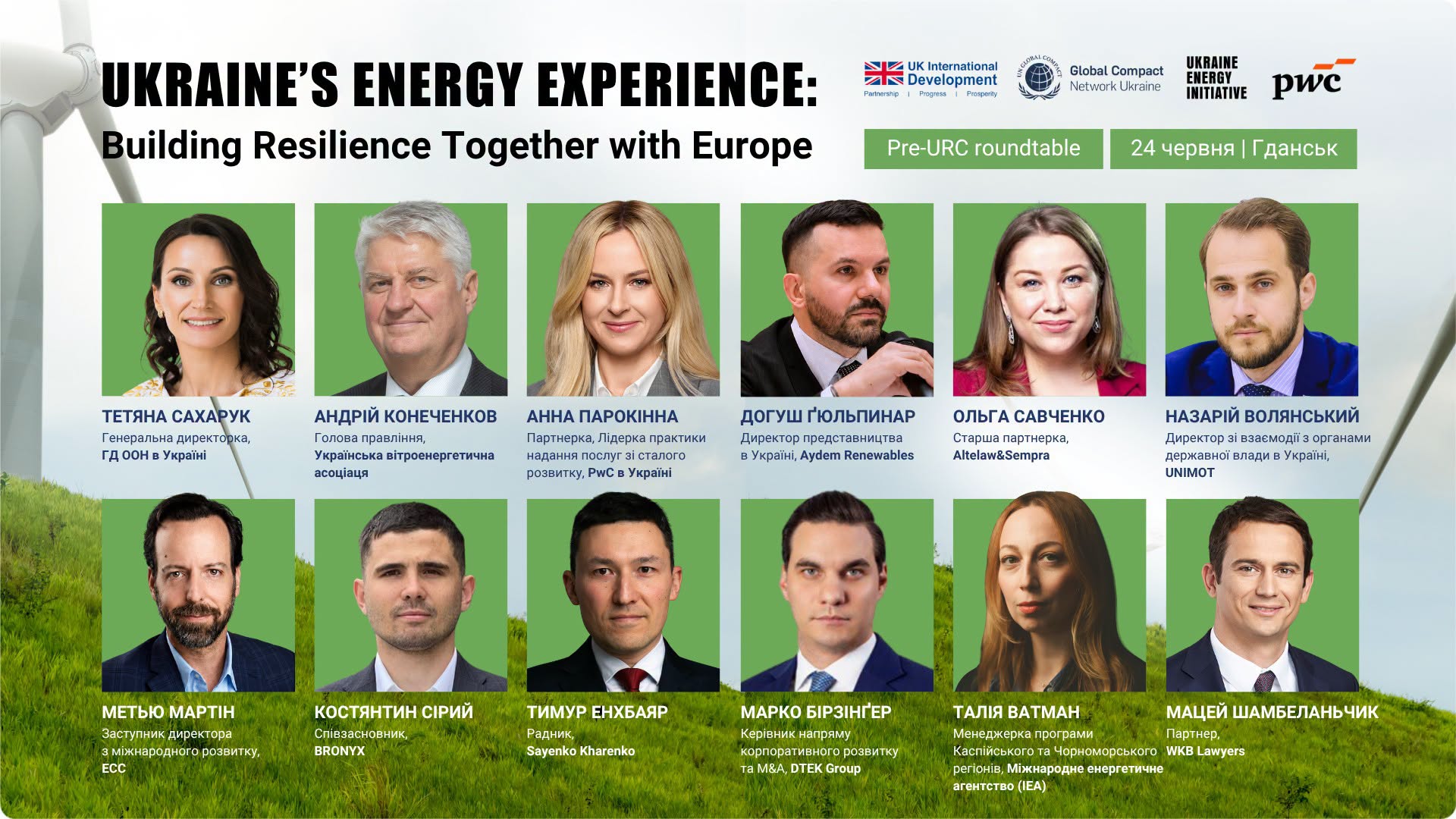
On the eve of the conference, on June 24, an international roundtable titled “Ukraine’s Energy Experience – Building Resilience Together with Europe” took place in Gdańsk. Organized by United Nations Global Compact Ukraine in partnership with the UK Foreign, Commonwealth & Development Office and supported by PwC Ukraine, the discussion focused on enhancing energy system resilience and accelerating investment scaling.
In his speech, Andriy Konechenkov emphasized that without updating market rules, the scaling of wind energy and other renewable technologies will remain limited despite strong investor interest.
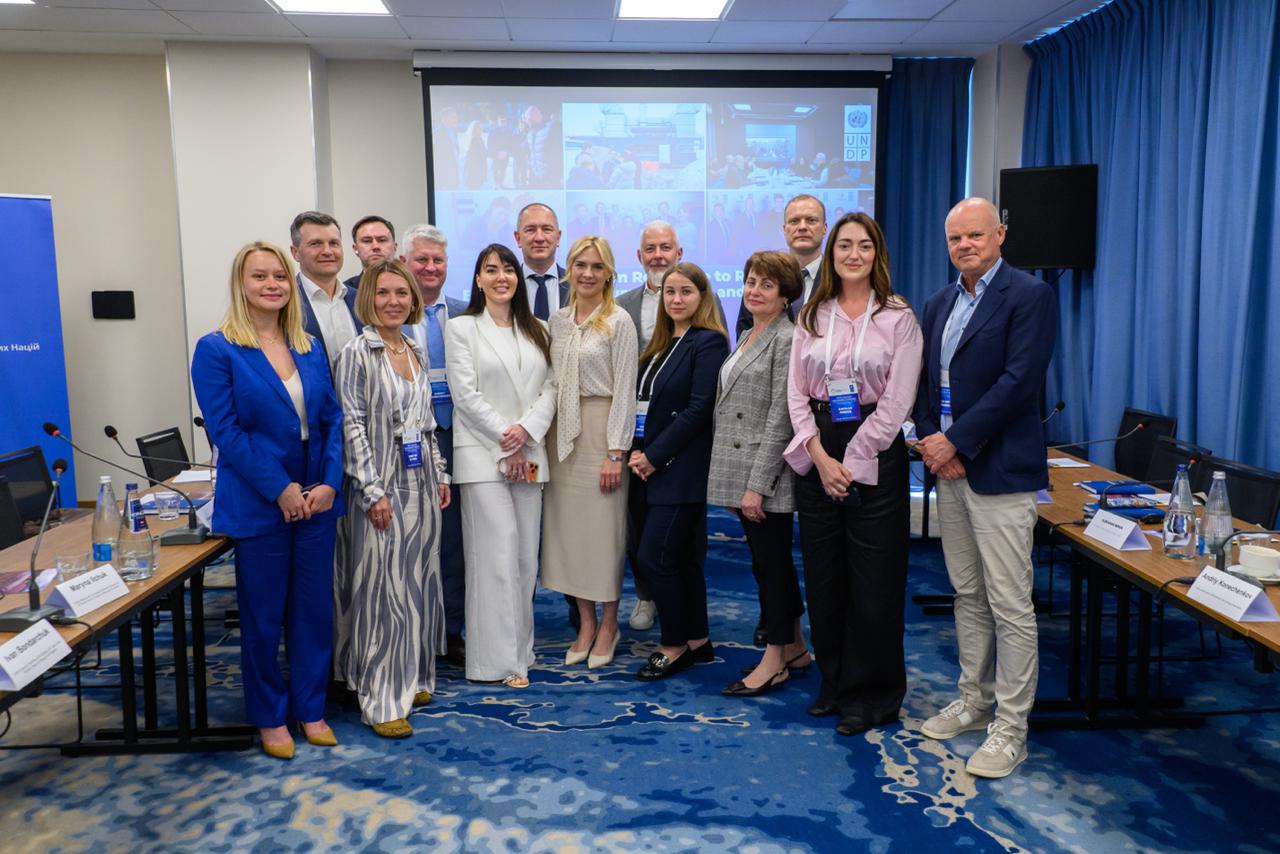
As part of the conference’s main program, UWEA Chairman Andriy Konechenkov joined the panel discussion “From Resilience to Recovery: Energy Systems, Human Capital and Investment for Ukraine”, organized by UNDP Ukraine. The discussion focused on transforming Ukraine’s energy system from crisis response to long-term recovery. A key emphasis was placed on the role of distributed generation – particularly wind energy – as a cornerstone of energy resilience.
On June 25, UWEA also participated in the discussion “Ukraine’s Missing Link: How Local Energy Ambition Meets Investment”, initiated by the Ukraine Facility Platform. The focus shifted to the practical level: how to turn local community energy initiatives into bankable projects. Speaking on behalf of UWEA, First Deputy Chairman Ivan Bondarchuk stressed that: “Investor interest alone is not sufficient to launch new energy projects at the municipal level. Equally important is a transparent and predictable cooperation model between private capital and municipalities.”
Another important venue was the exhibition area at Gdańsk International Fair AMBEREXPO, where DTEK Renewables, Wind Parks of Ukraine, and KNESS presented their stands. Here, energy discussions moved beyond panel sessions into the realm of real negotiations, projects, and partnerships.
Today, energy security is one of the key challenges for both Ukraine and Europe. In wartime conditions, the resilience of the energy system is directly linked to national security, economic stability, and future development.
Speaking to the Polish Press Agency (PAP), Olha Savchenko shared insights on Ukraine’s experience, industry challenges, and prospects for international cooperation:
“Today, energy security stands alongside physical security and national defense capability. In wartime, it is no longer only an economic or energy issue – it is a matter of national security. Despite the full-scale war, the sector continues to develop, and nearly 500 MW of new wind capacity is expected to be commissioned this year alone. We are ready to share this experience – from streamlining permitting procedures to simplifying land allocation and grid connection processes. All of this can help accelerate new energy projects and strengthen the energy resilience of Poland and the entire region.”
At the same time, one of the most significant achievements of URC 2026 was not only the discussions but also the concrete outcomes: Ukraine signed 28 international agreements in the energy sector, while the total volume of agreed financing for energy projects reached nearly EUR 2 billion.
URC 2026 effectively marked a new reality: the recovery of Ukraine’s energy sector has moved beyond planning into the stage of concrete agreements and capital deployment. In this process, wind energy is gradually assuming a systemic role rather than remaining a niche technology.
UWEA is honored to once again participate in this strategically important conference and to be present where decisions are made that shape the future of Ukraine’s energy sector and its recovery.
On June 24, 2026, as part of the Ukraine Recovery Conference in Gdańsk, a panel discussion titled “From Resilience to Recovery: Energy Systems, Human Capital and Investment for Ukraine” was held, organized by UNDP.
The event focused on Ukraine’s recovery through strengthening energy infrastructure, developing human capital, and stimulating investment. Participants discussed practical solutions for sustainable reconstruction and enhancing the country’s energy security.
Andriy Konechenkov, Chairman of the Board of the Ukrainian Wind Energy Association (UWEA), took part in the panel discussion dedicated to the role of distributed generation (particularly wind energy) in Ukraine’s energy resilience. During his speech, he noted:
“Despite the prolonged war and the fact that 56% of our pre-war wind power capacity remains in temporarily occupied territories, Ukraine’s wind energy sector continues to demonstrate resilience. Since the beginning of the full-scale invasion, 703 MW of new wind capacity has been commissioned in Ukraine. As of today, the wind energy project pipeline for 2027–2033 exceeds 10 GW of capacity.”
UWEA expresses its gratitude to the UNDP Green Energy Recovery Programme for organizing this nationally important event. We sincerely thank all participants for the constructive discussion and joint efforts in identifying effective solutions to strengthen Ukraine’s energy security.
On 24 June ahead of the Ukraine Recovery Conference 2026, the international roundtable “Ukraine’s Energy Experience – Building Resilience Together with Europe” took place. The event was organized by Global Compact network in Ukraine in partnership with UK Foreign, Commonwealth & Development Office (FCDO), with the support of PwC Ukraine.
Among the speakers was Andriy Konechenkov, Chairman of the Board of the Ukrainian Wind Energy Association. His remarks focused on the need for and methods of optimizing market mechanisms to accelerate the large-scale deployment of wind energy and other renewable energy technologies in Ukraine.
The event brought together representatives of governments, international financial institutions, investors, partner organizations, and energy sector leaders to discuss how Ukraine’s practical experience in ensuring energy resilience during wartime can contribute to strengthening Europe’s energy security and create new opportunities for international cooperation and investment.
Participants discussed key aspects of attracting investment into Ukraine’s energy sector, including the development and modernization of energy infrastructure, the integration of Ukrainian and European energy markets, the implementation of high standards of transparency and corporate governance, effective mechanisms for mitigating investment risks, and tools for accelerating the country’s sustainable recovery through public-private partnerships.
In his speech, Andriy Konechenkov stated:
“To strengthen the current growth trend in renewable energy capacity, we must optimize our market mechanisms. In particular, we need to define long-term prospects for green auctions; implement mechanisms to reduce war-related risks, such as the Ramp-Up mechanism and ensure stable financial sustainability in Ukraine’s electricity market.
Ukraine possesses world-class wind resources, a strategically advantageous geographic location, and a uniquely bold private sector. By combining these factors and ensuring strong institutional trust through resolving the debt crisis in the market, we will be able to scale this success together with Europe and accelerate Ukraine’s integration into the European energy market.”
Ukraine possesses world-class wind resources, a strategically advantageous geographic location, and a uniquely bold private sector. By combining these factors and ensuring strong institutional trust through resolving the debt crisis in the market, we will be able to scale this success together with Europe and accelerate Ukraine’s integration into the European energy market.”
Thank you Global Compact network in Ukraine for the invitation and for organizing such an important event at URC 2026!
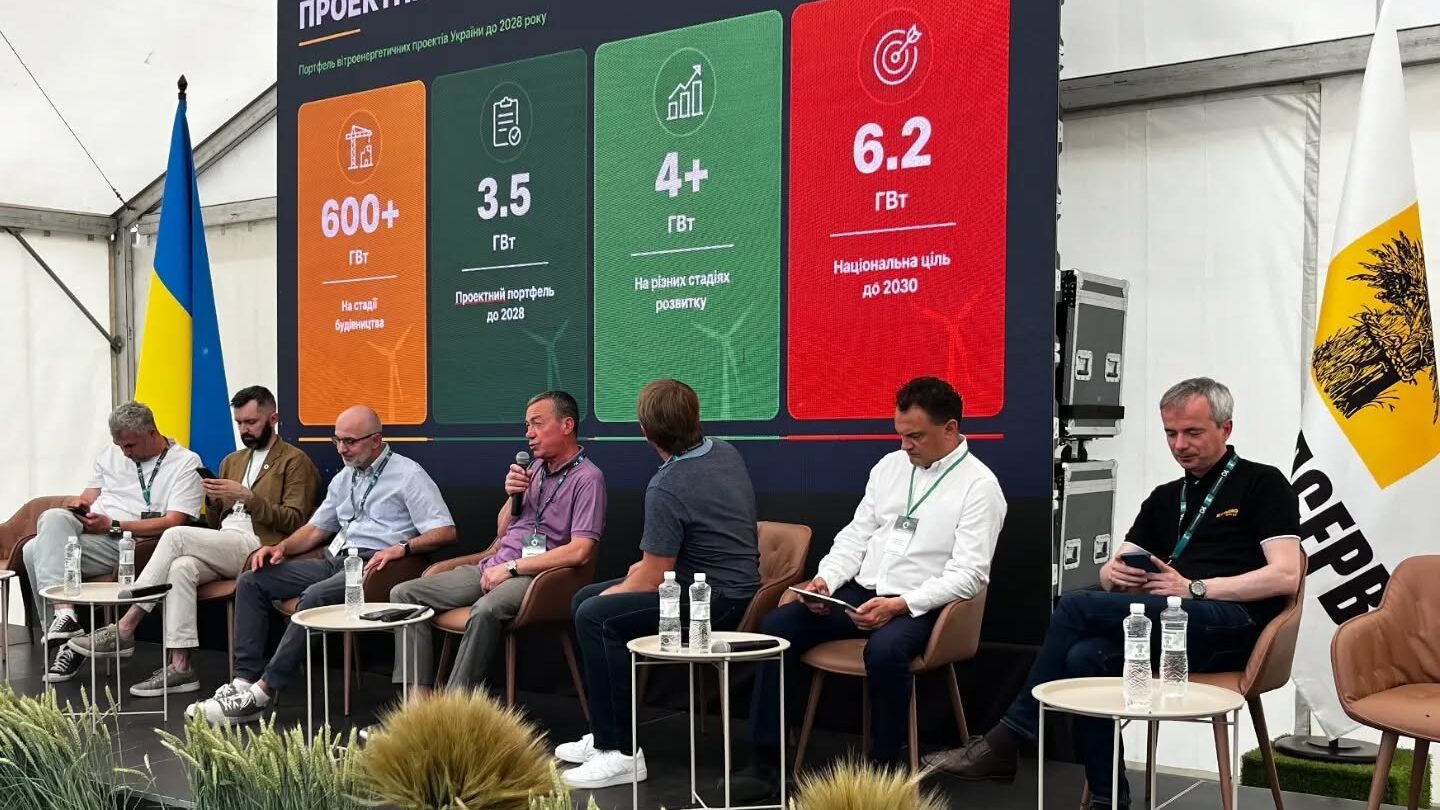
On June 18–19, 2026, the 10th International Forum of Agrarian Innovations “Nove Zernyatko 2026” took place in the village of Nastasiv, Ternopil region, bringing together over 150 partners and 9,000 visitors. One of the key events of the forum was the thematic panel “Innovations in Energy: Challenges and Opportunities during the War in Synergy with Ukraine’s Agricultural Potential.” Representing the Ukrainian Wind Energy Association (UWEA) in the discussion was Mykola Savchuk, Deputy Chairman of the UWEA Board for Distributed Generation and CEO of GRESA-GROUP. The energy panel was moderated by Serhii Savchuk, Member of the Board of the Bioenergy Association of Ukraine. The speakers included Andrii Herus, Chairman of the Verkhovna Rada Committee on Energy and Housing and Utilities Services, Vladyslav Stemkovskyi, Deputy Mayor of Ternopil, and heads of specialized energy companies.
During the event, Mr. Savchuk presented the current state of the industry and a practical algorithm for the development of energy projects for business. According to the provided data, the total installed wind power capacity in Ukraine has reached 2.2 GW, including the 56% of capacities currently located in temporarily occupied territories. At the same time, the sector continues to grow: since 2022, 704 MW have been commissioned, of which a record 324.4 MW were launched in 2025, and the total project pipeline up to 2028 is estimated at 3.5 GW.
He also described in detail the stages of creating in-house generation for enterprises — from forming a concept and collecting data on peak and seasonal consumption to analyzing local constraints, demonstrating this with the example of assessing the wind potential of the “Zboriv” site. Special attention was paid to the model of energy microgrids, which involves the integration of wind power plants (WPPs), solar power plants (SPPs), biomass, and energy storage systems. This approach ensures not only a reliable energy supply and a reduction in the cost of agricultural products but also opens up additional opportunities for business: selling surplus electricity on the wholesale market, creating local “energy islands” for neighboring communities, and providing power system flexibility services to the Transmission System Operator (TSO).
On June 18, 2026, the second annual Franco-Ukrainian Renewable Energy Conference, “Ukraine: Rebuilding with Sustainable, Carbon-Free Energy,” organized by Calidris, took place at the French National Assembly.
The conference brought together leading experts, business representatives, industry associations, financial institutions, and government authorities from Ukraine and France to discuss the future of sustainable energy and the green reconstruction of Ukraine.
The Ukrainian Wind Energy Association was represented by the Head of the Analytical Department, Yevhenii Kontorshchykov, who took part in the panel discussion “Energy as a Strategic Asset for Resilience,” dedicated to the strategic role of energy and its ability to support a country’s economic stability in wartime conditions.
The UWEA presented to the French audience up-to-date statistics on Ukraine’s installed wind power capacity since 2022 and highlighted the positive development trend of the sector despite ongoing shelling and direct attacks on energy infrastructure. It was also emphasized that, despite these challenges, Ukraine remains a promising country for investment in wind energy. During the speech, Yevhenii Kontorshchykov noted:
«Today, Ukraine remains one of the most promising markets in Eastern Europe for wind energy, thanks to significant natural potential and the state’s ambitious goal of reaching 6.2 GW of installed capacity by 2030.
Ukraine’s future reconstruction will involve a deep transformation of its energy infrastructure, where wind energy will play one of the key roles in the context of the global transition to renewable energy sources.
At the same time, the Ukrainian market remains open to various investment models, creating flexible opportunities for international cooperation. That is why it is important to systematically promote Ukraine’s investment opportunities, particularly in Europe, in order to implement future joint projects.”
We thank France for its tireless support of Ukraine and its willingness to contribute to the country’s reconstruction, including in the energy sector!