cloud for logo

UWEA and Rystad Energy Have Begun Cooperation

We are pleased to announce the signing of a Cooperation Agreement between the Ukrainian Wind Energy Association and Rystad Energy — one of the world leaders in the field of analytics and consulting in energy. Rystad Energy operates worldwide and covers all segments of the energy industry – from production to consumption. The company provides reliable data, forecasts and recommendations that allow clients to anticipate changes and plan effectively for the future.

As part of the cooperation, the Parties agreed on:

  • the exchange of up-to-date information, research materials and analytics on trends in the field of renewables and wind energy in Europe;
  • joint interaction in terms of increasing the transparency and quality of the information landscape regarding the current and future state of wind energy in Ukraine.

This cooperation is a sign of confidence in the Ukrainian renewables market and a step towards its deeper integration into the European energy space.

We sincerely thank the Rystad Energy team for their openness to partnership, their support and their faith in Ukraine!

The Development of Ukraine’s Hydrogen Market: a Green Light for Wind Energy

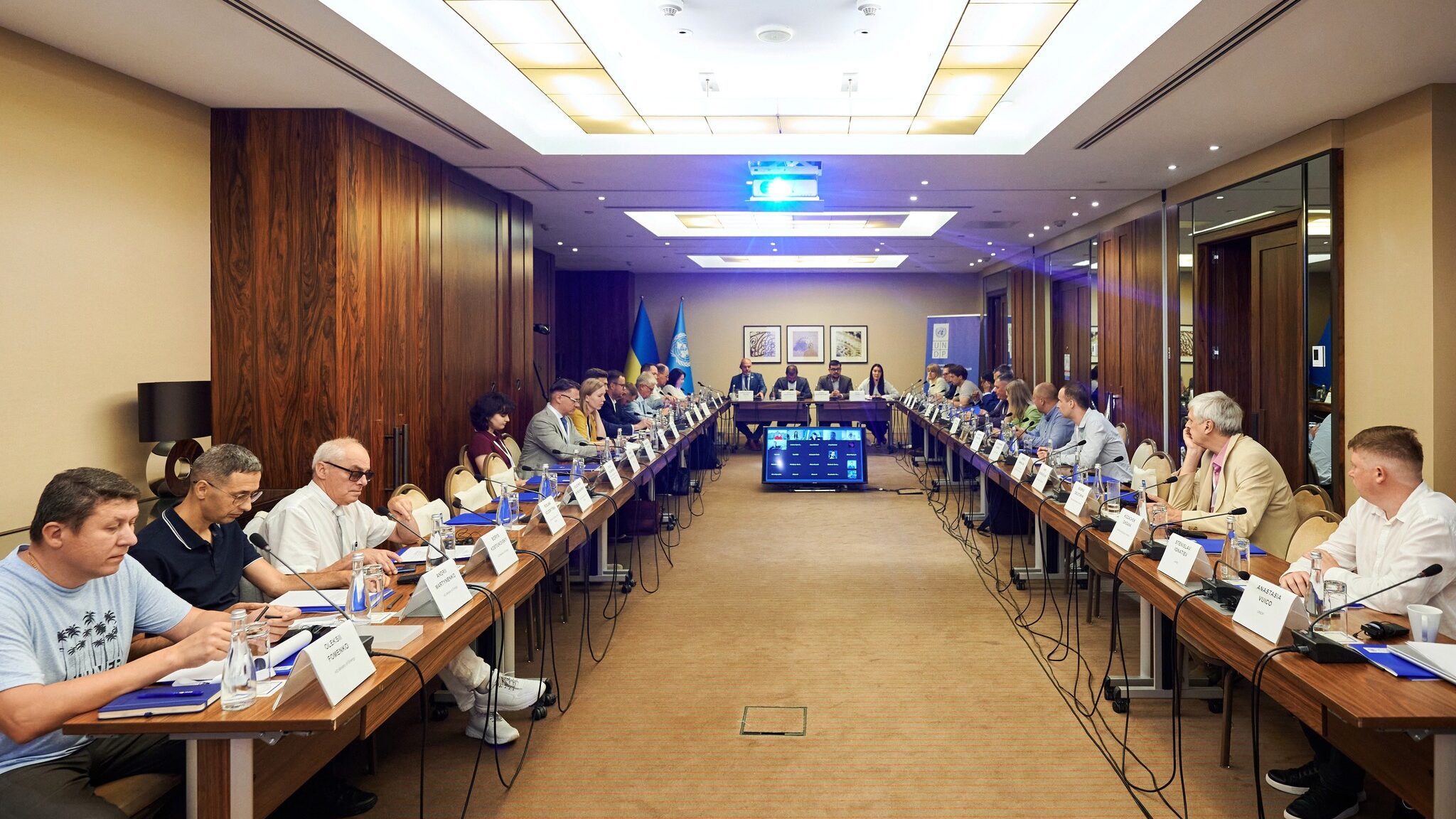
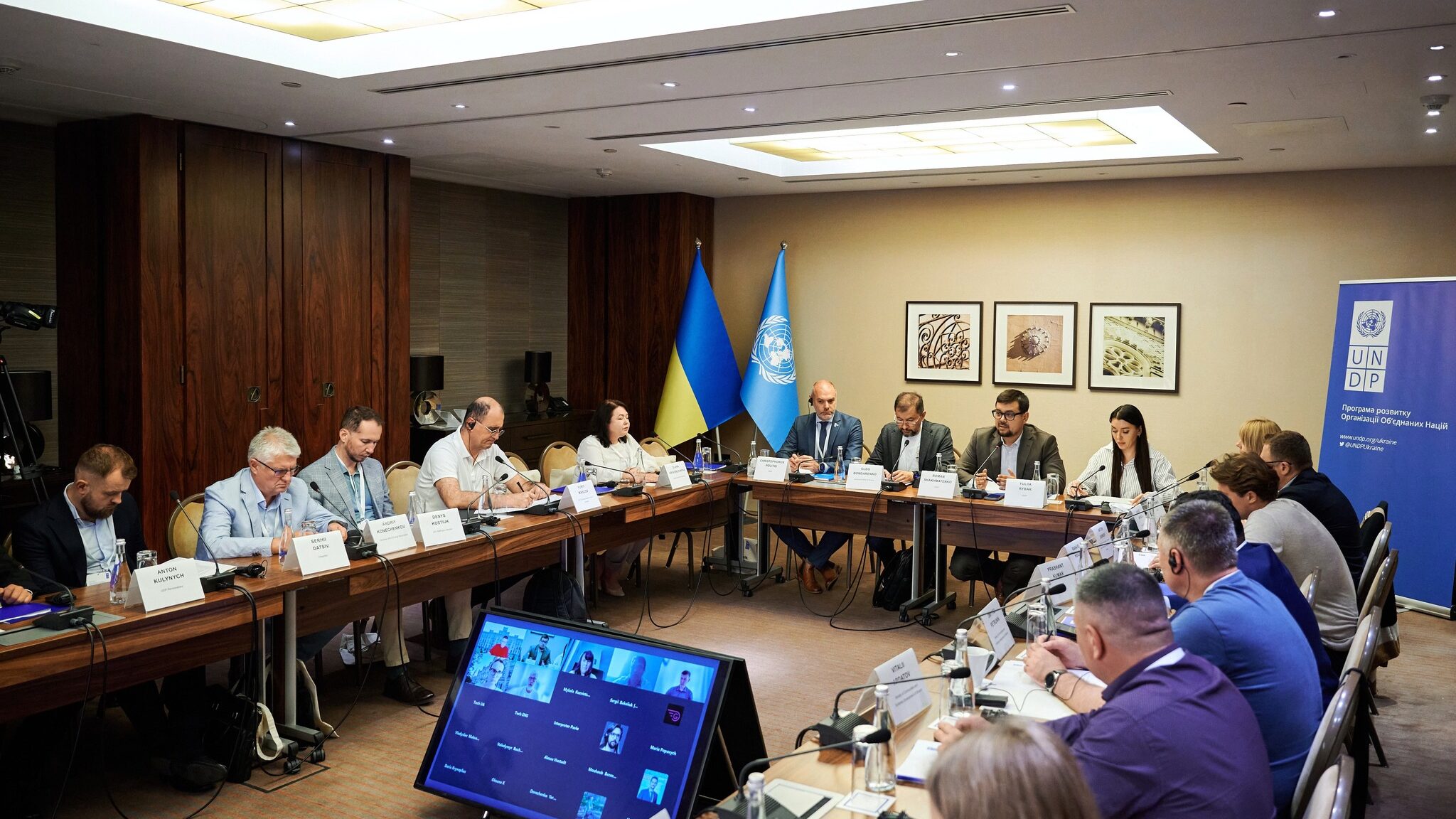
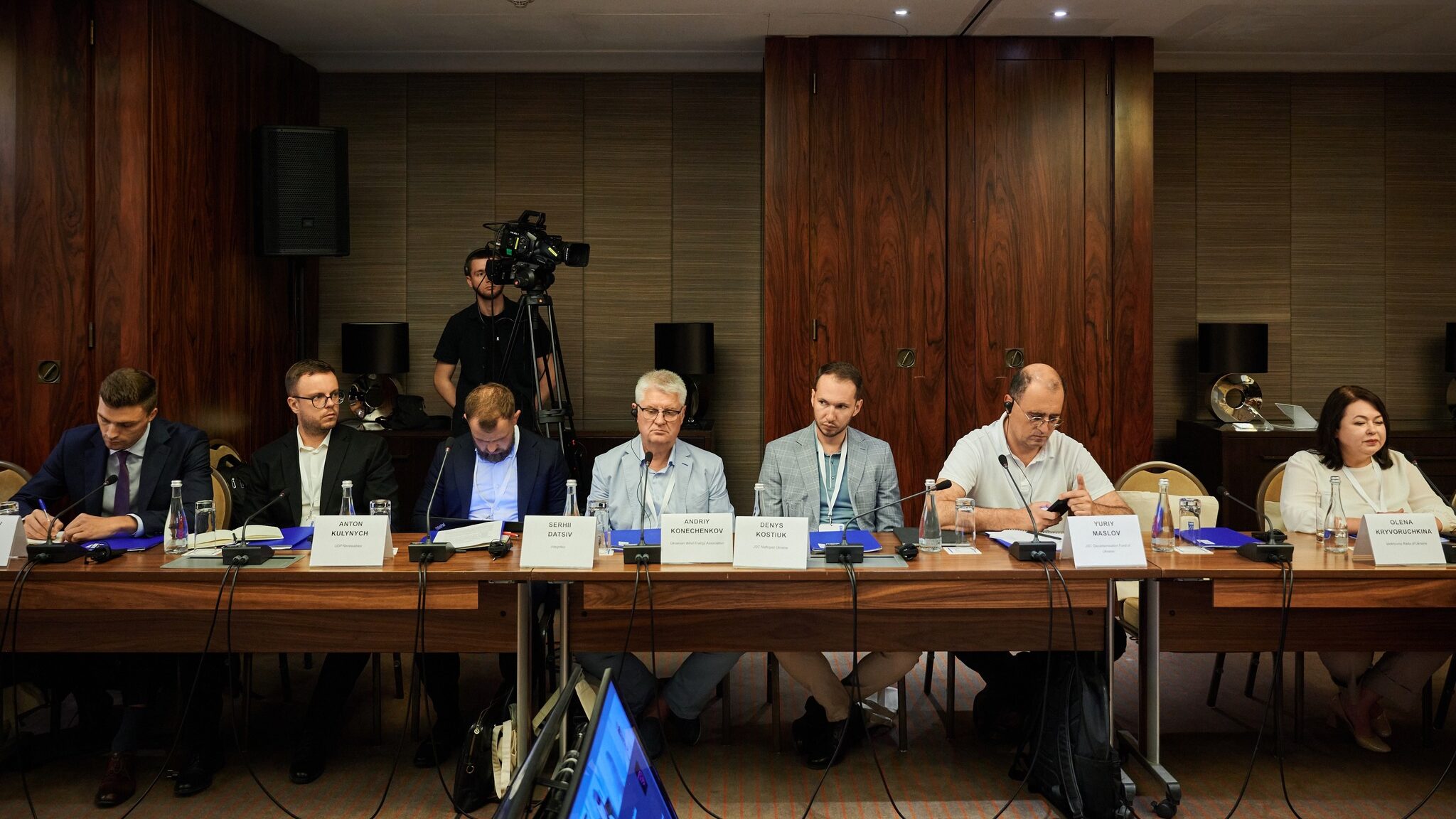
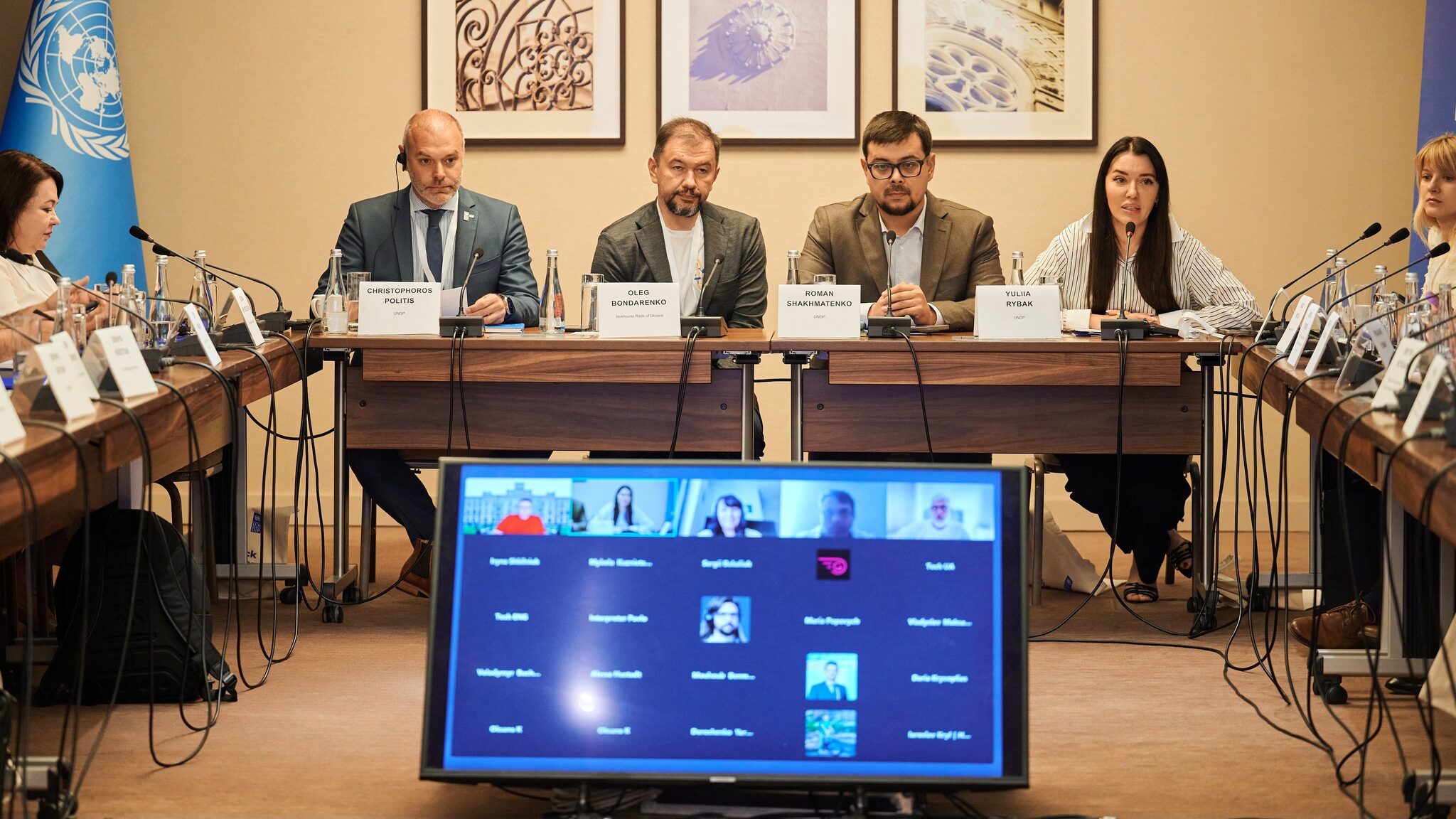
On 21 July 2025, Kyiv hosted the round table “Regulation of the hydrogen market in Ukraine: presentation of the draft law and next steps”, organised by the United Nations Development Programme in Ukraine. The event was attended by representatives of the Verkhovna Rada of Ukraine, central executive authorities, international organisations, business, the scientific community, civil society and specialised associations, namely the Ukrainian Hydrogen Council and UWEA.

UWEA was represented at the event by UWEA Board Chairman Andriy Konechenkov.

At the centre of the discussion was the framework draft law “On Amendments to Certain Laws of Ukraine on the Development and Use of Renewable and Low-Carbon Hydrogen” – the first systematic document in Ukraine that creates a legal and institutional framework for the production, transportation, storage and use of hydrogen, defining the concepts of “renewable hydrogen” and “low-carbon hydrogen”, introducing guarantees of origin, a hydrogen registry, support mechanisms and the corresponding powers of regulators. The document is harmonised with European directives and standards.

As part of the event, the participants discussed a wide range of issues:

  • The technical feasibility of integrating hydrogen infrastructure,
  • Certificates of origin for hydrogen,
  • Financing of hydrogen projects,
  • The creation of hydrogen valleys,
  • Training personnel for the new energy ecosystem and the new market segment,
  • The role of international cooperation in developing the export potential of hydrogen to the EU.

UWEA’s position is quite clear: “green” hydrogen is renewable energy in action. That is, the sources from which this hydrogen is produced must be 100% renewable — the energy of wind, sun, biomass and hydropower. 

“When speaking about the hydrogen economy, we must remember: its foundation is renewable energy sources. It is precisely they that ensure the environmental cleanliness and climate responsibility of production. Given that Ukraine has already adopted such strategic documents as the National Energy and Climate Plan for the period up to 2030 and the National Action Plan for the Development of Renewable Energy up to 2030, I believe that the proposed framework law on the hydrogen market should be coordinated with these foundational documents”, — Andriy Konechenkov noted in his speech.

UWEA’s participation in this dialogue is a reminder: the development of wind energy is not only part of the energy transition, but also a key element in forming the hydrogen economy in Ukraine. So, UWEA expresses its gratitude to UNDP in Ukraine and the Green Energy Recovery Programme for their initiative, professionalism and steadfastness in promoting clean energy and strategic solutions for Ukraine’s energy transformation.

Following the results of the event, a consultation process will be launched with the involvement of experts, authorities, associations and business representatives. It is planned to create a working group to finalise the draft law, with its subsequent submission for consideration by the Verkhovna Rada of Ukraine.

The EBRD, the European Commission and Partners Are Launching a New Mechanism to Accelerate Investment in Ukraine’s Renewable Energy

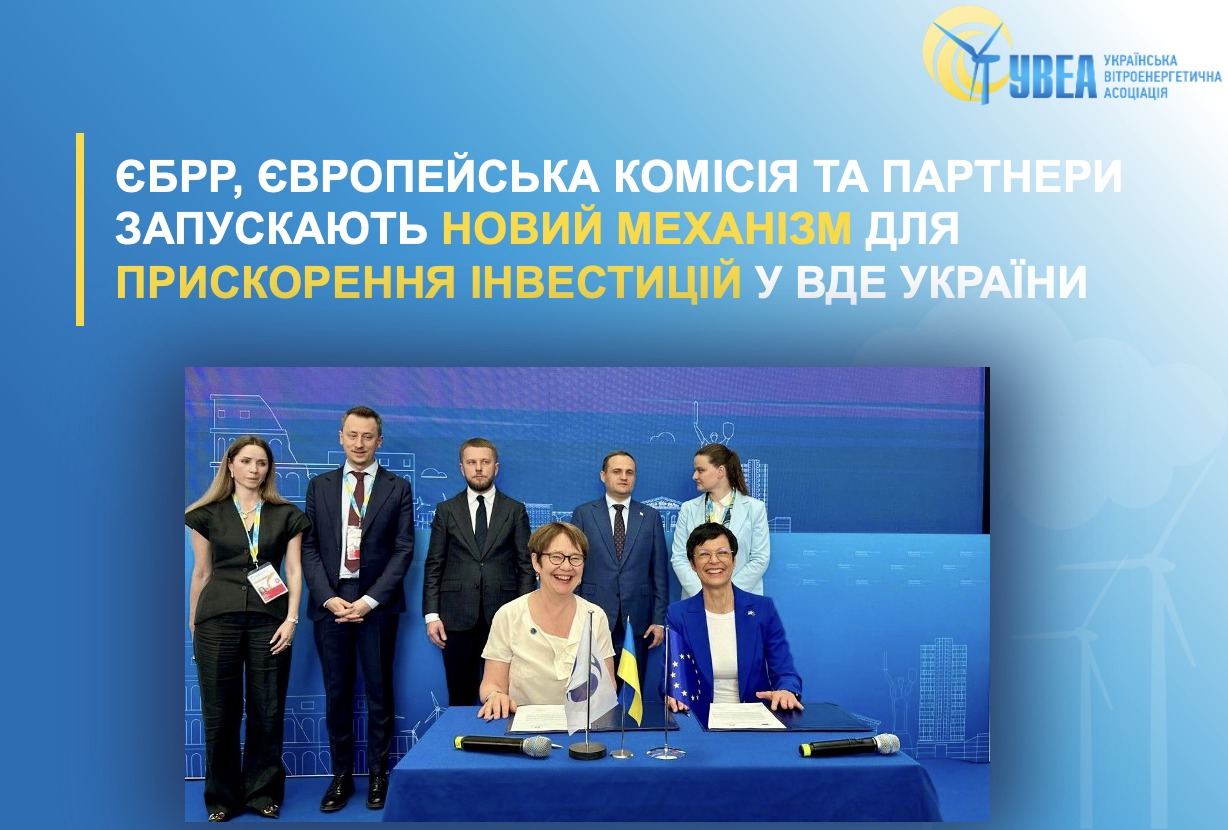
During the Ukraine Recovery Conference (URC2025), held on 10–11 July 2025 in Rome, Italy, a letter of intent was signed on the creation of the Ukraine Renewable Energy Risk Mitigation Mechanism (URMM), which will be able to unlock €1.5 billion of investment in new renewables capacity at the level of 1 GW and offset the risk of the guaranteed purchase of electricity.

What does this mean?

After the large-scale destruction of Ukraine’s power system as a result of Russian attacks, the country is in critical need of new generating capacity. The URMM is intended to stimulate investment in renewables by giving projects revenue stability and reducing risks for investors. The mechanism guarantees a minimum electricity price for each private project, which gives banks confidence in the return of the invested funds.

Who has joined the initiative?

▪ The EBRD – responsible for structuring and channelling donor funds

▪ The European Union (through the Ukraine Investment Framework – UIF)

▪ The Government of the Netherlands

▪ IFC, the World Bank, the Business Advisory Council of the Ukraine Donor Platform

▪ Energy associations: UWEA, EUEA and the Green Deal Ukraïna project

The first financial contributions:

  • €180 million from the EU
  • €12 million in the form of grants from the Netherlands

Countries such as Germany, Norway, Sweden and Switzerland are also considering the possibility of joining.

What is the operating principle?

Participants will be selected through transparent auctions. The introduction of the mechanism will contribute to the predictability of revenues for producers of “green” energy, thereby reducing the barriers to investment in new projects. It also provides for the provision of targeted technical assistance to the Government of Ukraine to create a national renewables support scheme without the need for external mechanisms in the future.

Why is this important?

Ukraine has great potential for the development of renewables, but market volatility has been holding investors back. The URMM can change this – by providing trust and a new investment impulse.

This is also part of a broader package of reforms to bring Ukraine closer to EU standards within the framework of European integration.

“This platform is a testament to the power of joint advocacy”, – noted Andriy Konechenkov, Chairman of the UWEA Board. “By reducing financial risks, we open up opportunities for renewable energy to contribute to the reconstruction of Ukraine and its long-term sustainability.”

This platform is also another step towards achieving the goals of Ukraine’s National Energy and Climate Plan (NECP) up to 2030, which defines renewable energy as the cornerstone of the country’s energy future.

We sincerely thank all the partners behind this initiative for their trust in the Ukrainian market, their strategic vision and their readiness to act. Today’s decisions are shaping the energy independence of tomorrow’s Ukraine.

***

Other EBRD initiatives announced at the URC:

  • The financial inclusion programme (UIF): €200 million in guarantees → up to €2 billion in loans for SMEs
  • The SME recovery programme: €45 million → €135 million in financing for businesses

The EBRD has already invested €7.2 billion in Ukraine since the start of the full-scale war and has approved a capital increase of €4 billion in order to continue supporting the country to the tune of €1.5 billion annually, with the potential to increase financing at the stage of post-war reconstruction.

Ukraine is recovering – through investment, reforms and clean energy. The time has come to build an energy future free from threats and dependencies.

UWEA at the Ukraine Recovery Conference 2025: Resilience, Investment and New Wind Generation Projects

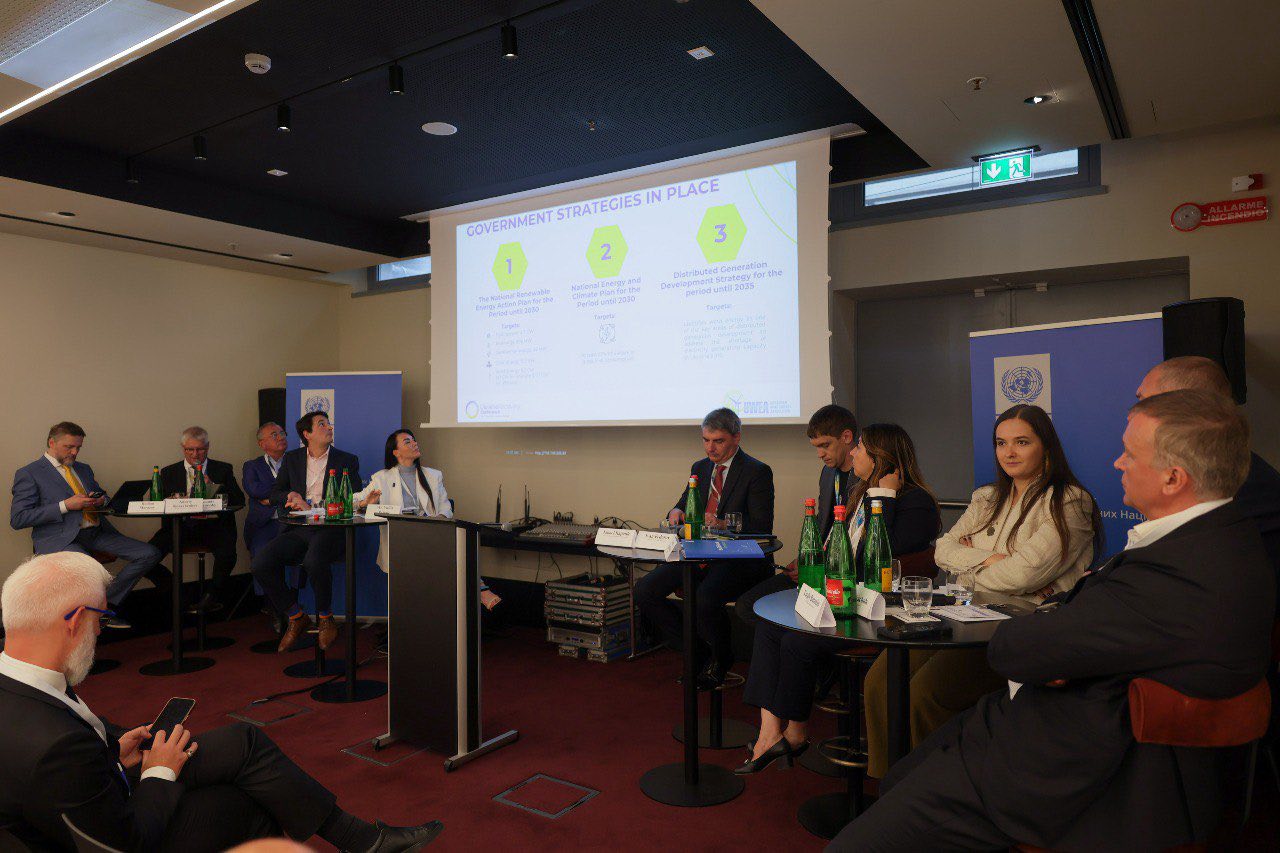
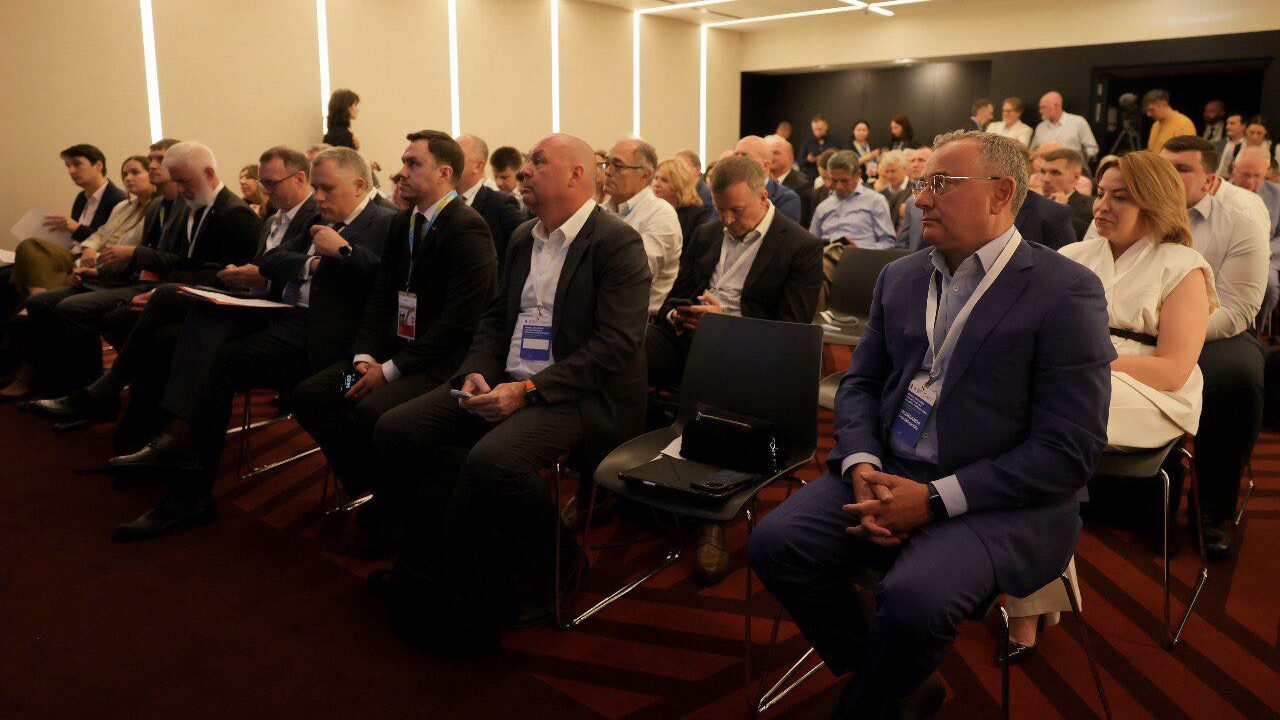
From 10 to 11 July 2025, the governmental Ukraine Recovery Conference is taking place in Rome, Italy, the delegates to which also included representatives of UWEA member companies, headed by Board Chairman Andriy Konechenkov. On 9 July, as part of the conference, a strategically important round table took place on the topic “Energy solutions for sustainable regional development: investment, innovation and resilience”, organised by UNDP in Ukraine together with the Ministry of Energy of Ukraine. The discussion brought together representatives of the authorities, business and international financial institutions around such key topics as: strengthening the institutional and financial support of the renewable energy sector, as well as improving energy efficiency and modernising grids to provide communities with stable and clean electricity.

Industry expertise regarding the Ukrainian wind energy market was provided by UWEA Board Chairman Andriy Konechenkov. In his speech, he cited facts that demonstrate the real dynamics and investment attractiveness of Ukrainian wind energy:

New construction. Right now, more than 700 MW of new wind capacity is being installed in Ukraine. In parallel with it, more than 200 MW of energy storage facilities (ESS) are being built, which is the key to creating a flexible and modern energy grid.

Investor confidence. In the period from 2022 to the first quarter of 2025, 258 MW of new wind farms were commissioned in Ukraine, 50% of which were financed by international investors. This testifies to the strong foundation of trust that we are now actively rebuilding.

Openness to business. As the head of UWEA emphasised: “The Ukrainian wind energy market is not surviving, it is active, developing and open for business.”

Strategic importance. The development of wind energy is a key tool for the decentralisation and the increased resilience of the Ukrainian power system, which is set out in the country’s key strategic documents, in particular the Strategy for the Development of Distributed Generation up to 2035 and the National Action Plan for Renewable Energy up to 2030.

We are working together for a resilient and energy-independent future for Ukraine!

Ukraine’s Green Reconstruction Is About Real Steps Towards Clean Energy and a Strong Economy!

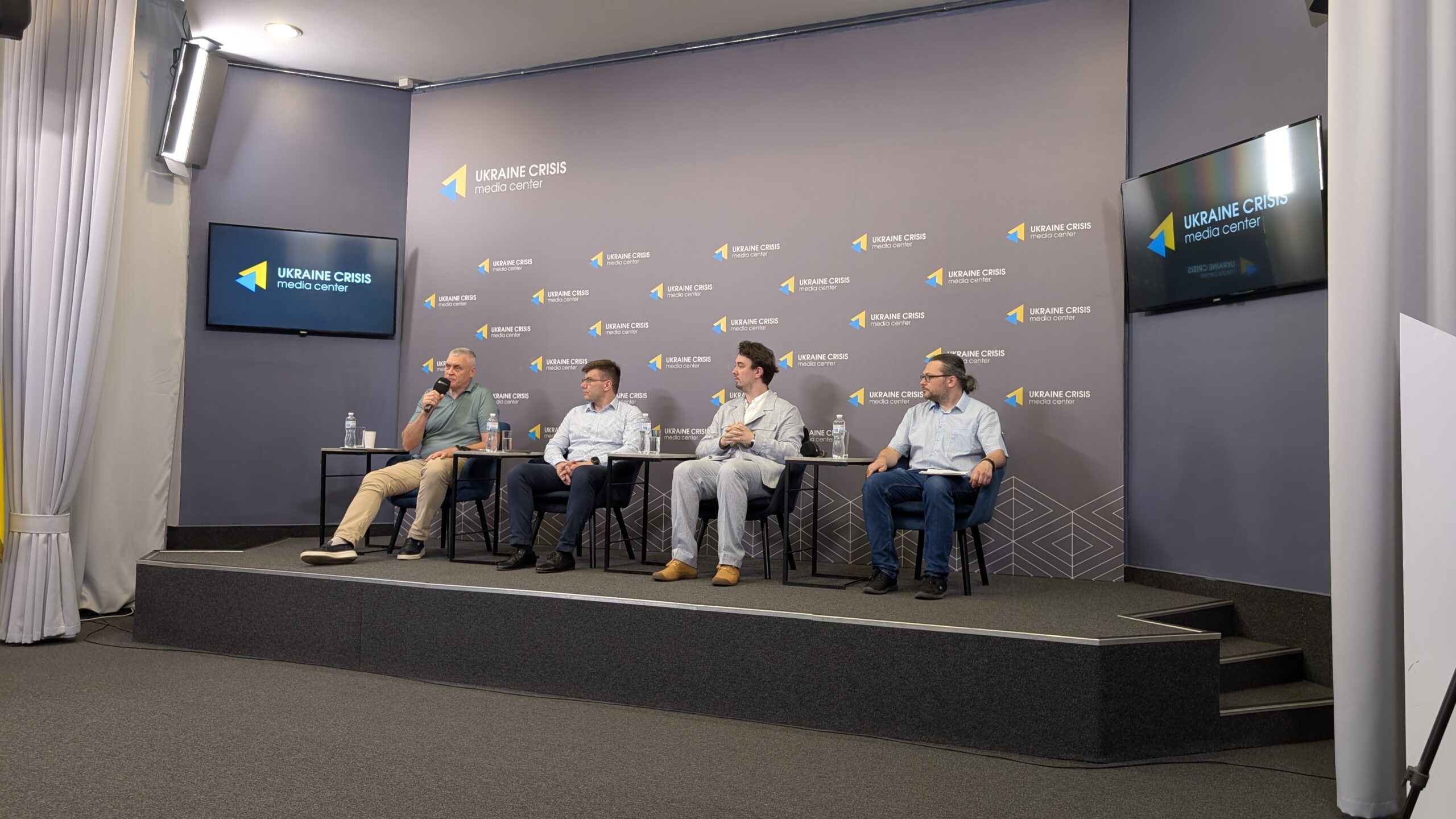
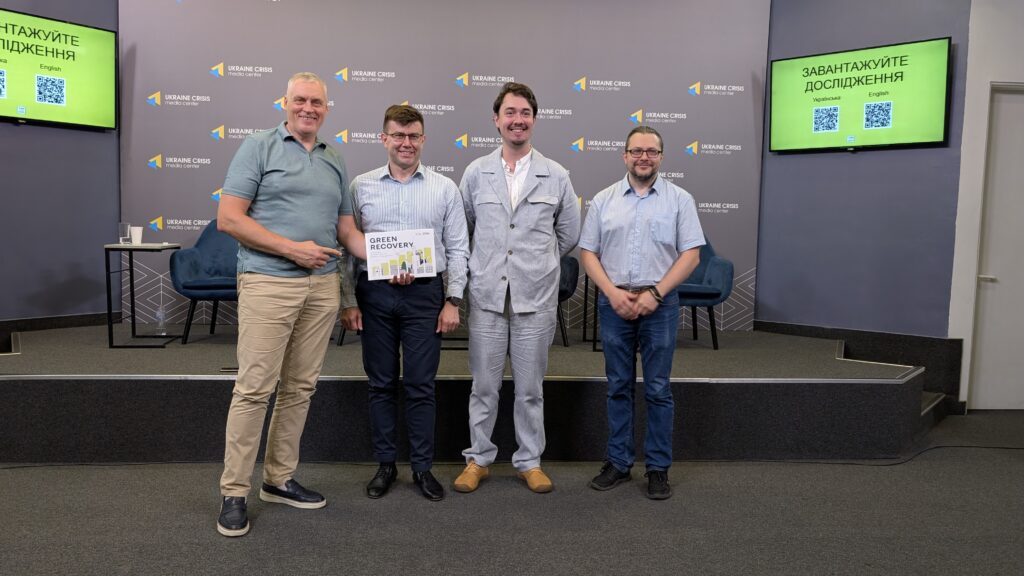
On 7 July 2025, experts gathered at the Ukraine Crisis Media Center to present the study “Green Recovery”. This project is the result of the work of the visual agency Top Lead with the analytical support of the Ukrainian Wind Energy Association and many partners. The study shows how renewable energy sources, in particular wind energy, can help Ukraine to become energy-independent, create new jobs and move closer to European standards of sustainable development.

Why is this important? Because green reconstruction is not only about ecology, but also about how to make our power system resilient, attract investment and support communities. And it is also a chance for Ukraine to show the world that we can rebuild better than it was before, on the “build back better” principle.

What did the experts say?
Yevhenii Kontorshchykov
, UWEA analyst, explained why wind energy is one of the main tools for change:

Wind energy is one of the key drivers of Ukraine’s green reconstruction. This study clearly shows that it is not only clean electricity, but also the decentralisation of the power system, which is critically important in today’s conditions. The development of wind parks means new jobs, especially in the regions, the attraction of long-term international investment and a significant contribution to the development of local communities. Ukraine possesses enormous wind potential, and our task, as a specialised association, is to facilitate its realisation as much as possible”.

In turn, Yevhen Lapchenko, Head of Regulatory Affairs at DTEK Renewables, added how decentralised energy can protect our country:

DTEK Renewables sees green recovery as extremely important for Ukraine. After all, decentralised generation, in particular wind farms, as well as energy storage facilities, are capable of strengthening the country’s energy security. Due to their dispersal across a large territory, they make the power system more resilient to shelling. And it is precisely such studies that help to demonstrate the industry’s successes and the problems that must be overcome together in order to ensure the sustainable development of Ukrainian energy”.

What is in the study?

  • On 28 pages, you will find clear information with infographics about:
  • What green recovery is and how it can help Ukraine.
  • How European integration accelerates the transition to green energy.
  • What potential renewable energy sources (RES) have and what opportunities exist for investors.
  • Where to find money for green projects – in Ukraine and abroad.
  • Real examples of communities and companies that are already implementing sustainable solutions.

Download the study right now:

The recording of the press conference is available at: YouTube

This project became a reality thanks to the cooperation of many teams:
Author:
the visual agency Top Lead
With the support of: DTEK Renewables
Patrons: Helios Strategia, Elementum Energy, Agrosem
General analytical partner: DiXi Group, the Green Transition Office, Energy Map
Analytical partner: the Ukrainian Wind Energy Association (UWEA)
Communication partners: the Ministry of Environmental Protection and Natural Resources of Ukraine, the Solar Energy Association of Ukraine, the All-Ukrainian Investment Agency.

The Cash-Basis Method as a Last Safeguard: Renewables Associations Sound the Alarm Over the Risk of Market Collapse

On 1 July 2025, Ukraine’s leading energy associations, in particular the Ukrainian Wind Energy Association, the European-Ukrainian Energy Agency, the Ukrainian Association of Renewable Energy and the Solar Energy Association of Ukraine, sent an urgent appeal addressed to the Prime Minister of Ukraine Denys Shmyhal, the Minister of Energy Herman Halushchenko and the Head of the Verkhovna Rada Committee on Finance, Tax and Customs Policy Danylo Hetmantsev, in which they called for the urgent resolution of a taxation-related issue that could significantly affect the entire energy market of the country amid war and a financial crisis.

The essence of the problem: The threat of abolishing the cash-basis method

The central issue is a temporary provision of the Tax Code (paragraph 44 of subsection 2 of section XX), which allows energy companies to determine their VAT tax liabilities on a cash basis. In simple terms, companies pay VAT not at the moment of supplying electricity, but only after receiving real money for it. This mechanism is an effective tool for balancing financial flows and minimising risks, especially in conditions where the market is suffering from multi-billion chain debts.

The validity of this provision expires on 1 January 2026. An attempt to extend it until 2028 through amendment No. 69 to draft law No. 13157 is currently blocked. As the associations note, the relevant Verkhovna Rada committee did not support this initiative due to the absence of an official position on the part of the Cabinet of Ministers. Such uncertainty creates enormous risks for all market participants and has a negative impact on the investment climate in the energy sector.

The scale of the debt crisis

To emphasise the criticality of the situation, the associations cite up-to-date data on debt in the market. As of June 2025, the overall situation looks as follows:

The debt of NPC Ukrenergo to the SE “Guaranteed Buyer” for the service of supporting “green” generation amounts to UAH 16.544 billion. As a consequence, the “Guaranteed Buyer” itself was able to settle with renewables producers for 2022 only at the level of 64.2%. A better state of settlements is observed for 2023 – 99.2%, and for 2024 – 88.9%.

The debt of NPC Ukrenergo to participants in the balancing market reaches almost UAH 13.9 billion.

A double blow to producers

If the cash-basis method is not extended, from 1 January 2026 producers will be forced to charge and pay VAT on the entire amount of electricity that has been supplied but not paid for. This means they will have to pay taxes on money they have not seen. The associations have calculated that this amount could reach one sixth of the total debt, which would lead to the mass formation of tax debts and threaten to halt the economic activity of enterprises.

The situation is complicated by the fact that an analogous provision regarding the payment of corporate income tax on a cash basis for renewables producers already ceased to apply on 1 January 2024. Because of this, companies are forced to include in their income the amounts that the “Guaranteed Buyer” has not paid them, and to pay income tax on them. This leads to the direct draining of working capital and significantly worsens their already difficult financial situation.

A call to action: The responsibility of the authorities and the future of the power system

The energy community is not merely stating the problem, but proposing a specific, two-stage action plan that requires an immediate and coordinated response from the state authorities. This is not just a request for benefits, but a demand to create conditions for the survival of a critically important industry.

The first, urgent step is a legislative “painkiller” that must stop the financial bleeding of enterprises. The associations demand that the Cabinet of Ministers provide a clear, agreed position in support of the legislative changes. This position is the key that will allow the Verkhovna Rada Committee on Finance, Tax and Customs Policy to support amendment No. 69 to draft law No. 13157 on extending the cash-basis method for VAT until 2028. At the same time, the Government must initiate a draft law on the restoration of the cash-basis method for income tax for producers of “green” electricity, thereby eliminating the tax injustice whereby taxes are paid on funds that have not been received.

The second, strategic step is to treat the root cause of the illness, and not just its symptoms. The associations clearly emphasise: “Without resolving this issue [of debts], the extension of the cash-basis method will have a limited effect, as it does not eliminate the root cause of the financial instability of market participants”. That is precisely why the most important demand is the development and implementation by the Government of a comprehensive roadmap for repaying the debt on the electricity market. This should be a systematic, transparent and realistic plan that will restore payment discipline and improve the financial flows throughout the entire sector.

Thus, the energy community is presenting the authorities with a solution backed by the logic of economic expediency and national security. Ignoring these calls threatens not just the bankruptcy of individual enterprises, but the destabilisation of the country’s entire power system, which is the foundation of the national economy and defence capability. The responsibility for preventing such a scenario lies entirely with the state authorities, from whom the market expects urgent and decisive action.