cloud for logo

The Netherlands Enterprise Agency (RVO) Has Supported a New UWEA and Altelaw&Sempra Project

We are pleased to announce that UWEA, in partnership with Altelaw&Sempra, is launching the development of a practical guide for the deployment of energy storage systems in Ukraine, titled the BESS Project Implementation Guide for Ukraine’s Power Sector Recovery and Modernization

Today, Ukraine needs not only the restoration of its energy infrastructure but also its deep transformation in line with the principles of energy security, resilience and decarbonisation. Recognising the importance of this energy transition, it is essential to effectively translate the strategic vision of energy storage into the rapid implementation of projects. Energy storage is now a critically important component of a modern power system and a necessary prerequisite for the large-scale integration of renewable energy sources, wind generation in particular. Without sufficient energy storage capacity, the variability of RES generation limits the development of new energy and creates additional challenges for the stability of the power system. That is precisely why the Ukrainian market urgently needs specialised technical and commercial expertise to remove ambiguity, create a seamless investment environment and lower the barriers to private capital entering the market.

The main goal of this project is to create a comprehensive and practical guide that directly bridges the gap between the theoretical and the practical implementation of energy storage facilities. The project goes beyond policy discussion and focuses on providing practical, investment-grade knowledge for implementation.

The Energy Storage Project Implementation Guide for Ukraine will become a market-ready guide for Ukrainian and international investors and will cover the following topics:

  • regulatory and institutional aspects;
  • market entry mechanisms;
  • business opportunities and potential partnerships;
  • analysis of implemented BESS projects;
  • financial indicators and operating models of storage assets in the electricity market.

The project is designed to run for four months, with the presentation of the guide scheduled for September 2026. The guide will be prepared in Ukrainian and English, in both printed and electronic formats. 

💬 “Energy storage systems (ESS) are not just an additional element of the energy transition — they are its essential prerequisite. Implementing projects on the ground requires specialised technical and commercial knowledge, which, unfortunately, is currently lacking. Our goal in this project is to close the existing gap and provide the information needed to implement energy storage projects,” said Halyna Shmidt, Director for International Affairs at UWEA. 

💬 Ihor Retivov, partner at Altelaw&Sempra and head of the UWEA Committee for the Development and Implementation of Energy Storage, added: “At UWEA, understanding the importance and the promise of energy storage for Ukraine’s power system, we strive to create additional opportunities for the use of energy storage technologies, to make the process of development, financing, construction and operation unambiguous, and to provide the owners of such assets with recommendations on commercial activity and profitability planning. In our view, such a project can resolve a significant number of questions on the part of investors and make the expected results realistic, without any ‘energy’ romanticism.”

We are sincerely grateful to the Embassy of the Kingdom of the Netherlands and the Netherlands Enterprise Agency (RVO) for supporting this initiative, for understanding the challenges that Ukraine’s power system faces today, and for recognising the importance of strengthening Ukraine’s energy resilience amid unprecedented challenges and instability.
UWEA Board Chairman on the Challenges and Prospects of Renewables in Ukraine

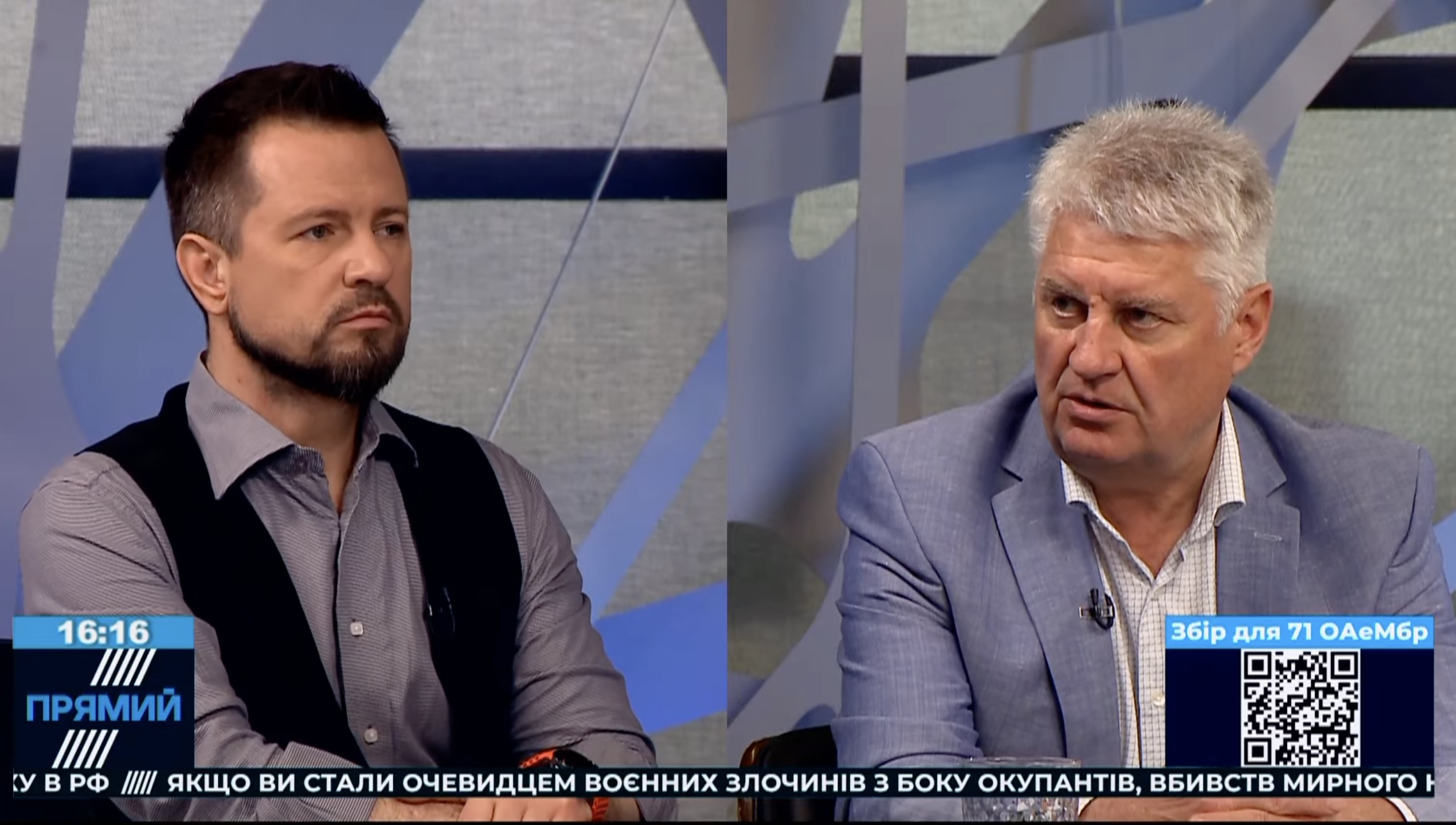
On the Pryamiy TV channel, Andriy Konechenkov, Chairman of the UWEA Board, spoke about the key realities, challenges and prospects for the development of renewable energy in Ukraine. Among the topics discussed were:

  • the construction of new wind farms and attracting investors under wartime conditions;
  • changes to the market rules, increasing quotas at “green” auctions and the development of energy storage systems;
  • the problem of debt in the energy market, transmission tariffs and the need for a stable regulatory policy;
  • distributed generation and how wind and solar help to balance the power system;

They also discussed why local energy sources, in particular, will become the foundation for a resilient reconstruction and for attracting investment into the economy of Ukrainian communities.

You can watch the full interview at the following link:

Ukraine’s Economy of the Future: The Energy Dimension, Market Liberalisation and the Role of Renewables

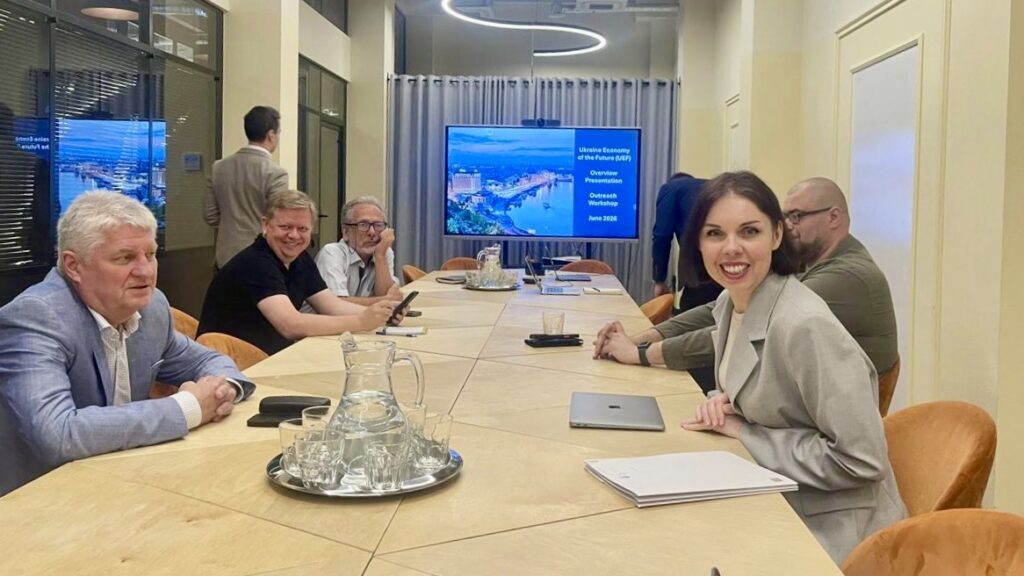
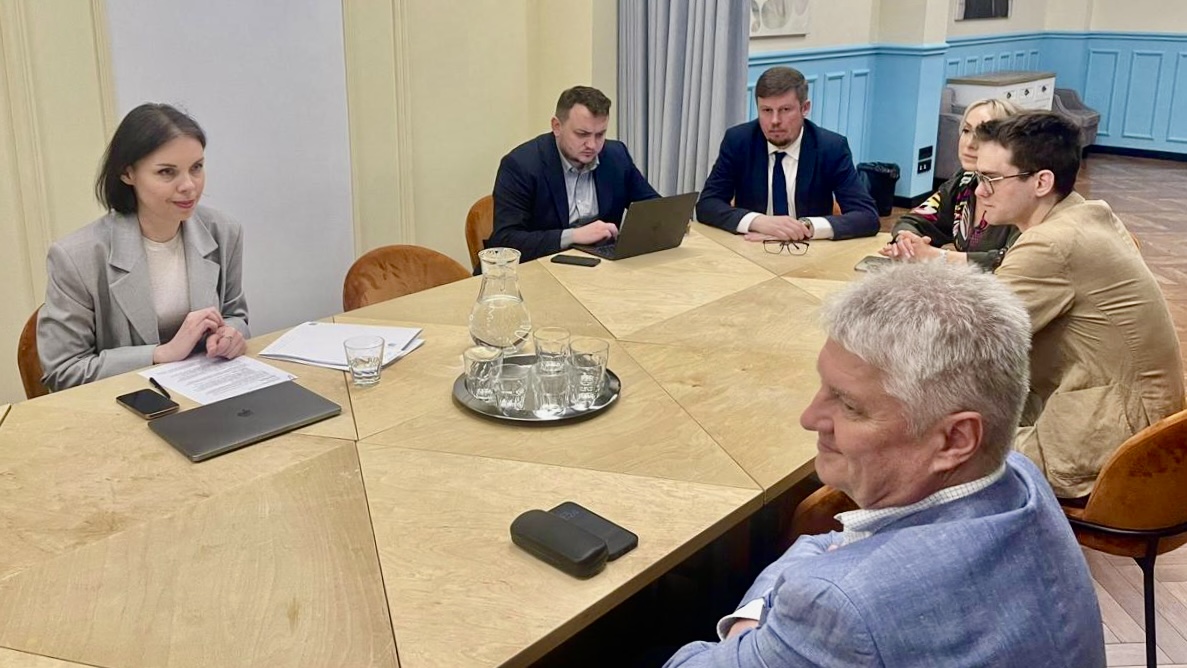
On 2 June 2026, UWEA Board Chairman Andriy Konechenkov took part in a working meeting of participants in Ukraine’s energy market, during which Daria Marchak, Deputy Minister of Economy, Environment and Agriculture of Ukraine, presented the draft “Economy of the Future” Strategy. This framework document, developed by the Ministry together with the World Bank, sets out the pathways for Ukraine’s long-term recovery.

According to the presentation, energy is a fundamental component of economic resilience, and renewable energy has been officially designated as one of the nine priority sectors with the highest potential for attracting foreign direct investment.

In order to realise this potential, the authors of the Strategy identify a number of mandatory market and regulatory steps:

  • Liberalisation and market conditions. The document emphasises the need to liberalise the wholesale market, gradually abolish special obligations (PSO) and transition to market-based electricity tariffs. Priorities also include resuming “green” auctions, settling the accumulated debt and achieving full integration with the EU energy market. 
  • Reducing investment risks. To attract private capital, the government will expand its de-risking instruments, among which the RAMP UP programme is highlighted specifically for investments in renewable energy sources. 
  • Decentralisation. Direct investment in decentralised generation is identified as the main tool for ensuring a stable and resilient energy supply. 
  • Priority projects. Wind energy holds leading positions in the indicative list of key government projects. A separate, important emphasis is placed on grid balancing — energy storage projects are singled out as a strategic priority with a total budget of USD 1 billion.

Andriy Konechenkov, Chairman of the UWEA Board, commented on the strategy:

Building the ‘Economy of the Future’ is impossible without a resilient, decentralised energy foundation. The Strategy must take into account that renewable energy is not merely an environmental trend, but a matter of our national security and an industry for billions in investment. But to implement these large-scale projects, we must resolve a number of issues: finally settle the debt crisis in the renewables market, create transparent conditions for investors and complete the liberalisation of the energy market”.

UWEA Took Part in the International Webinar “Energy Industry in Ukraine”

On 19 May 2026, the international online webinar “Energy Industry in Ukraine” took place, organised by the Embassy of Italy in Ukraine, the Italian Trade Agency and the General Confederation of Italian Industry (Confindustria) in cooperation with the Italian association ANIE. The Ukrainian Wind Energy Association was represented at the event by Yevhenii Kontorshchykov, Head of the Analytical Department, with the presentation “Wind Energy as a Key Component of Ukraine’s Power System”.

Despite the unprecedented challenges caused by the Russian invasion, Ukraine’s wind energy sector continues to grow: since the beginning of 2022, 573 MW of new capacity has been commissioned, and total installed capacity has reached 2.2 GW. Given the state’s strategic goal of reaching 6.2 GW of wind generation by 2030, the Ukrainian market opens up broad prospects for Italian partners, who have access to various avenues of cooperation: from developing greenfield projects and creating joint ventures to acquiring ready-made assets. In addition, the large-scale expansion of the sector creates high demand for services across the entire supply chain — from engineering and construction to specialised logistics and maintenance.

“The war has not stopped investment, and the record 324.4 MW of new capacity in 2025 is the best proof of developers’ confidence in our market. Ukraine will require a large-scale reconstruction of its power system, in which wind energy is regarded as one of the key technologies. We invite Italian businesses to join the partnership now, so that together we can build a resilient European energy sector”, – Yevhenii Kontorshchykov noted during his speech.

We thank our Italian partners for their reliable support and their interest in restoring Ukraine’s energy infrastructure!

Investing in People: UWEA and Dnipro Polytechnic Join Forces

On 27 April, as part of Energy Storage Day 2026, the official signing of a Memorandum of Partnership and Cooperation took place between the Ukrainian Wind Energy Association and the National Technical University Dnipro Polytechnic. Renewable energy in Ukraine is developing even under wartime conditions. Projects are being implemented, capacities are growing, and with them grows the need for specialists. Universities play a key role here, and it is important to us that there is no gap between education and the real sector.

“The industry is growing, and with it grows the need for specialists who know wind energy from the inside. We want Ukrainian universities to be part of this process – not somewhere on the sidelines, but at its very centre. The partnership with Dnipro Polytechnic is exactly about this”, – emphasised UWEA Board Chairman Andriy Konechenkov.

The Memorandum outlines the main areas of cooperation: the joint development of educational programmes in wind energy, holding lectures and practical classes with the participation of industry experts, as well as facilitating the involvement of students in renewable energy projects. Among other things – popularising wind energy among young people and organising familiarisation visits to operating facilities in the sector.

“Ukraine’s modern power system is developing extremely dynamically, and the role of universities in training the relevant specialists is becoming increasingly decisive. The real technical and business challenges of the industry can only be solved through close cooperation between the university community and leading employers. That is precisely why the partnership with the Ukrainian Wind Energy Association is an important step towards new approaches to training competent personnel for the power sector”, – noted Oleksandr Aziukovskyi, Rector of Dnipro Polytechnic.

We thank the university for its cooperation and its readiness to move towards the industry. There is much joint work ahead.

Training of Personnel as a Key Challenge for Renewables: Outcomes of the UWEA Discussion at WindEurope 2026

On 21 April 2026, as part of the WindEurope Annual Event 2026 in Madrid, UWEA organised the panel discussion “Human Capital – the Key to the Development of Renewables in Ukraine”, dedicated to the role of human capital in the development of the renewable energy sector.

The discussion was moderated by Ivan Bondarchuk, First Deputy Chairman of the Board of the Ukrainian Wind Energy Association and partner at LCF Law Group. Representatives of development companies, international equipment manufacturers and personnel-development experts – UWEA members – took part in the discussion.

According to Alina Shyshkina, Deputy Executive Director of ETG.UA, for small and medium-sized projects with a capacity of up to 100 MW in Ukraine, a sufficient basic personnel resource in the field of construction currently remains. At the same time, the market is already experiencing a noticeable shortage of specialists in more complex segments – in particular in engineering, electrical works, commissioning and the operational management of wind farms. As a result, the availability of qualified personnel is increasingly being taken into account by developers and investors as a separate risk when making investment decisions and reaching the FID stage.

Olena Umanets, Director of Navitas Renewables Ukraine, stressed that Ukraine’s renewable energy market needs to scale up local teams to handle the growing volume of new projects, in particular the portfolio planned for construction from 2027. At the same time, the level of qualification and practical experience of personnel remains a key challenge, as it directly affects the quality and timing of project implementation. In this context, the development of local training and specialist-preparation programmes in Ukraine should become a priority for the market.

Anzhela Pradun, Director of Vestas Ukraine, emphasised that the issues of contractor certification and the expansion of warranty or service obligations are directly linked to risk management and quality assurance. For local companies to be integrated into the company’s service and installation ecosystem, it is necessary to comply with clearly defined technical and safety standards, complete certified training programmes, have a proven track record of project implementation, maintain effective HSE processes, and undergo regular audits and quality control. Provided these conditions are met, Vestas is open to certifying local contractors and deepening cooperation with them.

In turn, Sara Petriser-Hansen, head of the Danish organisation Mentor to Impact, stressed that the development of renewable energy sources depends inextricably on the high-quality training of specialists for the sector, with an emphasis on educating students and re-skilling professionals who are transitioning into the renewable energy sector. According to her, the key to solving the personnel issue lies precisely in consolidating the efforts of all market participants — from state institutions and private companies to the public sector.

Summing up the discussion, Ivan Bondarchuk noted that the development of renewable energy in Ukraine increasingly depends not only on financing or the regulatory environment, but also on the availability of high-quality human capital. According to him, the market is already facing constraints in the availability of qualified personnel, which is beginning to affect implementation timelines and project economics, and therefore must be taken into account as a fully fledged risk factor. At the same time, an effective response to this challenge is possible only through the coordinated cooperation of all market participants – with a focus on the systematic development, training and re-skilling of personnel in Ukraine.

UWEA at the 100 gREen AWARD-2025: Congratulations to Our Member Companies!

Last week, on 17 April, Kyiv hosted an event that has already become a landmark for Ukraine’s renewable energy market — the official 100 gREen AWARD-2025 ceremony. For the first time in Ukraine, a national award was established to recognise the best implemented projects of the green transformation – in wind energy, solar generation, energy storage, bioenergy and energy efficiency.

This year, the laureates were 18 projects from various corners of Ukraine — from industrial enterprises to university campuses, from municipal water utilities to wind farms in the Carpathians. They all share one thing in common: these are not plans and concepts, but real, implemented solutions that are already changing the country’s energy map today.

UWEA is one of the co-founders of Global 100 RE Ukraine – a platform that unites leading industry associations to drive Ukraine’s transition to 100% renewable energy. That is why we are doubly pleased to announce that among the 18 laureates, as many as five UWEA member companies received awards.

Wind Parks of Ukraine — Nyzhni Vorota Wind Farm
“Leader of the region’s wind energy transformation”

This award is for courage and persistence. The Nyzhni Vorota wind farm became the first wind farm in the history of Zakarpattia – a region where wind energy had previously been present only on potential maps. Implementing such a project under the conditions of a full-scale war is, in itself, a testament to the team’s resilience and its faith in the future of Ukrainian energy.

VOLTAGE Group – Megawatt-class industrial energy storage
“Leader in energy storage in industry”
If wind and solar generation are the heart of renewable energy, then energy storage is its nervous system. VOLTAGE Group has implemented a megawatt-class industrial energy storage facility for the in-house needs of a manufacturing company, combining renewable generation with the stability of the production process. It is precisely such projects that show that green energy is no longer only about ecology, but also about the reliability and economics of a business.
Atlas Global Energy — wind farm, 63 MW, Lviv region
“Best investment project in wind energy”
63 MW of installed capacity in the Lviv region – and that under conditions of active hostilities in the country. The Atlas Global Energy project became a convincing signal to the international community: Ukraine remains a market for large-scale investments in renewable energy. Such projects are not only about megawatts, but also about trust, reputation and future opportunities for the entire industry.
GREEN SYSTEM — A network of solar stations for 10 kindergartens “Best clean-energy project for preschool education”
The energy independence of educational institutions is not only about renewable energy, but first and foremost about the safety of children and the stable operation of social infrastructure even during outages. 10 kindergartens of the Bucha and Myrhorod communities will receive electricity from solar power. For more reliable energy supply, the solar systems were installed together with GREEN SYSTEM energy storage systems. This is an example of how technology already serves communities today – where it matters most.

KNESS – An energy storage portfolio with a total capacity of over 140 MWh
“Leader in energy storage” / enhancing power-system flexibility

Rounding off our five winners is KNESS – with one of the largest energy storage portfolios in Ukraine. 7 storage facilities have already been commissioned, and since October 2025 they have been providing ancillary services to the power system. This is not a pilot or a test – it is full-fledged new infrastructure that increases the flexibility of the grid and opens up room for the further scaling of renewable generation.

Five different projects, different directions — but one shared logic: to build the Ukrainian energy of the future today, despite everything.

We sincerely congratulate the teams of Wind Parks of Ukraine, VOLTAGE Group, Atlas Global Energy, Green System and KNESS on their well-deserved recognition! We are proud that such companies are part of UWEA, and we are confident that this is only the beginning of a long journey.

Vestas Held Its First Seminar for Lecturers of the Ivan Puluj Ternopil National Technical University

As part of the memorandum of understanding and cooperation signed between the Ukrainian Wind Energy Association and the Ivan Puluj Ternopil National Technical University on 6 April 2026, the very first practical step has already been taken – a training seminar was held for lecturers of the Department of Electrical Engineering, the Department of Computer-Integrated Technologies and the Department of Road Transport and Logistics.

It was delivered by the world leader in the manufacturing of wind turbines — Vestas. Over the course of six hours, the university’s lecturers had the opportunity to deepen their knowledge of wind energy technologies – from the evolution of wind energy installations and the technical specifications of various platforms, to the main components of a turbine, safety systems, hydraulics, control and SCADA communications.

The seminar was led by Alfredo Jose Martinez, an instructor at the Vestas MED Service & Construction academy — a specialist with many years of experience in the maintenance and construction of wind farms.

Andriy Konechenkov, Chairman of the UWEA Board: 

“The development of wind energy in Ukraine is impossible without the high-quality training of specialists. The signing of the memorandum with TNTU is our joint contribution to the industry’s human capital. When leading global manufacturers, such as Vestas, pass on their knowledge directly into university classrooms, we lay the foundation for an entire generation of Ukrainian specialists in the field of wind energy.”

Anzhela Pradun, Director of Vestas Ukraine, noted:

“The development of Ukrainian human capital is one of Vestas’s strategic priorities. In partnership with the Ukrainian Wind Energy Association, Vestas has taken an important first practical step towards achieving this goal.

The company was inspired by the considerable interest demonstrated by the university community and by the high level of engagement during the seminar, which was reflected in the thorough and substantive questions from the participants.

Vestas remains open to further cooperation in disseminating knowledge and training in the field of wind energy, as well as to joint efforts to up-skill and re-skill Ukrainians as wind energy technicians, supporting the reconstruction of Ukraine and its transition to a sustainable, resilient and energy-independent future.”

Vadym Koval, Head of the Department of Electrical Engineering at the Ivan Puluj TNTU:

“For our university, cooperation with a world leader in wind energy is a unique opportunity to bring the educational process closer to the real requirements of the industry. The Vestas seminar demonstrated how rapidly technologies are developing, and how important it is to train specialists who will be able to work with modern equipment right away. We strive to ensure that our graduates not only have a theoretical foundation, but also understand the practical aspects of operating wind turbines — from safety to digital control systems. This partnership opens up new prospects for upgrading our laboratory facilities, introducing specialised courses, modernising our curricula and creating a genuine hub for training wind energy personnel in Ukraine.”

Building a strong link between educational institutions and the real sector of the economy is one of the main priorities for the sustainable development of the industry. The memorandum between UWEA and TNTU provides for further systematic cooperation in the areas of training and the development of human capital in the field of renewables in Ukraine. This will allow Ukrainian universities to integrate practical case studies into their curricula, keep pace with the most modern renewable energy technologies and train specialists who will meet the current requirements of the market.

UWEA extends its special thanks to Vestas for its proactive stance and support. It was Vestas that took the initiative to join the process and share its expertise. Such support from a world leader in wind energy is an excellent example of how responsible business helps to shape a new generation of energy professionals who will rebuild our power system!

Wind Energy Could Become the Foundation of the Baltic States’ Energy Security

Wind Works is the name of the largest wind energy conference in the Baltic region, held annually by three wind energy associations from the Baltic states. At the centre of attention of this year’s event, which was successfully held on 9 April in the Latvian capital, Riga, were questions dedicated to the role of wind energy in the energy security of these countries.

In close cooperation with the Latvian transmission system operator AST and with the participation of NPC Ukrenergo, the strategic and practical aspects of strengthening energy resilience in the Baltic region were examined, along with the experience Ukraine has gained since the start of the hostilities unleashed by Russia against our country.

Wind energy could become the foundation of the Baltic states’ energy security, strengthening independence from energy imports and geopolitical processes. “Local” energy sources also help to reduce electricity prices for consumers – this was discussed by industry experts from Latvia, Estonia, Lithuania and other European countries.

Dialogue with citizens about the need to develop wind energy is one of the challenges for the development of the industry in Latvia, – said Kaspars Melnis, Minister of Climate and Energy of the Republic of Latvia. – The current European energy crisis makes it possible to better explain the need to produce energy in Latvia using local energy sources, which would help to preserve independence from fluctuations in energy prices caused by geopolitical events.” Underscoring the importance of cooperation between the Baltic states in ensuring energy security, in particular regarding the repair of infrastructure damage, he stressed: “We have NATO standards that are the same for everyone. Perhaps we should talk about standards in energy?”, the minister emphasised.

Ukraine’s experience in ensuring energy resilience proved to be of interest to the conference participants. Andriy Konechenkov, Chairman of the Board of the Ukrainian Wind Energy Association, explained that Ukraine’s energy policy was for a long time influenced by the legacy of the USSR. Its main principle was centralisation – a single system on the scale of the entire state. However, the annexation of Crimea in 2014 and the armed conflict in Donbas forced a reconsideration of this strategy, including the start of the construction of wind farms.

With the start of the full-scale invasion, Russia has been systematically attacking Ukraine’s energy infrastructure. All thermal power plants in Ukraine have at this point either been damaged or completely destroyed. Millions of Ukrainians were left without electricity and heating in winter, hospitals switched to generators, and cities lived according to outage schedules. This is what a centralised system looks like in the modern world”, – noted Andriy Konechenkov.

He emphasised that, due to the dispersal of wind turbines across the territory of a wind farm, destroying an entire wind farm would require a number of missiles that makes such a strike pointless from a military point of view – unlike a thermal power plant, which is a single complex where damage to a turbine or a substation leads to the loss of the generating capacity of the entire facility.

Moreover, each turbine is an autonomous generator: damage one – and the system keeps working. This is precisely distributed resilience. Decentralisation as a principle of security – and it is precisely this principle that we are now deliberately placing at the foundation of Ukraine’s new energy strategy”, – emphasised Andriy Konechenkov.

During the international wind energy conference “Wind Works 2026”, a memorandum was also signed on the creation of a Strategic Baltic Alliance, the aim of which is to accelerate the development of green energy in the region. It was signed by several international companies, in particular from Germany, Finland and Denmark. One of the most important areas of development is the project to build a hydrogen production plant in Liepaja, which could significantly influence the development of energy in the Baltic Sea region.

The Most Powerful Wind Turbines in Ukraine: UWEA Visited the Skole Wind Farm by Atlas Global Energy

Despite all the challenges of the full-scale war, Ukrainian wind energy continues to develop and to attract international investment. The Skole wind farm project in the Lviv region is a vivid example of how advanced technologies contribute to building the new energy sector in Ukraine.

The uniqueness of this wind farm lies in its scale and innovativeness: the project comprises 9 Nordex N163 wind turbines with a capacity of 7 MW each, which makes them the most powerful in Ukraine to date! The total capacity of the station reaches 63 MW, and its launch demonstrates a clear course towards developing a modern, decentralised power system. All of this became possible thanks to Atlas Global Energy, which has been operating on the Ukrainian market since 2016 and has a portfolio of wind and solar power projects exceeding 300 MW.

Atlas Global Energy regards Ukraine as one of its strategic markets for long-term development. The combination of their experience, investment capacity, cooperation with local communities and local partnership is shaping a new model of our energy sector – resilient and attractive for investment.

Andriy Konechenkov, Chairman of the UWEA Board, shared his impressions of the visit:

“This project, implemented by the Turkish company Atlas Global Energy, is truly a landmark one. Thanks to it, Ukraine has obtained wind turbines of record unit capacity – 7 MW each, and we have never had such a scale before. I want to sincerely thank our Turkish partners: despite the war and all the current challenges, you are investing in wind energy. Today this is the most resilient and critically necessary technology, which helps to overcome the energy crisis in Ukraine.”

Onur Kopcuoglu, Director of Atlas Global Energy, noted:

“We are extremely pleased to welcome the leadership of the Ukrainian Wind Energy Association. The Skole wind farm is our first investment in Ukrainian wind energy, so it holds special significance for us. We are proud of the successful completion of the construction and of being able to support the Ukrainian economy now. Our company plans to continue staying here in order to implement new renewable energy projects in the coming years.”

The Skole wind farm project once again confirms: Ukraine is capable of implementing large, modern energy projects, integrated into the European context of clean energy development. Let’s move towards energy independence together!