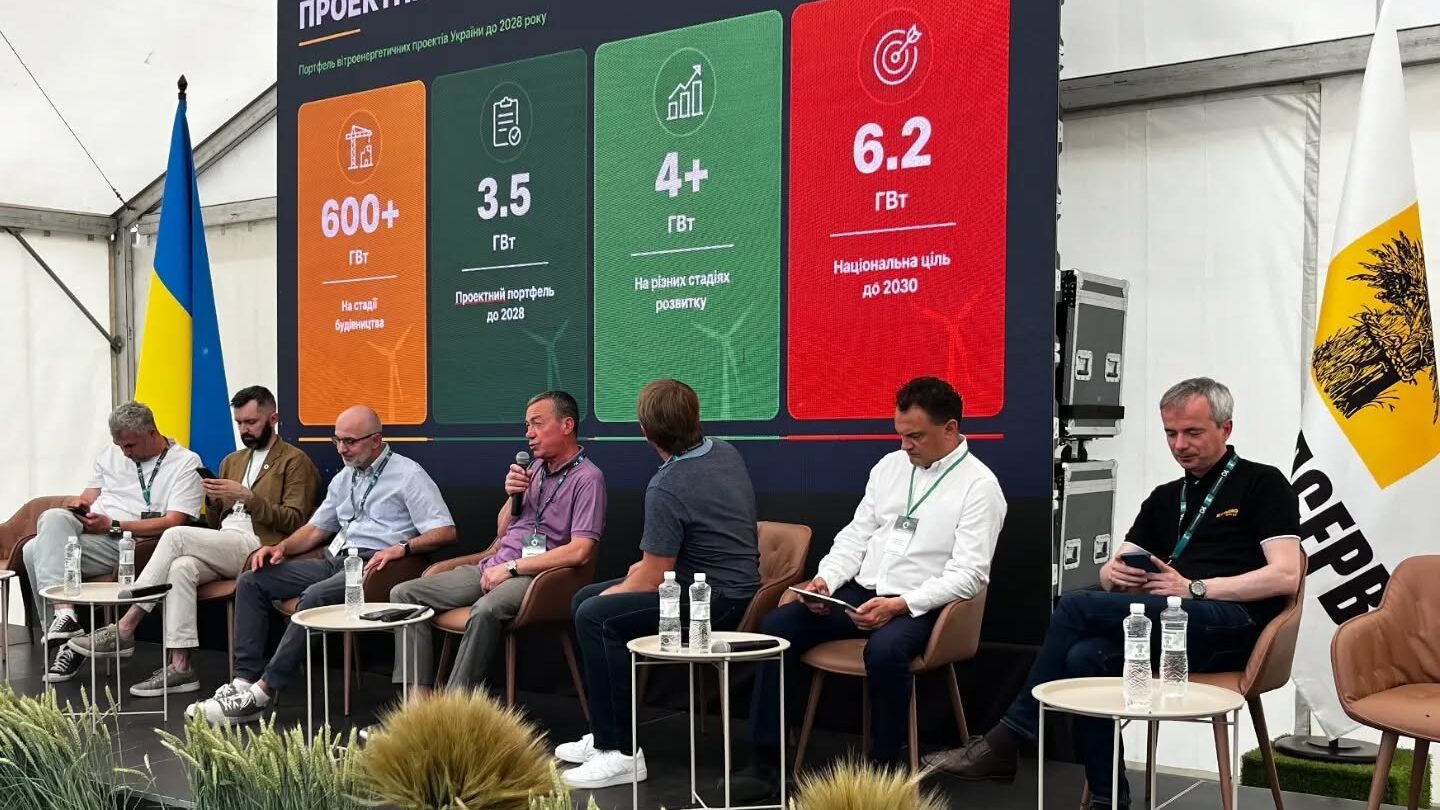
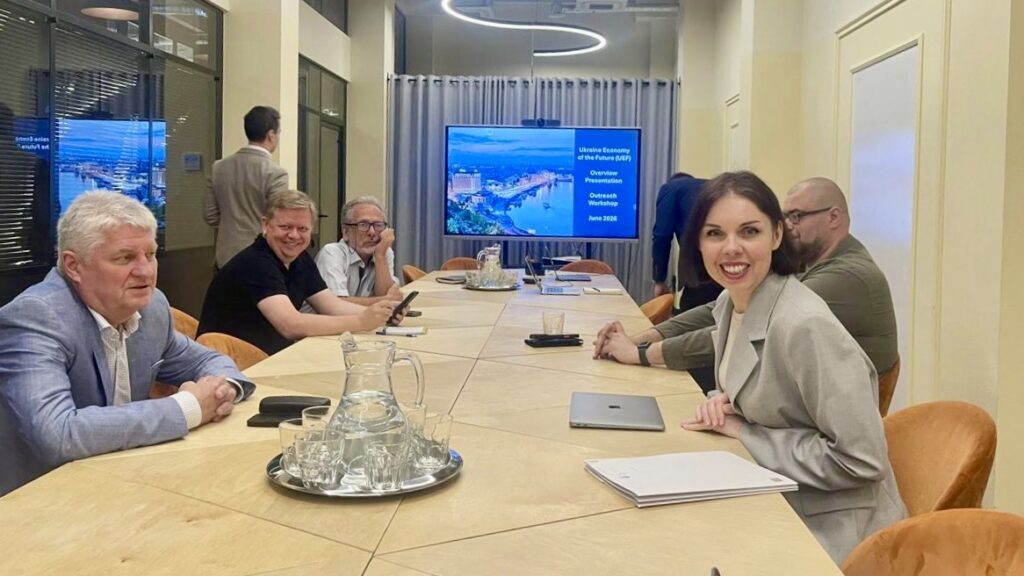
The Ukrainian Wind Energy Association (UWEA) participated in the Ukraine Recovery Conference (#URC2026), held on June 25–26, 2026, in Gdańsk. The conference became one of the key international platforms for shaping the architecture of Ukraine’s post-war recovery.
The Association was represented by Chairman of the Board Andriy Konechenkov, First Deputy Chairman of the Board Ivan Bondarchuk, Chair of UWEA’s Legal Committee Olha Savchenko, and Board Member Galyna Shmidt. They took part in a series of high-level discussions focused on energy security, investment, and decentralized generation.
This year, energy was one of the central tracks of URC, with wind energy highlighted as one of the fastest and most scalable tools for strengthening the country’s energy resilience.
The updated vision of Ukraine’s Energy Strategy, presented on the sidelines of URC 2026 and currently being developed by the Ministry of Energy of Ukraine together with the World Bank, aims to restore the country’s installed energy capacity to the pre-war level of 54 GW.

“Ukraine is building a new energy system adapted to the challenges of the 21st century. Ukraine’s strategic ambition is to restore the 54 GW of installed capacity that we had before 2014. This capacity should be ensured by: 50% nuclear energy, 30% renewable energy sources, and 20% new gas generation and modernized thermal energy,” stated First Deputy Prime Minister of Ukraine and Minister of Energy of Ukraine Denys Shmyhal.
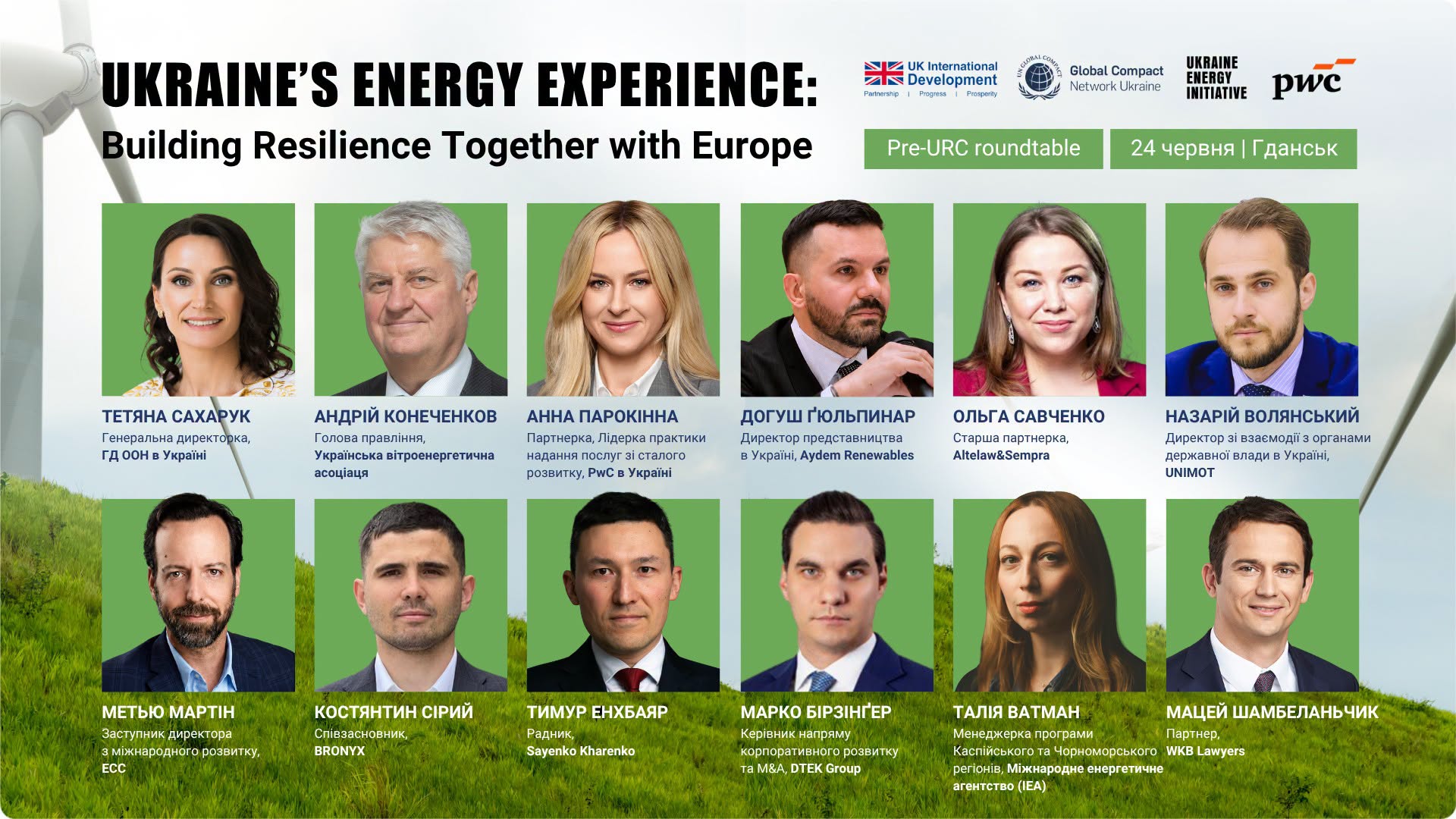
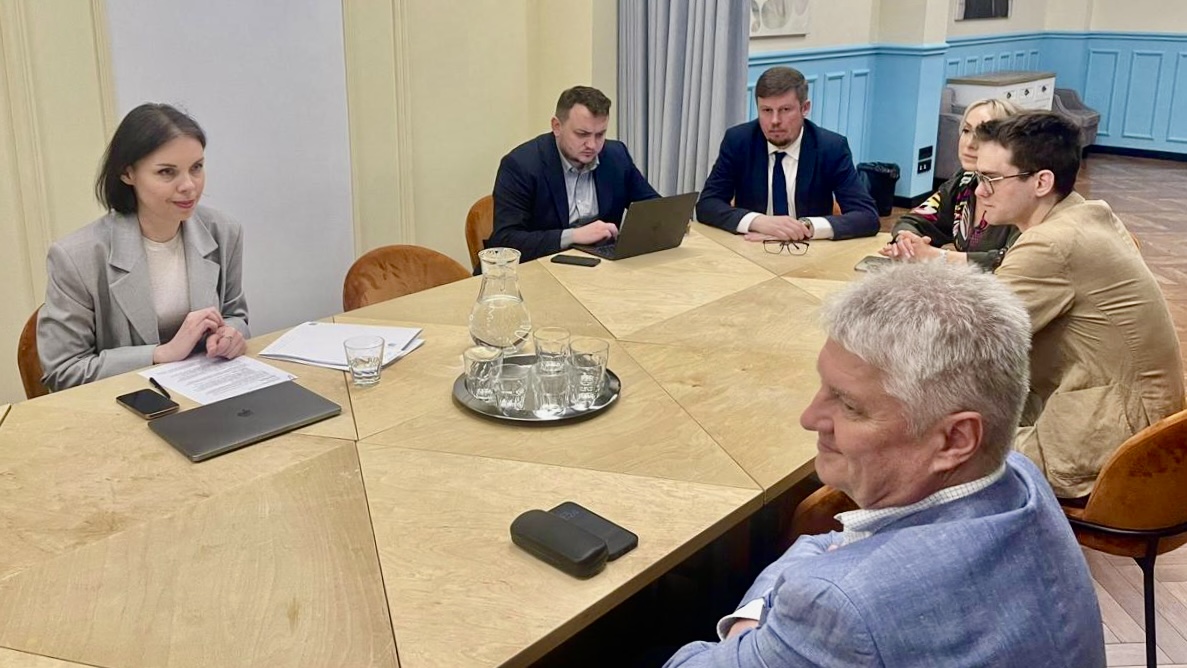
On the eve of the conference, on June 24, an international roundtable titled “Ukraine’s Energy Experience – Building Resilience Together with Europe” took place in Gdańsk. Organized by United Nations Global Compact Ukraine in partnership with the UK Foreign, Commonwealth & Development Office and supported by PwC Ukraine, the discussion focused on enhancing energy system resilience and accelerating investment scaling.

In his speech, Andriy Konechenkov emphasized that without updating market rules, the scaling of wind energy and other renewable technologies will remain limited despite strong investor interest.

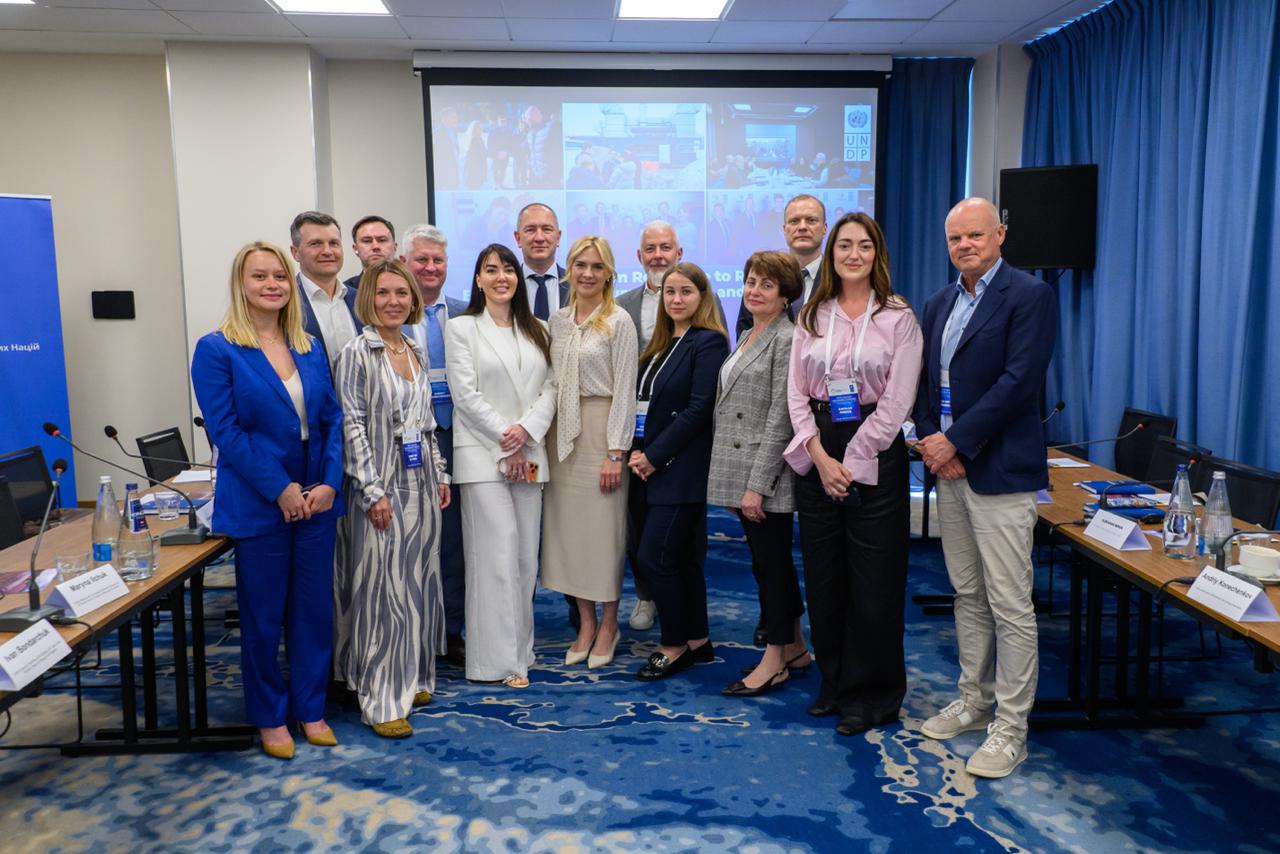
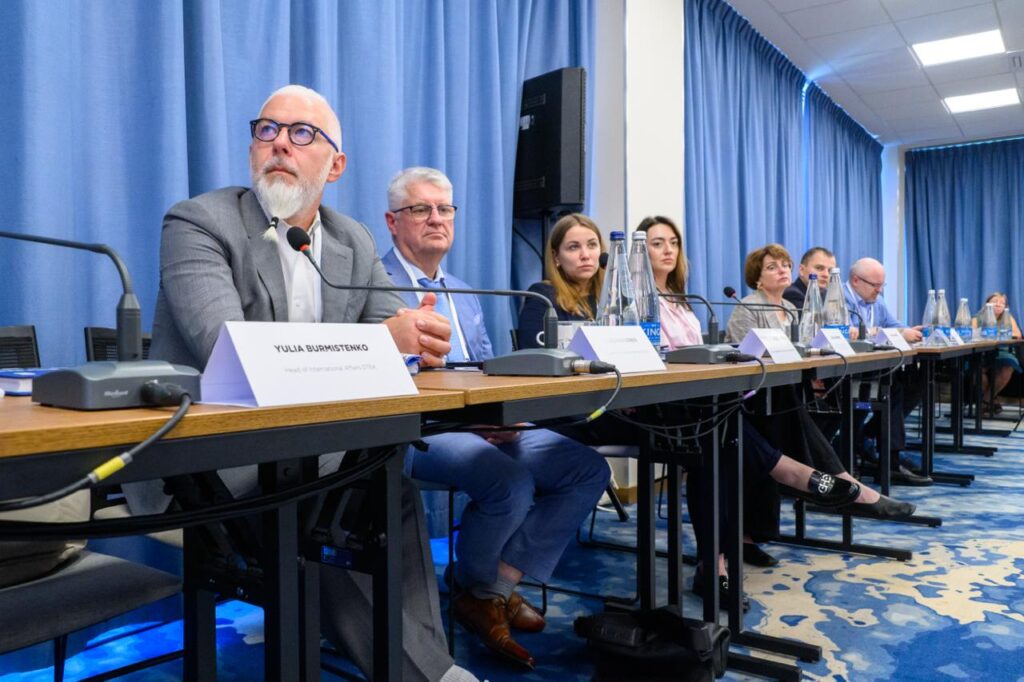
As part of the conference’s main program, UWEA Chairman Andriy Konechenkov joined the panel discussion “From Resilience to Recovery: Energy Systems, Human Capital and Investment for Ukraine”, organized by UNDP Ukraine. The discussion focused on transforming Ukraine’s energy system from crisis response to long-term recovery. A key emphasis was placed on the role of distributed generation – particularly wind energy – as a cornerstone of energy resilience.

On June 25, UWEA also participated in the discussion “Ukraine’s Missing Link: How Local Energy Ambition Meets Investment”, initiated by the Ukraine Facility Platform. The focus shifted to the practical level: how to turn local community energy initiatives into bankable projects. Speaking on behalf of UWEA, First Deputy Chairman Ivan Bondarchuk stressed that: “Investor interest alone is not sufficient to launch new energy projects at the municipal level. Equally important is a transparent and predictable cooperation model between private capital and municipalities.”
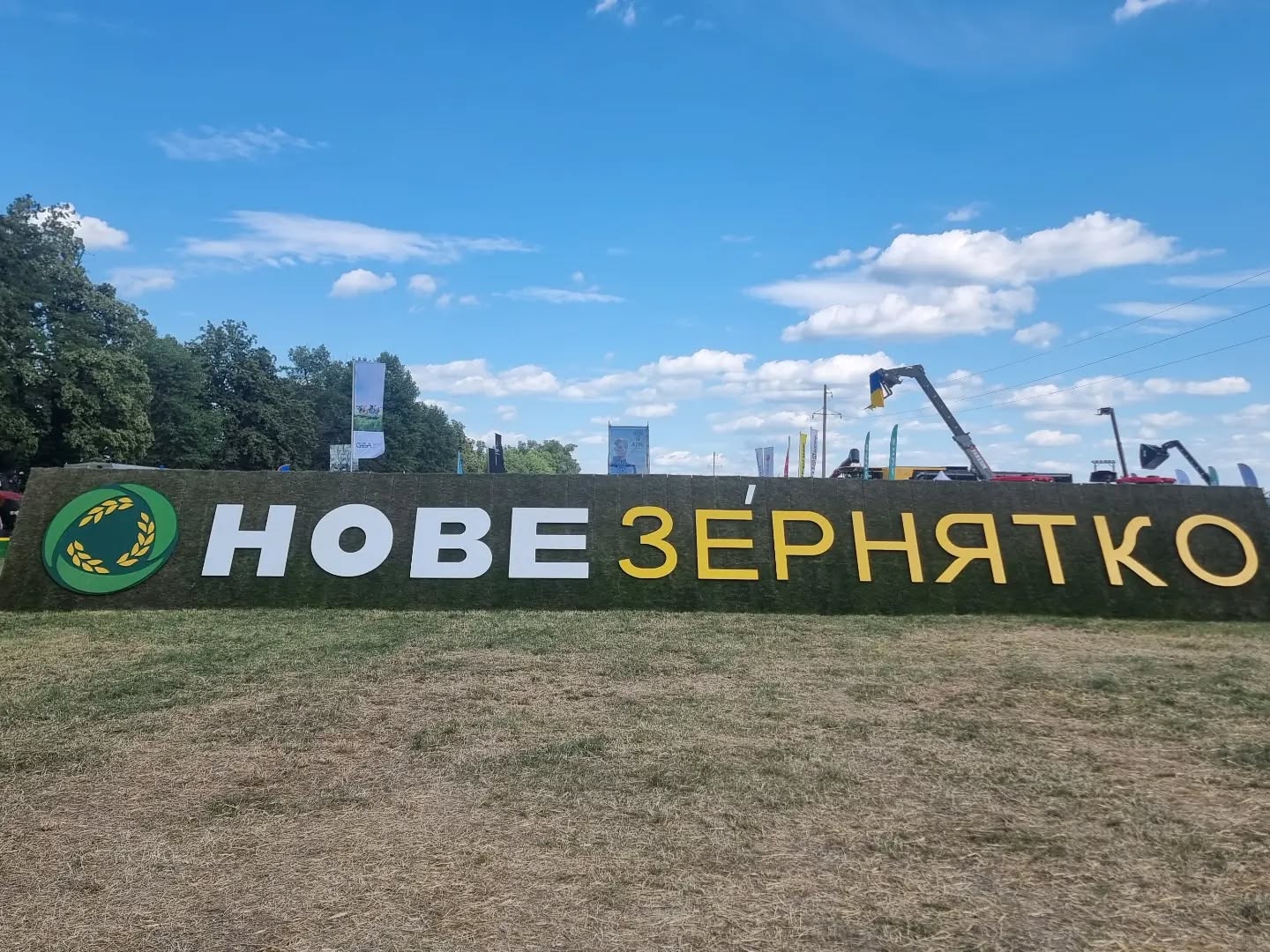
Another important venue was the exhibition area at Gdańsk International Fair AMBEREXPO, where DTEK Renewables, Wind Parks of Ukraine, and KNESS presented their stands. Here, energy discussions moved beyond panel sessions into the realm of real negotiations, projects, and partnerships.
Today, energy security is one of the key challenges for both Ukraine and Europe. In wartime conditions, the resilience of the energy system is directly linked to national security, economic stability, and future development.

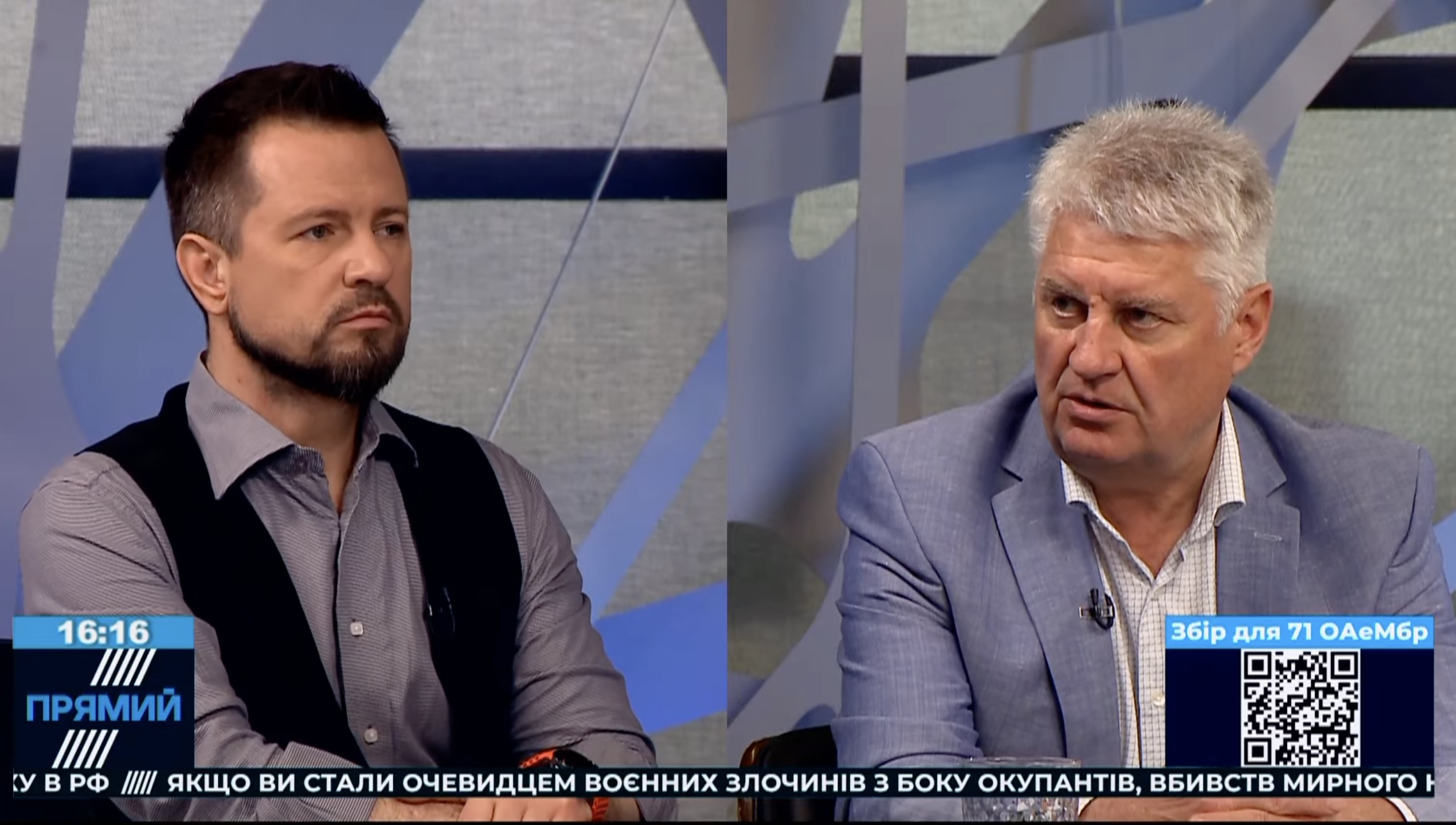
Speaking to the Polish Press Agency (PAP), Olha Savchenko shared insights on Ukraine’s experience, industry challenges, and prospects for international cooperation:
“Today, energy security stands alongside physical security and national defense capability. In wartime, it is no longer only an economic or energy issue – it is a matter of national security. Despite the full-scale war, the sector continues to develop, and nearly 500 MW of new wind capacity is expected to be commissioned this year alone. We are ready to share this experience – from streamlining permitting procedures to simplifying land allocation and grid connection processes. All of this can help accelerate new energy projects and strengthen the energy resilience of Poland and the entire region.”
At the same time, one of the most significant achievements of URC 2026 was not only the discussions but also the concrete outcomes: Ukraine signed 28 international agreements in the energy sector, while the total volume of agreed financing for energy projects reached nearly EUR 2 billion.
URC 2026 effectively marked a new reality: the recovery of Ukraine’s energy sector has moved beyond planning into the stage of concrete agreements and capital deployment. In this process, wind energy is gradually assuming a systemic role rather than remaining a niche technology.
UWEA is honored to once again participate in this strategically important conference and to be present where decisions are made that shape the future of Ukraine’s energy sector and its recovery.