cloud for logo

Another Kindergarten Has Become Energy-Independent Thanks to Renewable Energy

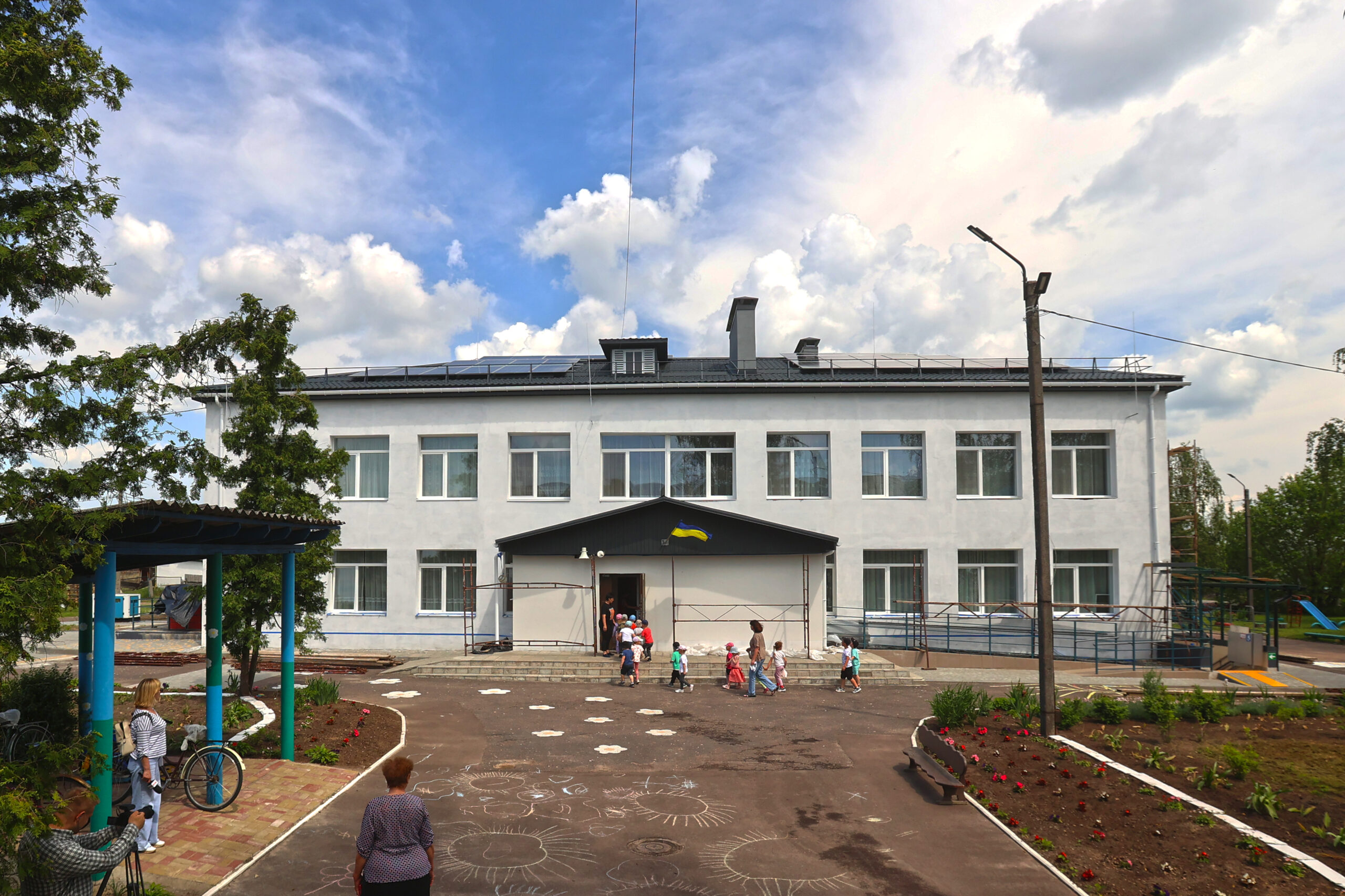
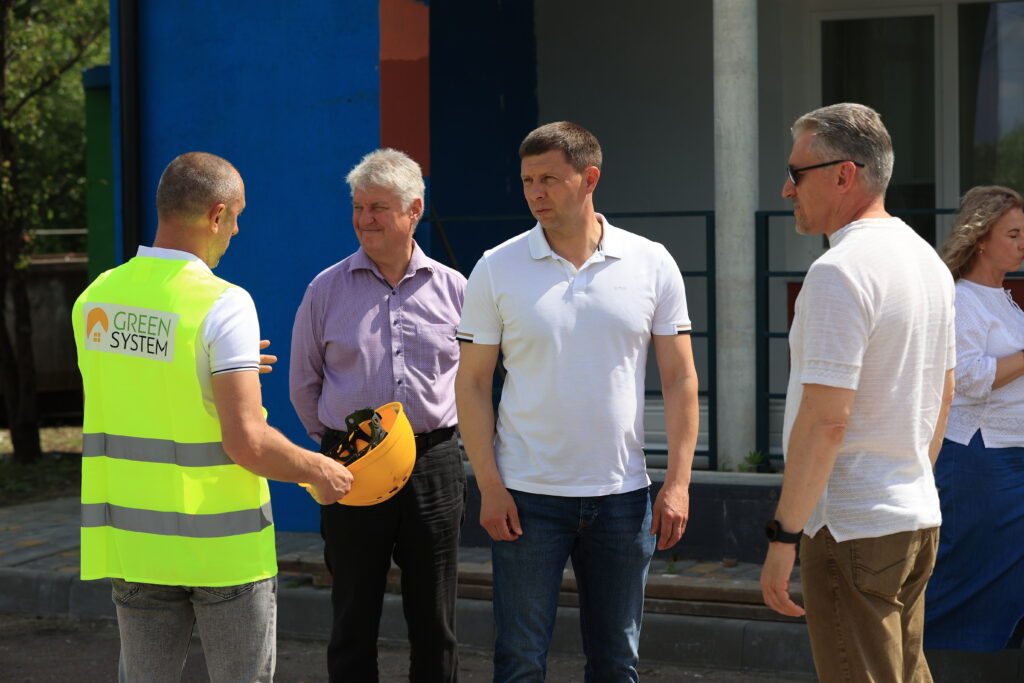
On 3 June 2025, UWEA Board Chairman Andriy Konechenkov took part in the opening of an off-grid solar power plant installed on the grounds of the “Ivasyk-Telesyk” preschool education institution in the village of Kozyntsi, Irpin territorial community.

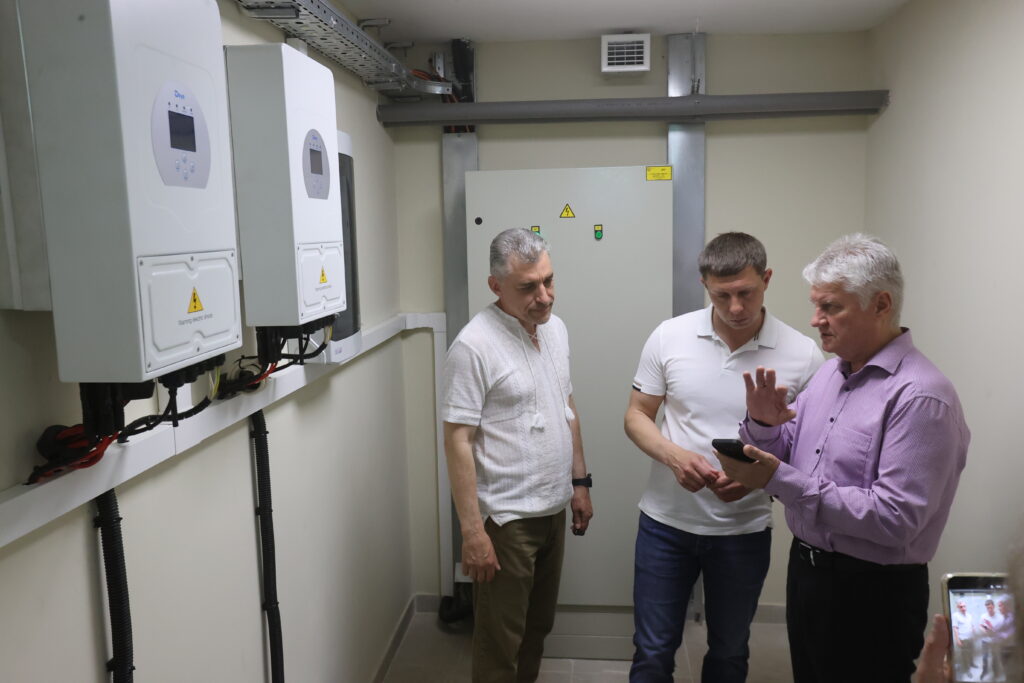
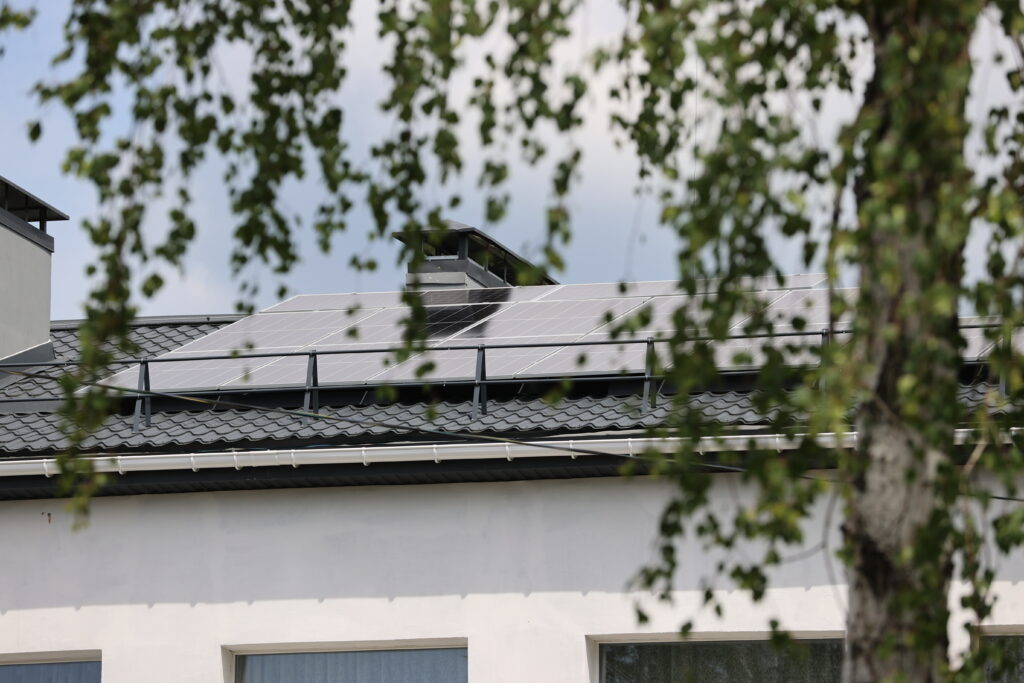
The capacity of the installed photovoltaic system is 16.5 kW. From now on, the facility is provided with an uninterrupted electricity supply, which will make it possible to maintain the educational process even in the event of emergency or scheduled outages. In addition, the introduction of the solar power plant will help to reduce the community budget’s spending on utilities.

The project was implemented within the framework of the international #Renewables4Ukraine initiative, launched by the World Wind Energy Association (WWEA) and the global platform Global100RE in partnership with the Ukrainian Wind Energy Association, with the financial support of the shareholders of the “Windpark Druiberg” wind farm, located in the German town of Dardesheim.

WWEA Secretary General Stefan Gsanger emphasised:

We are glad to once again support Ukrainian children by installing an off-grid renewable energy system on the roof of a kindergarten, this time in Kozyntsi. The wind farm of the German community in Dardesheim demonstrates a high level of practical solidarity with Ukrainian children who have suffered from Russian attacks. Thank you to all our partners who made this possible: the donors, as well as our Ukrainian partners!

This is already the eighth social infrastructure facility of the Irpin community where an off-grid solar power plant has been installed within the framework of the initiative. Earlier, similar systems were implemented in the “Dzhereltse”, “Pinocchio” and “Kazka” kindergartens, the Irpin Lyceum of Innovative Technologies, as well as three family medicine outpatient clinics.

“Today, the issue of energy security at the local level is becoming especially relevant. The introduction of off-grid systems at social infrastructure facilities is not only about an uninterrupted supply, but also about sustainability, economic efficiency and a demonstration of the potential of renewable energy for post-war recovery”, — noted Andriy Konechenkov, Chairman of the UWEA Board.

UWEA expresses its gratitude to all the partners and donors for their consistent support of the development of sustainable energy in Ukraine and for contributing to increasing the energy independence of communities in times of war.

Guarantees of Origin of Electricity Produced from Renewables as a New Tool for Achieving Ukraine’s Climate Neutrality

UWEA initiated a comprehensive study of the market for Guarantees of Origin of electricity from renewables (“GO”) in Ukraine. The SE “Ukrpromzovnishekspertyza” analysed the trends existing on the GO market in Europe and provided an assessment of the prospects for the development of this market in Ukraine in its Report “Guarantees of origin of electricity produced from renewable energy sources as a new tool for achieving Ukraine’s climate neutrality. Trends and prospects for the development of the GO commodity market in Ukraine, the impact on the national economy in the medium term”.

Here are the key provisions of the Report.

Despite the existing progress in building the GO market, in Ukraine there are a number of barriers to its full functioning, among which:

1. Non-compliance with EU standards: the mechanism for the circulation of guarantees of origin in Ukraine does not fully comply with EU standards, which complicates the potential export of “green” electricity to EU countries. In particular, the export of GOs from Ukraine is currently possible only under foreign trade agreements.

2. Low interest among potential GO buyers and a limited domestic market. Ukraine lacks incentives to increase buyers’ interest in purchasing GOs. The absence of benefits (for example, tax benefits) holds back the development of the GO market.

3. The absence of mechanisms to stimulate demand for GOs taking into account their environmental value. At present, GOs cannot replace eco-tax payments, and therefore there is insufficient economic justification for their existence.

4. The absence of the right of industrial enterprises to use Ukrainian GOs (generated or purchased) to confirm the origin of the electricity used in the production of goods for export (there is no toolkit for reducing the level of embedded emissions for the CBAM).

5. Insufficient awareness among consumers about GOs as a new tool for their real influence (contribution) on the process of the “green transition” of Ukraine’s economy and the protection of the environment in Ukraine.

At the same time, GOs can become an additional source of income for renewables producers, as well as for other electricity market participants that have the right to sell GOs (the Guaranteed Buyer, electricity supply companies). Growth in the volume of trading on the GO market will have a positive impact on reducing the payback periods of renewables projects, which, in turn, will contribute to the further development of the renewable energy sector. Providing incentives for the growth of demand for GOs will, among other things, make it possible to reduce the burden of the special obligations imposed to support renewables producers.

The authors of the Report see the need to introduce mechanisms to stimulate demand for GOs, in particular:

1) the introduction of stimulating state policy measures (for example, introducing emissions trading as is done in the EU, and/or providing separate tax benefits that take into account the environmental value of guarantees of origin, introducing mandatory disclosure of information about the share of consumed renewable energy in the production of goods, etc.);

2) the coordination and authorisation of the export and recognition of Ukrainian GOs on EU markets;

3) direct work with business from the point of view of corporate social and

environmental responsibility.

GOs can become an additional source of income for renewables producers, as well as for other electricity market participants that have the right to sell GOs (in particular, the Guaranteed Buyer and electricity supply companies). Growth in the volume of trading on the GO market will have a positive impact on reducing the payback periods of renewables projects, which, in turn, will contribute to the further development of the renewable energy sector.

In the absence of incentives, demand for GOs will remain low and will not exceed 20–30 million GO units per year. Solving the problems of the GO market will contribute to the development of renewables capacity in Ukraine. Accordingly, the structure of electricity production will change, and CO2 emissions will automatically decrease. That is, the carbon footprint in Ukrainian products will decrease in the long term.

According to the authors of the report, the growth of investment and the construction of new renewables capacity thanks to the full functioning of the GO market in Ukraine will have a positive impact on the main macroeconomic indicators:

  • Growth of GDP and gross output: According to the authors’ model calculations, Ukraine’s GDP will grow by 0.26% (UAH 20.9 billion in 2024 prices), and gross output by 0.3% (UAH 51.6 billion). The largest increase will be observed in the sectors of electrical equipment manufacturing and construction.
  • Job creation: The creation of 17,600 new jobs is expected, in particular 5,800 in industry. First and foremost, the new jobs will be provided to the workers of the thermal power plants that are currently destroyed.
  • Tax revenues: The growth of economic activity will provide an additional UAH 5.5 billion in tax revenues, in particular through VAT (+UAH 1.9 billion) and personal income tax (+UAH 1.5 billion). The export of surplus “green” energy will add a further UAH 32 billion to the budget, which in total will amount to UAH 37.5 billion.
  • Localisation of production: The GO market will contribute to the localisation of the production of renewables equipment in Ukraine, attracting European investors.

The development of the GO market in Ukraine is critically important for the restoration of the energy system destroyed by the war and for ensuring a “green” transition in line with global climate goals. An effectively functioning GO market will make it possible to stimulate demand for “green” energy, attract significant investment and achieve the growth and decarbonisation of the national economy.

Denmark, the Netherlands and Ukraine – a United Front for the Development of Wind Energy

On 9 April 2025, as part of Europe’s main wind energy event — WindEurope 2025 — the strategic session “Denmark, the Netherlands & Ukraine: A United Front for Wind Energy” took place, bringing together key representatives of the industry and investment communities from Denmark, the Netherlands and Ukraine. The event, organised with the support of WindEurope, was a continuation and the logical development of the dialogue between the national associations, aimed at strengthening Ukraine’s energy resilience, scaling up the use of wind energy and attracting foreign capital to the restoration of energy infrastructure.

Particular symbolism was given to the session by the fact that it took place the day after the official signing of the Memorandum of Understanding between UWEA and GreenPower Denmark — another strategic step in formalising the partnership between the Ukrainian and Danish wind energy associations. Prior to this, in November 2024, a similar Memorandum was signed with NedZero.

The session was moderated by Maryna Ilchuk, advisor at the international law firm CMS Cameron McKenna Nabarro Olswang — a UWEA member company.

The session participants discussed:

  • practical mechanisms for attracting financing into wind energy projects in Ukraine, in particular using the example of the project to build the Tyligulska wind farm;
  • the need to improve the regulatory environment;
  • the establishment of sustainable business partnerships;
  • the conditions for foreign technology companies to enter the Ukrainian market;
  • the role of the systemic integration of renewables, in particular the development of energy storage facilities.

The speakers at the session were: Bert van der Lingen, Vice-Chairman of NedZero (the Netherlands); Camilla Holbech, Vice-President for Renewable Energy, PtX and International Cooperation at GreenPower Denmark (Denmark); Peder Anker Larsen, Associate Director of the Export and Investment Fund of Denmark (EIFO); Kristen Ernbjerg, Vice-President and Head of Global Public Affairs at Vestas (Denmark); Wim Robbertsen, Managing Director of Business in Wind (the Netherlands).

During the dynamic discussion, the speakers shared stories of successful cases in their own markets and their experience of entering new jurisdictions, as well as analysing in detail the key risks and the potential of the Ukrainian wind energy market. The need for the following was emphasised:

  • clear market signals from the state;
  • ensuring the predictability of policies;
  • investor protection;
  • the development of risk-sharing mechanisms;
  • the creation of preconditions for the large-scale use of both new and second-hand wind turbines.

Separately, the participants emphasised the factor of solidarity — the moral as well as practical duty of European countries to support Ukraine not only for the sake of its recovery, but also for the sake of the common security, stability and sustainable energy future of the region. Cooperation with Ukrainian partners is now regarded not as a risk, but as an investment in a common tomorrow.

In her closing remarks, the moderator emphasised: “The energy transition is not only about producing ‘green’ electricity, but also about its efficient consumption. Ukraine is already demonstrating high demand today, and therefore decentralised electricity production is not a luxury, but a critical necessity. We must act without waiting for ideal conditions”.

UWEA sincerely thanks all the international partners, speakers and participants for their support, professionalism and readiness for real cooperation. Ahead lie joint projects, technical solutions and financial models that will help not only to restore, but also to significantly transform Ukraine’s energy system in the direction of decentralisation, resilience and integration into the European market.


UWEA and GreenPower Denmark Have Concluded a Strategic Memorandum of Understanding

On 8 April 2025, as part of the annual industry conference WindEurope, UWEA and GreenPower Denmark signed a Memorandum of Understanding aimed at launching a new phase of cooperation between Ukraine and Denmark in the field of wind energy. Subsequently, the parties had the opportunity to publicly announce the signing of the Memorandum at the Ministerial session, with which the WindEurope event is traditionally opened every year and in which the ministers of energy, climate and infrastructure of EU countries take part. The official announcement of the strengthening of bilateral cooperation between the parties took place in the presence of the Ambassador Extraordinary and Plenipotentiary of Ukraine to Denmark Andrii Yanevskyi and the CEO of WindEurope Giles Dickson.

The aim of the concluded cooperation is to create a strategic partnership between UWEA and GreenPower Denmark for the development of renewable energy in Ukraine, with a special emphasis on:

  • Offshore and onshore wind energy;
  • Increasing Ukraine’s energy security;
  • The integration of innovations, the attraction of investment and the strengthening of expertise.

Kristian Jensen, CEO of GreenPower Denmark, a signatory of the Memorandum: “Ukraine has set an extremely ambitious goal — to significantly increase the share of “green and energy-independent generation, in particular wind energy, by 2030. We have the necessary tools and knowledge to help achieve this goal. There is neither time to delay nor any reason to wait for the war to end. By strengthening cooperation right now, we provide Ukraine with the best starting position for a long-term “green” transition”.

In accordance with the provisions of the Memorandum, the parties will focus on such areas of cooperation as:

  • The exchange of experience and technical expertise;
  • Conducting training programmes and trainings for Ukrainian developers and engineers;
  • The organisation of visits to onshore and offshore wind farms in Denmark;
  • Support for policies and regulatory initiatives favourable to the development of the industry;
  • The creation of conditions for attracting foreign investment;
  • The development of the market for second-hand and refurbished wind turbines in Ukraine, etc.

Andriy Konechenkov, Chairman of the UWEA Board, a signatory of the Memorandum: This Memorandum is a symbol of our commitment to cooperation, innovation and a clean energy future. The war has caused serious damage to our energy system, but it has not broken our will. Danish experience, technologies and investment are capable of helping Ukraine in the development of both onshore and offshore wind energy. The support from GreenPower Denmark is a powerful signal: despite all the challenges, Ukraine is ready to continue moving forward”.

The Memorandum complements the intergovernmental Ukrainian-Danish Energy Partnership Programme (UDEPP), combining its strategic direction with practical implementation at the industry level.

It is also worth noting that on 7 April 2025, on the eve of the signing of the strategic document, an expert discussion on the “Ukraine – Denmark” wind energy partnership took place at the office of State of Green — Denmark’s national platform with more than 600 members, which unites business, government agencies, scientific institutions and expert organisations that jointly promote the global transition to a sustainable, low-carbon, resource-efficient society. The event was attended by representatives of GreenPower Denmark, the Danish Energy Agency, the Export and Investment Fund of Denmark (EIFO), as well as business players of the wind energy market from both countries, including, in particular, Vestas and DTEK Renewables, who shared their experience of cooperation within the framework of the Tyligulska wind farm project.

UWEA and GreenPower Denmark will act as conductors of transformation, combining national ambitions with leading European experience. UWEA extends its sincere gratitude to GreenPower Denmark and WindEurope for their comprehensive support, organisational assistance and constant solidarity with the Ukrainian wind energy sector. Thanks to the platform provided and the openness to cooperation, Ukraine’s voice rings out loudly, and our partners get the opportunity to learn more and more about the potential of Ukraine’s energy transformation.

UWEA Expands Its Scope of Activity to the Distributed Generation and Energy Storage Sector

On 25 March 2025, a meeting of the UWEA Board took place, following which a decision was made to introduce a number of amendments to the Association’s Statute. One of the key changes is the expansion of UWEA’s scope of activity to the distributed generation sector, in particular to energy storage facilities (systems).

This decision is driven by the dynamic development of the energy storage market in Ukraine and the active participation of UWEA member companies in implementing projects that include energy storage elements. In modern realities, such solutions are becoming an integral part of the new energy architecture — decentralised, sustainable and flexible.

The expansion of UWEA’s mandate will make it possible to:

  • provide professional support to participants in the energy storage segment;
  • represent their interests in dialogue with state bodies, the Regulator and international partners;
  • contribute to the formation of market conditions for the integration of energy storage into the overall power system;
  • attract investment and expertise for the development of decentralised generation.

“We see how rapidly Ukraine’s energy landscape is changing. Wind energy, as a key segment of renewable generation, is increasingly being integrated with energy storage solutions. This is not only a technological necessity, but also a strategic step to increase the country’s energy security. UWEA is adapting to the new challenges and is ready to professionally support the participants of this promising market”, – UWEA Board Chairman Andriy Konechenkov.

UWEA will continue to remain a platform for uniting the leading players of the market and for the development of sustainable energy in Ukraine.

Energy 2025: How Will the Market and the Role of Renewables Change? Outcomes of an Expert Discussion

On 20 March 2025, the UNIT CITY platform hosted the large-scale event “The integration of renewables into Ukraine’s energy system: challenges and opportunities”, organised by the UN Global Compact in Ukraine together with ExPro Consulting with the support of UK International Development and the Ukraine Energy Initiative. The event brought together leading industry experts, business representatives and state institutions to discuss the key challenges and prospects of Ukraine’s energy transformation.

The speakers of the event’s first panel, titled “How will energy change in 2025?, included, in particular, UWEA Board Chairman Andriy Konechenkov and representatives of some of the Association’s member companies, namely: the Deputy Director for Development of the Eco-Optima group of companies Yurii Fedak, senior partner of the law firm ALTELAW Olha Savchenko and the Head of Regulatory Affairs at DTEK Renewables Ihor Retivov.

During the panel discussion, the participants analysed the future changes in the field of Ukraine’s energy sector and its regulatory policy, discussed the key trends that will determine the industry’s development in 2025, and shared their vision regarding the integration of renewables into the country’s power system under wartime conditions.

Key conclusions of the discussion:

  • The development of renewables as a priority: Ukraine is adhering to a course of expanding the use of renewables, in particular wind energy, which is an important step towards the state’s energy independence.
  • Legislative changes and international influence: further improvement of the regulatory framework is expected, which will contribute to attracting investment into the national renewables sector and protecting it from the country’s risks.
  • The flexibility of the power system: for the effective integration of renewables in Ukraine, it is necessary to develop balancing mechanisms, including energy storage systems.
  • Challenges and risks: despite the positive dynamics, the speakers noted that market instability, financial barriers and technical constraints threaten to slow down the development of the sector and undermine investor confidence.

Andriy Konechenkov: At present, the industry needs the resolution of three of the most pressing and critical issues: the continuation of the application of the cash-basis method for charging VAT for electricity market participants; granting permission for the development of detailed territory plans taking into account planning schemes, and not necessarily on their basis (as is currently envisaged by Draft Law No. 12283); and the provision of tax benefits on the import of wind energy equipment, which all other energy sectors have received. The resolution of these and other existing issues on the market could be accelerated by the creation of a separate Agency for the Development of Renewables, which would be subordinate to the Cabinet of Ministers of Ukraine”.

Yurii Fedak: The basis of the new post-war energy system should be decentralised and highly manoeuvrable generation, which is why our company is moving precisely in this direction. This year, LLC “Eco-Optima” is beginning the construction of the Sokal wind farm, with a capacity of over 50 MW, and for next year the construction of another wind energy facility, with a capacity of as much as 100 MW, is planned. In addition, the company’s plans include the implementation of a 100 MW facility for the production of “green” hydrogen, with its subsequent transportation to Europe. I am convinced that the trend of the large-scale deployment of wind energy capacity in particular will continue in Ukraine, even despite certain difficulties, in particular with attracting financing for large projects, the lengthy procedure for developing and approving feasibility studies for connection, and the imperfection of certain requirements of the Transmission System Code”.

Ihor Retivov: The development of smart grid technology, the large-scale integration of renewables, the build-out of energy storage networks – all of this is already happening today, so Ukraine has no alternative other than to adapt to the relevant European and even global approaches. DTEK Renewables, understanding this, has singled out for itself three key areas of activity at present: increasing its own portfolio of renewables projects, attracting international financing for it and ensuring sustainable development”.

Olha Savchenko: If there were no problems in our industry, it would not be developing. However, it is important to direct efforts not only at solving the physically present problems, but, first and foremost, at the causes that lead to their occurrence. Here we are talking about an untimely response, or no response at all, to the first “negative” signals or reactions of the industry (which, accordingly, also leads to the spread of distrust among investors), the discrepancy between theoretical regulation and the practical context and state of affairs, as well as the setting of such strategic indicators and goals as are in fact impossible to achieve within the set timeframes given the existing market and regulatory conditions”.

Overall, the event became an important platform for open dialogue between representatives of the state, business and the expert community. The participants emphasised the need for a comprehensive approach to reforming the energy sector, which includes investment in technologies, the modernisation of infrastructure and legislative initiatives. UWEA extends its gratitude to the organisers for the opportunity to present a comprehensive vision of the players of Ukraine’s wind energy market regarding the further development of the industry and Ukraine’s energy system as a whole.

UWEA Has Released Its 2024 Wind Energy Market Review

As of the third year of the full-scale war with russia, Ukraine’s wind energy industry, although still slowly, continues to develop. Despite the fact that, compared to 2023, 2024 turned out to be rather modest in terms of newly added wind energy capacity, companies continue to implement new projects in Central and Western Ukraine, conduct negotiations on attracting international capital, and invest in a more sustainable and import-independent energy system for Ukraine. This is discussed, in particular, in the released Market Review “The Wind Energy Sector of Ukraine 2024” (the Review), which UWEA traditionally prepares based on the results of each calendar year. The UWEA Review is not just a statistical document, but a comprehensive analysis of the state of the industry over the past year, its main problems and the ways for its further development.

The Review for 2024 was prepared by UWEA in cooperation with the law firms Asters and Altelaw, members of UWEA, and structurally consists of sections devoted to the analysis of: key wind energy trends in Europe and the world; the structure of Ukraine’s energy balance; the achievements and challenges of the Ukrainian wind energy sector; the industry’s legislative changes that were adopted in 2024 and are expected to be adopted in the coming years, as well as UWEA’s annual activity. Considerable attention in the Review is paid to the implemented and announced renewables support mechanisms in Ukraine. Also, the Review contains an analysis of the current legal mechanisms of interaction between developers and investors and describes the essence of the commercial risk guarantee fund, the creation of which was initiated by UWEA last year. A special feature of the Review for 2024 is the analysis of a new segment of Ukraine’s wind energy market, namely projects with second-hand wind installations.

The Review also collects separate thematic articles, specially provided to UWEA by the Ministry of Energy of Ukraine, the SE “Guaranteed Buyer”, the Institute of General Energy of the National Academy of Sciences of Ukraine, as well as such member companies of the Association as the MC “Wind Parks of Ukraine”, LLC “Friendly Windtechnology”, DTEK Renewables, Notus Energy and Elementum Energy.

Some conclusions from the Review:

1. A course towards decentralisation. Ukraine continues the active transformation of its energy system. The main emphasis is placed on distributed generation, which allows regions to reduce their dependence on centralised capacities and increase energy security. The key strategic documents on this issue are the National Energy and Climate Plan and the National Action Plan for Renewable Energy for the period up to 2030, as well as the Strategy for the Development of Distributed Generation for the period up to 2035. The national goal is to achieve a 27% share of renewables in gross final energy consumption by 2030, which requires increasing the national wind energy capacity by at least 4 GW.

2. The current state of the onshore wind energy market. In 2024, 20.6 MW of new wind energy capacity was added to Ukraine’s overall power system, and the total capacity of the industry reached 1,921.4 MW (including wind farms located in the temporarily occupied territories, but excluding the AR of Crimea). Also, the market for second-hand wind installations began to develop in the country, the total installed capacity of which reached 32 MW. However, despite the modest growth rates, 2024 became a year of preparation for the implementation of new large wind farms, the construction of which is expected in 2025–2026.

3. Key market challenges. Still relevant for the market remain

How Wind Energy Can Become a Key Driver of a New Industrial Revolution in the EU

On 26 February 2025, the European Commission presented a revolutionary and long-awaited document – the Clean Industrial Deal – a new EU strategy to strengthen the competitiveness of the European economy. It focuses on electrification and prioritises the increase of “green” production capacity.

Having felt its vulnerability to price fluctuations on the global energy resources market, as well as suffering from fierce global competition, European industry felt that it needed support. Therefore, the presented Clean Industrial Deal (the Deal) provides for concrete measures to turn the decarbonisation policy into a driving force for its growth and development. The measures concern, in particular, lowering energy prices, creating quality jobs and forming favourable conditions for doing business.

Thus, the objective of the Deal is to strengthen every stage of the production process, with particular attention to:

  • energy-intensive sectors of the economy, such as the production of steel, metals and chemical products,
  • the clean energy technology sector, which possesses a significant level of competitiveness and is an integral aspect of ensuring industrial transformation and decarbonisation, as well as
  • the development of the circular economy, the aim of which is to reduce production waste and extend the life cycle of materials through the active implementation of best practices in recycling, reuse and sustainable production.

The main elements of the Deal

  • Ensuring the availability of energy. That is, the accelerated deployment of clean energy and electrification, the completion of the integration of the internal energy market through physical cross-border interconnections, the more efficient use of energy and the reduction of dependence on fossil fuel imports. The implementation of this element is also regulated by a separate Action Plan for Affordable Energy.
  • Stimulating demand for clean products. That is, the introduction and observance of sustainability and resilience criteria in the production of goods, as well as support for the “made in Europe” label during public and private procurement. For this purpose, in particular, the European Commission plans to revise the Public Procurement Framework in 2026.
  • Financing the clean transition. That is, the adoption of new rules on state support and subsidies for renewables, the decarbonisation of industry and new production capacity; the strengthening of the Innovation Fund and the creation of an Industrial Decarbonisation Bank, which will be filled by the Fund, by revenues from the emissions trading system and by an updated InvestEU programme; the stimulation of scientific research and innovation through Horizon Europe, etc. All of this in order to mobilise more than €100 billion in support of clean production in the EU.
  • Increasing access to and ensuring a more sustainable use of resources. That is, the creation of a mechanism for the joint ordering of critical materials in order to improve supply conditions; the establishment of an EU Critical Raw Materials Centre, responsible for joint procurement; the adoption of a Circular Economy Act in 2026, which envisages the use in the EU of at least 24% of production materials on circularity terms by 2030.

The role of wind energy for the Deal

Wind energy is Europe’s own (local), competitive and scalable resource. It is precisely this energy sector that offers unique opportunities to implement all aspects of the Deal and to satisfy the growing demand for electricity that is forecast up to 2040. For example, according to WindEurope data, for the chemical industry this demand will grow from 195 TWh in 2030 to 290 TWh in 2040, for the cement industry – from 32 TWh in 2030 to 76 TWh in 2040, and for the aluminium industry – from 70 TWh to 100 TWh respectively. Therefore, given the prospect of scaling and a rather high capacity utilisation factor – 1 GW of wind energy produces twice as much electricity as the equivalent capacity of solar – it is precisely wind energy that is capable of satisfying this demand. “If in the 2030s the EU maintains a stable level of wind generation deployment – 30 GW annually (of which 20 GW is onshore and 10 GW offshore)”, says WindEurope, – “then electricity production from wind will increase almost fourfold compared to today’s level, reaching 1,830 TWh by 2040”.

Global partnership

However, to implement the Deal, the EU needs reliable global partners. Therefore, in addition to expanding trade agreements, the European Commission also plans to launch Clean Trade and Investment Partnerships to diversify supply chains, to use trade defence mechanisms for the sake of economic security and to strengthen the Carbon Border Adjustment Mechanism (CBAM) to ensure fair pricing of CO₂ emissions in the production of energy-intensive products.

What does this mean for Ukraine?

The Clean Industrial Deal is an opportunity for Ukraine to integrate already into the new economic model of the EU, which offers more security and predictability. Ukraine has a unique chance to become an important partner in providing the EU with critical raw materials, “green” energy and clean technologies. Thanks to its resources, geographical location and industrial potential, Ukraine can join the European industrial transition and, accordingly, receive new investment. However, for this it is necessary to: accelerate the decarbonisation of industry by developing renewables; build up modern processing capacity; promote the development of national production of “green” technologies, in particular wind turbines and their components; as well as actively cooperate with the EU in the field of critical materials.

The Clean Industrial Deal: https://commission.europa.eu/topics/eu-competitiveness/clean-industrial-deal_en

UWEA Held the Webinar “Foundations for Wind Turbines: Standards, Control and Innovations”

On 21 February 2025, the first webinar in the series of professional online events planned by UWEA for this year took place. The event was dedicated to the quality of foundations for wind turbines – a key aspect of building modern wind energy facilities. Given the complex geological conditions and the diversity of soils in Ukraine, the choice of optimal solutions for foundation structures is critical for developers, construction companies and wind farm operators. The speakers of the webinar were representatives of such UWEA member companies as BUREAU VERITAS UKRAINE, LLC “Sika Ukraine” and MC-Bauchemie Ukraine.

During the event, the invited experts agreed that the quality of foundations directly affects the stability, durability and safe operation of wind energy installations. Insufficient control over the quality of foundations can lead to the uneven settlement of structures, premature wear or even the decommissioning of turbines, noted Andriy Konechenkov, Chairman of the UWEA Board and the event’s moderator, opening the webinar.

In particular, the webinar discussed the following issues: the quality of foundations for wind turbines and the relevant international standards, independent technical inspection and construction control, the planning of technological sites and access roads, and the application of innovative materials to increase the stability of foundations.

Thus, Daria Bezruchenko, product manager for inspections and certification at BUREAU VERITAS UKRAINE, as part of her presentation dedicated to the role of independent technical inspection in wind energy projects, also spoke about the main stages of the process of planning and building foundations, technological sites and roads for wind turbines. “Independent technical inspection plays an important role in reducing the risks associated with material defects or design errors. This ensures not only the preservation of the budget, but also increases the overall safety and efficiency of wind energy projects. BUREAU VERITAS UKRAINE is a market leader in the services of testing, technical inspection and technical audits of foundation structures”, noted Ms Bezruchenko.

Kostiantyn Horbachov, head of the wind energy division, and Oleksii Huniak, product engineer in the “Concrete” department, who represent LLC “Sika Ukraine”, in turn, spoke about the various options for waterproofing the underground part of a foundation and solutions for the precise grouting of equipment, including those that can be applied even at low temperatures and in severe weather conditions. According to the representatives, LLC “Sika Ukraine” is able to provide the full range of available solutions for wind turbines: surface protection, bonding, joint sealing, injection, high-efficiency concrete admixtures, grouts, repair, waterproofing, etc.

Finally, Artem Zakharov, project manager, and Yevheniia Tykholaz, head of the laboratory in the town of Berezan of the company MC-Bauchemie Ukraine, presented the capabilities of their concrete laboratory, where cement and aggregates are tested, the composition of concrete and the consistency of the concrete mix are selected, studies of the heat release of concrete are carried out, etc. They also presented a wide range of concrete admixtures produced by MC-Bauchemie Ukraine.

The combination of modern technologies with strict control at all stages of construction – from design to operation – is the key to the reliability of foundations. In particular, the general conclusions of the webinar are as follows:

  • Independent technical inspection is an effective quality-control mechanism that makes it possible to avoid critical errors in the construction of foundations.
  • Modern concrete technologies and specialised admixtures increase the strength of structures and ensure their durability even in conditions of complex climatic influences.
  • The planning of technological sites and access roads should be integrated into the overall concept of wind turbine construction to increase the efficiency of the work.
  • The introduction of innovative materials makes it possible not only to strengthen structures, but also to reduce construction times without loss of quality.

The webinar confirmed the need for further discussions and research in this field, and UWEA, in turn, will continue to organise a series of online events aimed at raising the standards of construction of wind energy facilities in Ukraine.

Video recording of the webinar:

An Off-Grid Solar Power Plant for the “Kazka” Kindergarten in Borodianka

On 17 February 2025, UWEA Board Chairman Andriy Konechenkov visited the town of Borodianka in the Kyiv region to open an off-grid solar power plant with a capacity of 15 kW, installed on the grounds of the “Kazka” preschool educational institution.

The solar system was installed within the framework of the #Renewables4Ukraine initiative, launched by the World Wind Energy Association (WWEA) and the global platform Global100RE in partnership with UWEA. The implementation of the project was financed by the Finnish non-profit organisation EKOenergy, and support was provided by the charitable organisation “Vidvazhnykh”. This is already the second successfully implemented initiative in Borodianka – a town that suffered significant destruction as a result of the full-scale invasion of Russian troops in 2022.

All the installation work was carried out by specialists of the company LLC “Zelena Systema”. According to Andriy Konechenkov, this solar station became the largest installed within the framework of the #Renewables4Ukraine initiative in Irpin, Borodianka and other towns: “This is a real alternative to a diesel generator, which in such a case would be the only source of backup power. A generator works noisily, burns fuel and requires constant maintenance. A solar station, on the other hand, operates silently, does not require additional spending on fuel and is an environmentally clean solution. We will continue to work so that even more social facilities in the affected regions gain access to renewable energy”.

Stefan Gsanger, Secretary General of the WWEA and Vice-Chairman of Global100RE: “In the light of recent dramatic international events, it is more important than ever that the renewable energy community demonstrates its practical solidarity with the people in Ukraine, in particular with children, who are the most vulnerable part of our society”.

The director of the kindergarten, Nataliia Herasymenko, emphasised that the new solar system will make it possible to provide light not only to the facility, but also to the shelter that is used during air raids: “Previously, when an air raid alert was announced in the town, we would go down to the bomb shelter, often in complete darkness, lighting our way with flashlights. This was very inconvenient, especially for small children. Now, thanks to this project, we will have light and the ventilation will work even in the event of a power outage. This is a huge step towards the safety of our pupils”.

UWEA extends its sincere gratitude to all the partners and benefactors who made this project possible. Through joint efforts, we not only provide critically important facilities with electricity, but also create the foundation for a sustainable energy future for Ukraine.